What is the difference between a vacuum cup and a suction cup?
A vacuum cup and a suction cup both stick to surfaces using low pressure, but they’re designed for different levels of holding power, surface conditions, and use cases. The biggest difference is how the seal is created and maintained.
How a suction cup works
A suction cup is typically a flexible rubber or silicone cup that you press onto a smooth, non-porous surface (like glass, tile, or finished plastic). Pressing it pushes air out from under the cup; when you release, the cup tries to return to its original shape, creating lower pressure under the cup than the surrounding air. Atmospheric pressure then helps hold it in place.
Suction cups usually perform best on clean, flat, glossy surfaces. If the surface is textured, dusty, oily, or slightly porous, the seal breaks more easily and the hold weakens.
How a vacuum cup works
A vacuum cup is a more industrial-style approach used in material handling, robotics, and lifting. It may look similar to a suction cup, but it’s often paired with a vacuum source (pump, venturi, or vacuum line) that actively removes air to create and maintain a stronger vacuum. Because the vacuum is assisted, it can deliver more consistent holding force and can compensate better for minor leaks.
Many vacuum cup systems also include fittings, valves, gauges, and filters—features that a simple suction cup doesn’t need.
Which one is better for a stuck-down toy base?
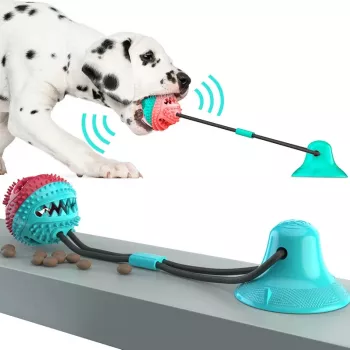
For everyday consumer products like a suction-cup dog toy base, it’s usually a traditional suction cup. The best results come from pairing it with the right surface prep (clean, smooth, and slightly damp if the manufacturer recommends). For practical tips on getting a suction base to grip during play, see this guide to suction cup dog toys for large dogs.
FAQ
What surfaces work best for suction cups?
Non-porous, smooth surfaces like glass, polished tile, acrylic, and finished metal usually provide the strongest seal. Textured or porous materials (unfinished wood, concrete) tend to leak air and reduce holding power.
Recommended for you











Leave a comment