Dog Car Seat Cover: Cleaner Seats, Safer Rides, Happier Dogs
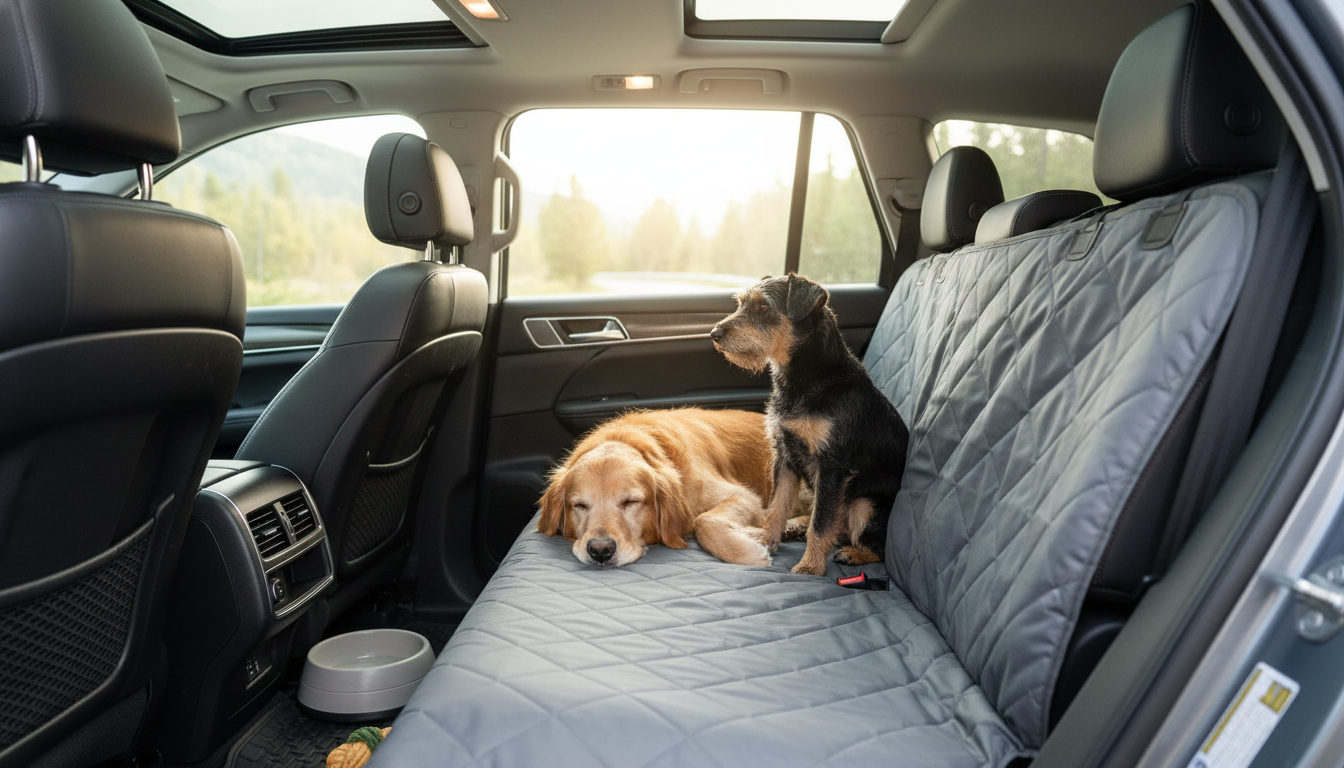
A good car seat cover for dogs keeps mud, hair, and claw marks off upholstery while helping dogs feel more secure on every trip. The right cover also makes it easier to keep your cabin guest-ready—whether you’re doing quick errands, heading to the vet, or taking weekend drives with a damp, sandy copilot. For more guidance, see Pet Travel Seat Pilot Study | Center for Pet Safety.
- Protects seats from shedding, drool, dirt, and wet paws after walks or beach days.
- Helps reduce slipping on leather or fabric so dogs can settle more easily.
- Creates a defined “dog zone” that can discourage pacing and climbing into the front.
- Adds a barrier that simplifies cleanup after treats, toys, or accidents.
- Preserves resale value by limiting scratches and embedded hair.
Common Styles and Where They Work Best
Seat covers aren’t one-size-fits-all. The best style depends on your vehicle layout, your dog’s size and habits, and whether humans regularly share the back seat. For further reading, see Traveling With Pets? Follow These Expert Dos and Don’ts … – ASPCA.
- Bench cover: straightforward protection for the back seat; best for dogs that ride sitting or lying down.
- Hammock cover: connects to front and back headrests to reduce gaps; helps keep dogs from tumbling into the footwell.
- Cargo liner: covers the trunk area in SUVs/wagons; ideal for large dogs and muddy gear.
- Bucket/solo-seat cover: for dogs riding in a single seat; useful when passengers need the rest of the back seat.
- Door panel flaps: extra coverage for scratching at windows and muddy paws on door cards.
Quick comparison of seat-cover styles
| Style |
Best for |
Main advantage |
Watch for |
| Bench |
Calm riders, shared back seat |
Simple, lightweight coverage |
Less protection for footwell and seatback |
| Hammock |
Active dogs, highway trips |
Reduces gap/footwell falls |
May limit back-seat passenger legroom |
| Cargo liner |
SUVs, larger breeds |
Big area coverage, easy hose-off |
Fit around tie-downs and cargo hooks |
| Bucket/solo seat |
One-seat setup |
Keeps the rest of the cabin open |
Needs secure anchoring to prevent shifting |
Materials and Build Details That Matter
Two covers can look similar online and perform very differently in real life. These details tend to separate “good for a month” from “good for the long haul.”
- Water resistance: look for coatings or laminated layers that block moisture from reaching upholstery (especially after rain, lake days, or spilled water bowls).
- Durable top layer: tightly woven fabrics resist snagging better than loose weaves, which can catch nails.
- Non-slip backing: helps prevent sliding during braking and turns, reducing anxiety for dogs who brace themselves.
- Stitching and seams: reinforced seams hold up to jumping in/out and frequent washing.
- Padding: adds comfort on long rides and can reduce pressure points for older dogs.
- Hardware: strong straps, buckles, and anchor tubes keep the cover from bunching up where paws dig in.
Fit and Compatibility Checklist
A seat cover that fits “almost” right often ends up shifting, exposing seat edges, and getting tugged loose. A quick compatibility check before you buy saves frustration later.
- Measure back-seat width and seat depth: compare your measurements to product dimensions, not just vehicle make/model notes.
- Confirm headrest availability: hammock/bench styles typically need adjustable headrests for straps to cinch down.
- Check seatbelt access: look for covered or reinforced openings so buckles stay usable without tearing fabric.
- Consider car-seat features: child-seat anchors (LATCH/ISOFIX), fold-down armrests, and 60/40 split seats may require dedicated cutouts or split panels.
- For trucks or compact cars: prioritize secure anchors and anti-slide backing to prevent shifting in tighter cabins.
- If passengers ride along: choose a design that allows partial folding or a split configuration so a person can sit comfortably beside your dog.
Safety Notes for Traveling With Dogs
A seat cover helps with mess and traction, but safety is a separate job. For guidance, see travel safety tips from the American Veterinary Medical Association (AVMA) and the CDC.
Care, Cleaning, and Odor Control
Featured Option
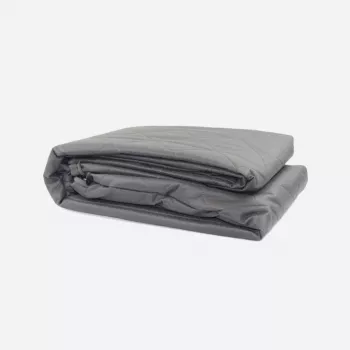
Dog Car Seat Cover is a practical choice for everyday protection against hair, dirt, and wet paws. It’s designed to help keep the back seat cleaner with a removable barrier that’s easier to maintain than upholstery—useful for regular commutes, vet trips, and weekend adventures.
More In-Stock Picks to Round Out Road Trips
FAQ
Can a dog car seat cover go in the washing machine?
Many can, but check the care label first. If it’s machine-washable, use cold water on a gentle cycle, skip bleach, and air-dry to help protect waterproof layers and non-slip backing.
Will a seat cover block access to seatbelts or child-seat anchors?
Some covers include seatbelt openings or Velcro flaps, but compatibility varies by vehicle. Confirm where your buckles and LATCH/ISOFIX anchors sit, and avoid forcing buckles to live under thick padding that makes them hard to click.
Do seat covers keep dogs safe during a crash?
No—seat covers mainly protect upholstery and improve traction. For crash safety, use a crash-tested harness or a secured travel crate, and never attach a tether to a collar.
Recommended for you








Leave a comment