How expensive are stepping stones?
Stepping stones can be inexpensive or surprisingly pricey, depending on what “stepping stones” means for your space: a simple garden path, a decorative patio accent, or an indoor/outdoor kids’ balance set. In most cases, the biggest cost drivers are material, thickness, finish, and whether you’re buying individual pieces or a coordinated set.
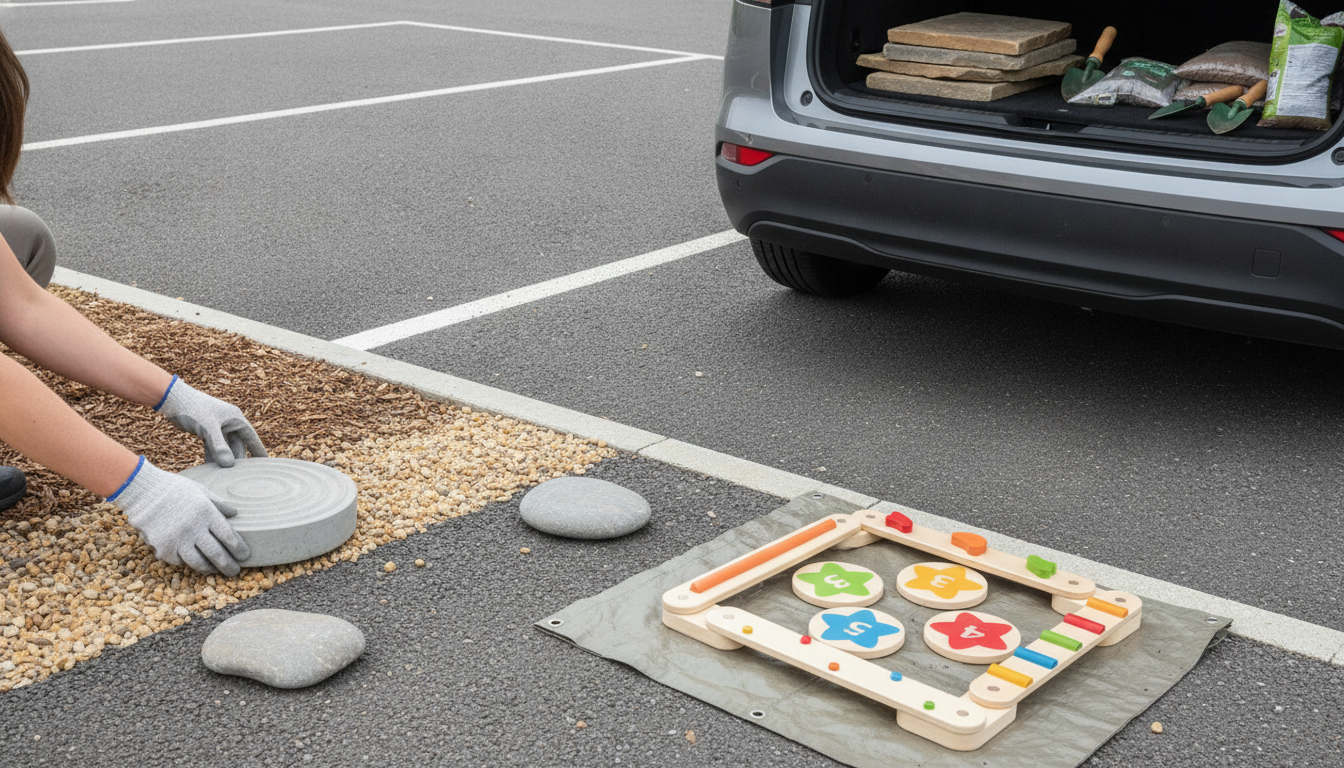
For basic outdoor landscaping, budget-friendly concrete stepping stones often start around $5–$15 per stone for small to medium sizes. As you move into larger, thicker, or more decorative options—stamped patterns, natural textures, or specialty shapes—prices commonly climb to $20–$60 each. Natural stone (like slate, bluestone, or flagstone-style pieces) is usually higher due to quarrying and weight, often landing in the $30–$100+ per stone range depending on size and style.
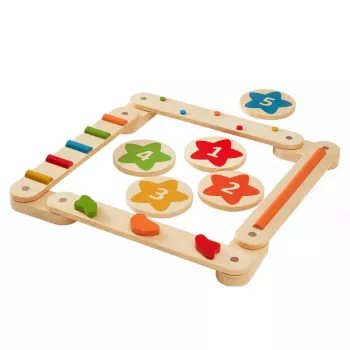
For kids’ balance “stepping stones” (sometimes sold as sensory or gross-motor play equipment), costs are typically set-based. A starter set may run roughly $30–$80, while larger sets or sturdier, more textured, higher-weight-capacity options can reach $100–$250+. These sets often include non-slip bottoms, stackable designs, and varied heights—all features that can raise the price but also improve stability and play value.
To estimate your total, consider how many you need and the surface they’ll sit on. For a garden path, spacing and stone size can quickly multiply the budget; for kids, the number of pieces impacts how many layouts and obstacle courses you can build. If you’re comparing toddler balance sets specifically, the guide at https://ciceras.com/guide-6-piece-balance-beam-stepping-stones-toddler-play-guide/ breaks down what comes in a typical set and how it’s used, which helps connect price to real-world value.
For Stepping Stone Costs: Concrete, Stone, and Kids’ Sets, the best answer depends on fit, material, care instructions, and how the product will be used day to day.
FAQ
What materials are stepping stones made from?
Common options include poured concrete, natural stone (like slate or bluestone), and plastic or rubberized materials for kids’ balance sets. Each material changes the look, durability, traction, and overall price.
Recommended for you









Leave a comment