Wood Therapy Massage Tool: How It Works, Benefits, and How to Use It Safely at Home
Wood therapy tools are hand-held, contoured wooden instruments used to apply targeted pressure and rolling strokes across muscles and soft tissue. When used correctly, they can support relaxation, post-workout recovery, and the look of smoother skin by encouraging circulation and fluid movement. This guide explains what to expect, how to use a wood therapy massage tool on different body areas, and how to build a simple routine while avoiding common mistakes.
What a Wood Therapy Tool Is and What It’s Used For
A wood therapy tool is a rigid wooden massage instrument designed for rolling, kneading, and gliding over soft tissue with consistent pressure. The goal is controlled, repeatable strokes that feel firm but not aggressive.
- Common goals: easing muscle tightness, promoting relaxation, supporting mobility work, and complementing body contour massage routines.
- Better glide: most people pair the tool with body oil or lotion to reduce friction and help maintain even pressure.
- Technique over force: steady strokes and consistency typically feel better (and look better on the skin) than pressing as hard as possible.
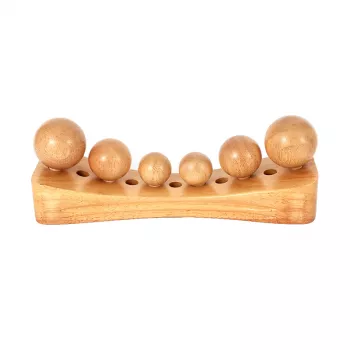
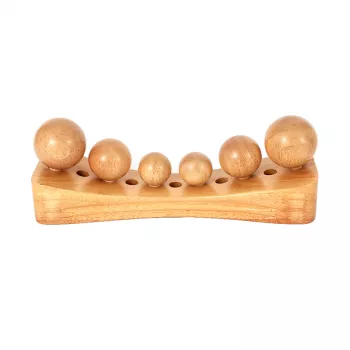
If you’re looking for a simple at-home option, the Wood Therapy Massage Tool is designed for guided rolling and targeted pressure work.
Potential Benefits and What the Evidence Can (and Can’t) Promise
Self-massage tools can be a helpful part of a wellness routine, but it’s important to keep expectations realistic. Massage may support comfort and recovery, yet it isn’t a medical treatment and results vary widely by person.
- Temporary relief of “tight” feeling: rhythmic pressure can warm tissue and increase local circulation, which may reduce the sensation of stiffness for a period of time.
- Recovery support: like foam rolling and other self-massage methods, wood therapy can help you relax areas that feel overworked after training.
- Short-term smoothing effect: some people notice a temporarily smoother-looking surface due to fluid movement and reduced puffiness; changes aren’t permanent.
- Know when to stop: if you notice sharp pain, numbness, unusual swelling, or bruising, reduce pressure and frequency or discontinue use.
For general massage safety and expectations, see the NCCIH overview of massage therapy. For background on lymphatic-style techniques, the Cleveland Clinic guide to lymphatic drainage massage is a helpful reference.
1) Prep the skin and tissue
Apply a small amount of body oil or lotion to reduce drag, then warm the area with light strokes for 30–60 seconds. Dry rolling increases friction and can irritate skin faster than you expect.
2) Choose the right pressure
Start light-to-moderate. The sensation should be “intense but tolerable,” never sharp, burning, or numb. If you can’t relax your breath, it’s usually too much pressure.
3) Use simple stroke patterns
Use long, slow passes in the direction of nearby lymph node regions (for example, toward the groin for thighs and toward the armpit for arms). Move slowly enough that you can keep the tool flat and controlled rather than skipping over the skin.
4) Keep timing reasonable
Five to ten minutes per area is usually enough. When in doubt, shorten the session and focus on consistency rather than trying to “fix” everything in one day.
5) Finish and reset
End with gentle strokes, drink water afterward, and consider light movement (like a short walk) to help you feel less stiff.
Simple Routine by Area
| Area |
Technique |
Time |
Notes |
| Thighs & hips |
Long upward rolls + small kneading passes on tight spots |
8–12 min |
Avoid excessive pressure around the inner thigh; reduce force if bruising appears. |
| Glutes |
Slow rolling in multiple directions |
5–8 min |
Work gradually; pressure can feel strong here. |
| Arms |
Light rolling toward the armpit |
3–5 min |
Keep pressure lighter near the inner arm. |
| Calves |
Upward strokes toward the back of the knee |
3–6 min |
Avoid direct pressure on varicose veins or tender swelling. |
| Abdomen |
Very light, slow strokes |
2–4 min |
Skip if sensitive, pregnant, or if it causes discomfort. |
Best Practices: Frequency, Pressure, and Product Pairings
If your goal includes the look of smoother skin texture, it helps to keep expectations realistic. The Mayo Clinic overview of cellulite explains why results can vary and why changes from topical or massage-based approaches are often temporary.
Safety and When to Avoid Use
Care, Cleaning, and Storage
A Simple Way to Get Started at Home
To make sessions easier to stick with, set up a comfortable routine: soft lighting can help you slow down, and having your tools within reach removes friction from the habit. If you’re building a calmer at-home space, the Handmade Wabi Sabi Rattan Pendant Light can warm up a room, and the Hair Dryer Stand with Vertical Storage Rack keeps post-shower essentials organized so your massage oil and towel aren’t always getting misplaced.
FAQ
How often should a wood therapy tool be used?
For beginners, 3–5 sessions per week with shorter time per area is a solid starting point. Adjust based on how you feel the next day—if soreness lingers beyond 24–48 hours or bruising shows up, reduce pressure and space sessions out.
Can a wood therapy massage tool help with the appearance of cellulite?
Some people notice a temporary smoothing effect from increased circulation and fluid movement, but results vary and aren’t permanent. Consistency, hydration, and overall lifestyle factors often influence what you see.
Is bruising normal with wood therapy?
Bruising usually means the pressure is too high or sessions are too frequent, especially if you’re new to the tool. Use more glide product, lighten pressure, and give the area more recovery time; avoid use if you have clotting risks or take anticoagulants unless a clinician has cleared it.
Recommended for you








Leave a comment