Cartoon Silicone Baby Placemat: A Cleaner, Happier Spot for Meals and Mini Messes
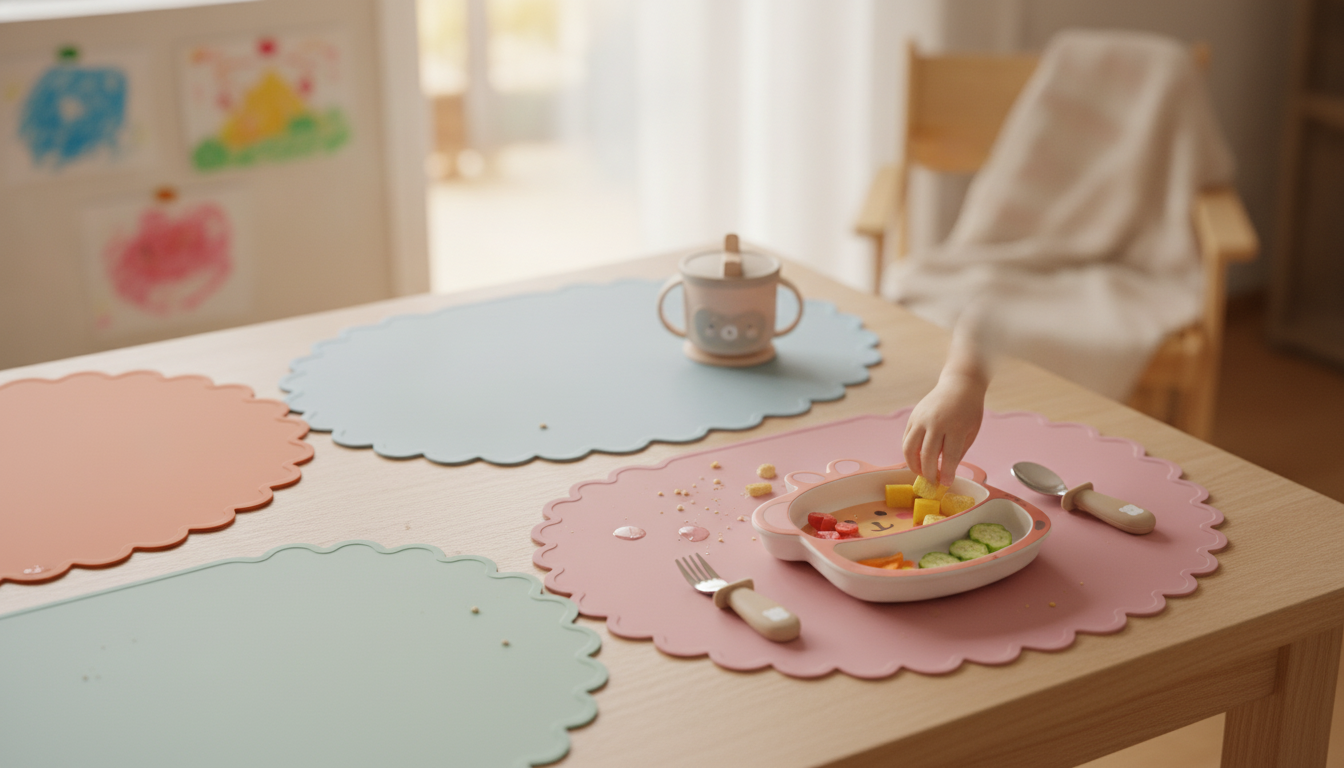
Mealtimes with little ones can be messy, fast, and unpredictable. A waterproof silicone placemat helps keep food, spills, and sticky fingerprints off the table while giving kids a cheerful spot to eat, snack, or do simple crafts. This cartoon-style mat is designed to wipe clean quickly and pack easily for everyday use at home or on the go. For more guidance, see The Water Cycle – A place mat for kids.
If you’re setting up a kid-friendly eating routine, a dedicated placemat can also reduce the “everything is a plate” phase—helping toddlers understand where food stays, where cups go, and where hands can rest. For further reading, see ezpz: Expert-Designed Baby and Toddler Feeding Products.
What Makes a Silicone Placemat Helpful for Kids
- Creates a defined eating space that helps contain crumbs, drips, and small spills.
- Waterproof surface helps protect tables from liquids, sauces, and staining foods.
- Flexible material can be rolled or folded for travel, restaurant meals, or daycare bags.
- Easy wipe-down supports faster cleanup between meals and snacks.
Unlike fabric mats that can soak up liquids and require frequent laundering, silicone is built for quick resets—especially useful when breakfast turns into snack time and snack time turns into “one more yogurt pouch.”
Cartoon Design That Encourages Better Table Habits
- Playful cartoon styling can make sitting at the table feel more inviting for toddlers and preschoolers.
- A consistent “placemat spot” helps kids learn where plates, cups, and utensils go.
- Bright visuals can also double as a simple distraction while food is cooling or being served.
- Works beyond meals for low-mess activities like coloring, play dough, or sorting snacks.
For some kids, a familiar placemat becomes part of the routine—like a visual cue that it’s time to sit, eat, and try new bites. It’s a small support tool that can make day-to-day meals feel less chaotic.
Waterproof, Wipe-Clean Surface for Everyday Messes
- Wipes clean with a damp cloth or sponge for most everyday spills and smears.
- For oily foods or dried-on residue, wash with mild dish soap and warm water.
- Let the mat dry fully before stacking or rolling to help reduce lingering odors.
- Avoid harsh abrasives that can dull the surface over time.
For safety and hygiene basics, it’s smart to treat any food-contact surface like a dish: clean after use and let it dry completely. For additional background on food-contact materials, reference the U.S. Food & Drug Administration (FDA) guidance on food contact substances. For general feeding safety reminders as babies transition to solids, the American Academy of Pediatrics resource on starting solid foods is a helpful overview.
Quick Specs and Everyday Use Checklist
- Use on clean, dry surfaces for best grip and easier cleanup.
- Pair with toddler plates and cups that are stable and sized for small hands.
- Keep one at home and one in the diaper bag for consistent routines.
- If used for crafts, wipe down promptly after paint or glue to prevent residue.
Placemat Fit Guide for Common Situations
| Where it’s used |
Typical mess level |
Helpful setup tips |
Cleanup method |
| Kitchen table |
High |
Center the mat and place plate/cup within the design area |
Wipe, then rinse if needed |
| High chair tray |
High |
Remove large crumbs first; place mat flat with minimal wrinkles |
Wash with soap and water |
| Restaurant table |
Medium |
Wipe the table first; unroll mat and smooth corners |
Wipe clean and roll for the bag |
| Craft time |
Medium–High |
Use as a protective layer under crayons, dough, or snacks |
Wipe quickly; wash if sticky |
Care, Storage, and Longevity Tips
- Clean soon after use to prevent staining from strongly colored foods (tomato sauces, berries, curry).
- Store flat when possible; if rolled, avoid tight rolls that can cause curling.
- Keep away from direct high heat sources (hot pans, open flames) to protect the material.
- If a mild silicone odor appears, wash and air-dry; avoid fragranced cleaners that can cling.
A practical routine is a quick wipe right after the meal, then a deeper wash when you’re already doing dishes. That balance keeps cleanup realistic while maintaining a surface that feels fresh day after day.
Safety and Material Notes for Food-Contact Items
- Use only as intended and supervise young children during meals and crafts.
- Inspect regularly for tears, deep cuts, or damage; replace if the surface becomes compromised.
- Wash before first use and after each meal to keep the surface hygienic.
- If a child chews on edges, redirect and remove the mat if it becomes damaged.
Any reusable item that touches food benefits from simple habits: consistent washing, routine inspection, and sensible use (especially around sharp utensils or hot dishes).
A Simple, Practical Add-On for Busy Routines
For a reliable, easy-to-clean option, see the Cartoon Silicone Baby Placemat – Waterproof, Easy-Clean Table Mat for Kids. If you’re also refreshing other parts of the home, consider pairing practical kid items with simple organization upgrades like the Hair Dryer Stand with Vertical Storage Rack for a tidier bathroom area, or finishing a cozy corner with the Handmade Wabi Sabi Rattan Pendant Light.
FAQ
How do you clean a silicone baby placemat after messy foods?
Wipe with a damp cloth for fresh spills. For oily or dried residue, wash with mild dish soap and warm water, rinse well, and let it air-dry fully before storing.
Can a silicone placemat be used on a high chair tray?
Yes. Place it on a clean, dry tray, smooth it flat, and remove large crumbs first so the mat sits evenly; wash the mat after use to prevent buildup.
Will strongly colored foods stain silicone?
Some highly pigmented foods can leave temporary discoloration, especially if they sit for a while. Cleaning promptly and washing gently with soap and warm water can help reduce staining over time.
Recommended for you










Leave a comment