Mealtimes get easier when a baby’s first dishes are sized for small hands, gentle on gums, and simple to clean. An animal-shaped silicone dinnerware set adds playful appeal while prioritizing everyday safety features like BPA-free materials, smooth edges, and utensils designed for early self-feeding. For more guidance, see Constructive Eating: Feed Kids Creatively.
What’s Included and Who It’s For
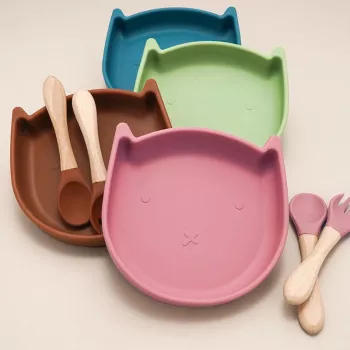
A coordinated baby dinnerware set helps keep early feeding routines consistent—especially when little ones are learning to scoop, grip, and explore new textures. The Animal Shaped Silicone Baby Dinnerware Set with Spoon & Fork – BPA Free is built for babies and toddlers who are beginning solids and practicing self-feeding skills. For further reading, see Preserve Everyday BPA Free Dinner Plates Made from ….
- Set includes animal-shaped silicone dinnerware plus a matching spoon and fork for early feeding routines.
- Designed for babies and toddlers beginning solids and practicing self-feeding skills.
- Soft, flexible silicone helps reduce noise and minimizes the chance of chips or sharp breakage compared with rigid dishes.
- Animal shapes can encourage interest in mealtime and help caregivers build simple food routines (for example, fruit in one area and proteins in another).
At-a-Glance: Set Components and Everyday Use
| Component |
Primary purpose |
Helpful details for caregivers |
| Animal-shaped silicone dinnerware |
Serve baby portions in a fun shape |
Smooth edges; flexible material; suitable for daily use at home or on the go |
| Silicone spoon |
First spoon for purees and soft solids |
Gentle on gums; easy to grip for assisted feeding |
| Silicone fork |
Practice spearing soft foods |
Supports toddler independence with safer, softer tips than metal |
Material Safety and Peace of Mind
For many families, choosing baby dishes starts with what the set is made from. BPA-free silicone can be a reassuring option for food contact, especially when the priority is a softer material that stands up to everyday use.
- BPA-free silicone supports families looking to reduce exposure to certain chemicals commonly discussed in food-contact plastics. For background, see the U.S. Food & Drug Administration (FDA) information on BPA in food-contact applications.
- Food-grade silicone is valued for being non-brittle and for holding up to frequent washing when used as intended.
- Choose gentle cleaning methods and avoid using damaged items; replace if deep tears, persistent odors, or visible wear appear.
- For best results, pair with age-appropriate foods and supervise during all meals to reduce choking risk. The CDC’s choking prevention guidance offers helpful reminders for safer mealtimes.
Design Details That Help at Mealtime
Early meals can be messy, slow, and surprisingly emotional—for kids and caregivers. Small design choices matter: soft edges, comfortable utensils, and a shape that invites curiosity without adding clutter.
- Animal-shaped form adds a playful cue that can make sitting at the table feel more engaging for infants and toddlers.
- Soft silicone edges are comfortable around mouths and hands during messy early feeding stages.
- Utensils sized for small grips support the transition from caregiver-feeding to independent scooping and poking.
- Works well for purees, yogurt, mashed foods, soft fruits, pasta, and other beginner-friendly textures.
When starting solids, many caregivers look for a simple, repeatable setup: a familiar dish, a predictable utensil grip, and foods that match baby’s current skills. For general readiness and early feeding tips, the American Academy of Pediatrics guidance on starting solid foods is a practical reference point.
Cleaning, Storage, and Everyday Care
Silicone baby dishes are made for frequent washing, but a few habits can help them stay fresher longer—especially if you rotate between home, daycare, and travel bags.
- Wash before first use; follow any care notes provided with the product packaging.
- Silicone can retain odors if stored damp—air-dry fully before putting away.
- Use mild dish soap and warm water; avoid abrasive scrubbers that may roughen the surface over time.
- Check for staining after strongly colored foods; staining is usually cosmetic, but discard if the material becomes tacky or degrades.
Supporting Self-Feeding Milestones
Self-feeding is a long game: some days are all progress, and some are mostly cleanup. A dedicated baby set helps keep tools consistent while kids practice coordination and control.
- Early utensils help build hand-to-mouth coordination and confidence with new textures and tastes.
- A dedicated baby set can simplify routines by keeping baby-safe dishes separate from adult dinnerware.
- Animal shapes offer an easy way to introduce language (naming animals, foods, and colors) during meals without adding distractions.
- Consistency matters: using the same spoon and fork daily helps toddlers learn grip and control more quickly.
When This Set Makes a Great Gift
Shop In-Stock Picks
FAQ
Is BPA-free silicone dinnerware safe for babies?
BPA-free means the product is made without bisphenol A, a chemical sometimes discussed in the context of food-contact plastics. Silicone is commonly used for baby feeding items; follow the manufacturer’s use and care instructions, supervise all meals, and replace any item that shows deep tears, damage, or persistent off-odors.
How do you remove odors or stains from silicone baby dishes?
Start with thorough washing using mild dish soap and warm water, then fully air-dry before storing. Some stains are cosmetic; if odors linger, an occasional soak using a gentle, baby-safe method (as allowed by the product’s care guidance) can help, while harsh abrasives should be avoided.
At what age can a baby start using a spoon and fork?
Many babies begin spoon practice around the time they start solids, often with assisted feeding and lots of exploration. Fork use typically comes later, once a toddler can manage thicker grips and safely spear very soft foods; readiness varies, so pediatric guidance is a good checkpoint.
Recommended for you











Leave a comment