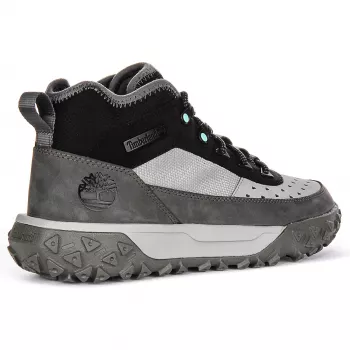
Leather shoes that look sharp but still feel practical are tough to pin down for everyday wear. Timberland’s men’s grey leather option hits a useful middle ground: a neutral, easy-to-style color; a durable leather upper; and an all-day feel that fits real routines—commuting, smart-casual offices, travel days, and weekend errands. For more guidance, see How to Wear and Style Men’s Timberland Boots – Complex.
If you want one pair that cleans up well without feeling precious, Timberland Men’s Grey Leather Shoes are a strong contender—especially when you’d rather not rotate between “work shoes” and “walking shoes” all week.
What Makes Grey Leather Shoes So Wearable
Grey is one of those rare shades that reads intentional without demanding attention. It’s also forgiving: it doesn’t show every speck of dust the way high-gloss black can, and it can look modern without feeling trendy.
- Easy pairing power: Grey works with black, navy, olive, and denim while feeling less formal than black leather.
- Better long-term aging: A real leather upper typically wears in—not out—when it’s conditioned and stored properly.
- Balanced vibe: A slightly rugged silhouette can dress down chinos while still looking deliberate with dark jeans.
These shoes are built for day-to-day versatility: clean enough to support smart-casual outfits, sturdy enough for regular walking, and neutral enough to sit in rotation year-round. The grey leather finish is also practical—minor scuffs and everyday dust tend to blend in more naturally than they do on darker, shinier leather.
Quick specs
| Detail |
What to know |
| Product |
Timberland Men’s Grey Leather Shoes |
| Material |
Leather upper (grey) |
| Price |
$83.51 |
| Availability |
In stock |
| Best for |
Commute, everyday wear, smart-casual outfits |
Comfort and Fit: What to Look For Before Buying
Fit is where a leather shoe either becomes your go-to pair or ends up collecting dust. Even a well-built shoe can feel “off” if the toe box, heel hold, or arch support doesn’t match your feet and your daily mileage.
- Toe room: Make sure you can wiggle your toes. This helps prevent pressure points during long days and reduces the odds of hot spots when you’re walking more than usual.
- Heel hold: A secure heel reduces rubbing and helps prevent blisters. If you’re between sizes, thicker socks can sometimes stabilize the fit without cramping the toe box.
- Break-in expectations: Leather often relaxes slightly. Mild snugness across the vamp may ease after a few wears, but pinching, numbness, or sharp pressure usually means the size/width isn’t right.
- Arch support: If you stand for hours, pay attention to how the footbed feels after 30–60 minutes. If it feels flat, a supportive insole can be a simple upgrade.
For general foot-health considerations—especially if you’re on your feet all day—review guidance from the American Podiatric Medical Association (APMA) on choosing supportive footwear.
How to Style Grey Leather Shoes Without Overthinking It
Grey leather is one of the easiest ways to look pulled together without looking overdressed. The goal is to keep the outfit’s tones in the same neighborhood while letting the shoes add a clean, grounded finish.
- Casual: Dark jeans + a solid tee + a denim jacket or bomber. Grey leather keeps the look tidy while still relaxed.
- Smart-casual: Chinos (navy, tan, or olive) + an Oxford shirt. Add a belt in a similar tone (charcoal, black, or dark brown) for cohesion.
- Cool-weather: Charcoal trousers + a knit sweater. Grey-on-grey works best when the shades are varied (for example: darker pants, lighter shoes, mid-tone top).
- Socks: Match socks to pants for a longer leg line, or go slightly darker for a cleaner transition—especially with tapered chinos.
Leather Care That Keeps Them Looking Newer, Longer
A small amount of routine care goes a long way with leather. The goal is to keep the upper clean, prevent drying, and maintain shape so creases stay controlled rather than deep and permanent.
- Brush off grit after wear: Embedded dirt can dull leather and slowly wear down stitching and seams.
- Condition occasionally: Conditioning helps reduce drying and cracking. Avoid over-conditioning, which can overly soften the structure and change the finish.
- Spot-clean the right way: Use a damp cloth, wipe gently, and let the shoes air-dry away from direct heat.
- Use shoe trees (or paper stuffing): This helps maintain shape and reduces harsh creasing as the leather cools and dries after wear.
- Rotate wear days when possible: Giving leather time to fully dry improves comfort and can reduce odor over time.
For brand-specific recommendations on cleaning and protection, Timberland’s official footwear care tips are a solid reference.
When This Pair Makes the Most Sense
More In-Stock Finds
FAQ
How should leather shoes fit on the first wear?
They should feel secure in the heel with comfortable toe room. Mild snugness can relax as the leather breaks in, but pinching, numbness, or sharp pressure is a sign to size up or try a different width.
How do grey leather shoes compare to black or brown for everyday outfits?
Grey is versatile and typically reads a bit less formal than black. It pairs easily with denim, navy, charcoal, and many earth tones while still looking polished.
What’s the simplest way to maintain leather shoes week to week?
Brush or wipe them after wear, let them dry naturally, and condition periodically. Storing them with shoe trees (or paper stuffing) helps them keep their shape and reduces deep creasing.
Recommended for you










Leave a comment