Are workout tanks good for all workouts?
Workout tanks can work for most workouts, but they’re not automatically the best choice for every session. A tank’s biggest advantage is freedom of movement—especially around the shoulders—plus airflow that helps you stay cooler when intensity or temperatures rise. For strength training, yoga, Pilates, HIIT, and most gym routines, a well-fitting tank is usually a solid pick.
Where tanks can fall short is when conditions demand more coverage or structure. Outdoor runs in cool weather, high-friction activities (like long rucks or obstacle-style training), or workouts where equipment rubs the upper body may call for sleeves or a different cut to prevent chafing. If you rely on a heart-rate monitor strap, a super-slick, lightweight tank can sometimes shift unless it fits snugly through the torso.
What makes a workout tank “good” across different training styles?
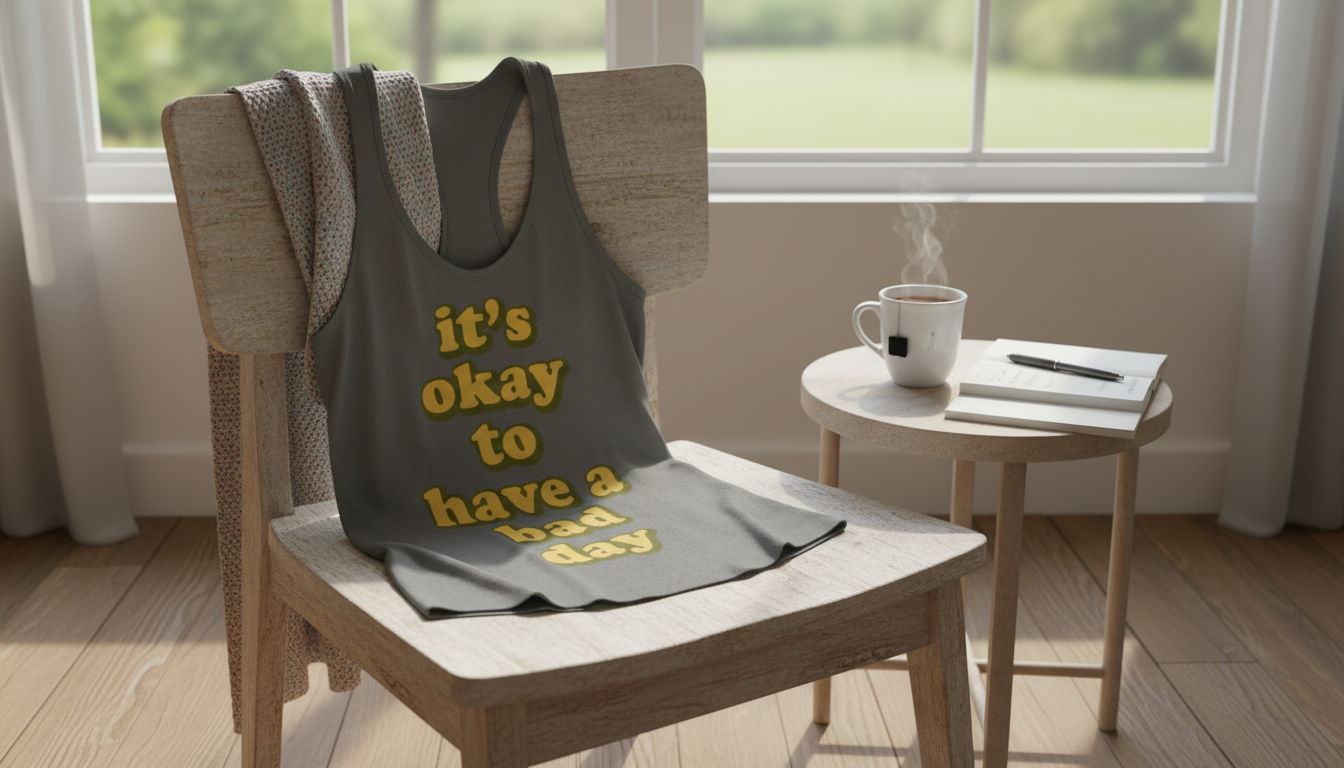
Look for a tank that stays put when you move overhead, hinge, and rotate. A racerback or similar cut can reduce shoulder restriction during presses, pull-ups, and flows. Fabric matters too: moisture-wicking materials help during sweaty workouts, while softer blends can feel better for lower-impact days. Seams that lie flat and a neckline/armhole that doesn’t gape can also make a tank more versatile for everything from lifting to studio classes.
When should you choose something other than a tank?
If you’re training outdoors and need warmth or sun protection, a tee or long sleeve may be more comfortable. If you’re doing high-contact or high-abrasion work (sandbags, ropes, weighted vests), sleeves can help protect skin. And if a gym requires covered shoulders, a tank may not meet the dress code.
For more guidance on choosing a comfortable, motivational racerback style that fits everyday wear and workouts, visit this racerback tank guide.
FAQ
How do I choose the right workout tank fit?
Aim for a fit that’s secure at the chest and underarms without digging in, and make sure the hem doesn’t ride up during overhead moves. If you do high-intensity training, a slightly more fitted torso often reduces shifting and chafing.
Recommended for you












Leave a comment