Are dog carrier backpacks good for dogs?
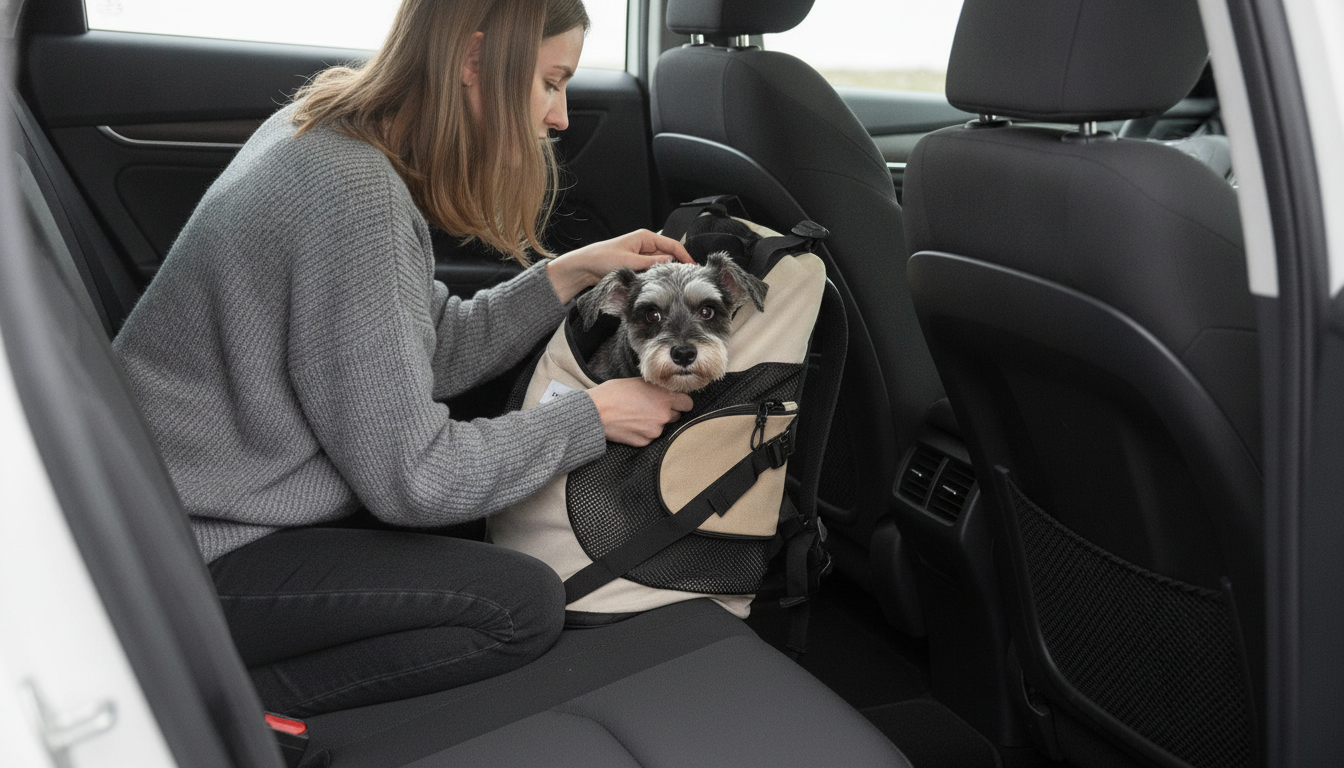
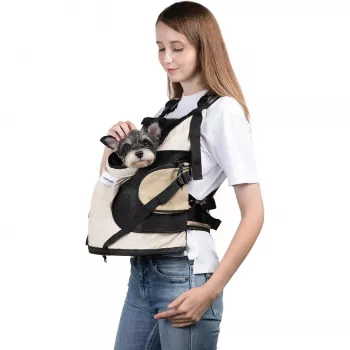
Dog carrier backpacks can be very good for dogs when the carrier fits properly, the dog is comfortable with being carried, and the outing matches the dog’s energy and health needs. They’re especially helpful for small dogs, senior dogs, puppies who tire quickly, and dogs recovering from minor injuries who still want to be included on walks, errands, and travel days.
When a backpack carrier is a great choice
A well-designed backpack gives dogs a secure “den-like” space while keeping them close to their person. This can reduce stress in busy places, protect small dogs from crowded sidewalks, and make longer days more manageable. Many dogs also benefit from the steady support of a structured base and the ability to peek out for reassurance.
What makes a carrier backpack safe and comfortable
Look for breathable panels, a stable bottom that prevents sagging, and secure zippers plus an internal safety leash clip to help prevent sudden jumps. Comfort features like padded straps and a supportive back panel matter, too—if the carrier shifts on the wearer, the dog gets jostled. Proper ventilation is important year-round, and a carrier should allow the dog to sit or lie down without being cramped.
When backpacks may not be ideal
Not every dog enjoys being confined, and some dogs do better with gradual training. Dogs with severe anxiety, significant respiratory issues, or serious joint/spine problems may need a different option or veterinary guidance. Also, if the carrier is too small, poorly ventilated, or lets the dog slump, it can turn an outing into an uncomfortable experience.
How to use one responsibly
Start with short, calm sessions at home, then build up to brief trips. Monitor temperature, breathing, and body language, and take breaks for water and potty. For more tips on ventilation, fit, and city-friendly carry options, see this breathable pet carrier backpack guide.
FAQ
How long can a dog stay in a carrier backpack?
Many dogs do well in a backpack for short stretches (30–60 minutes) with regular breaks, but the right duration depends on temperature, ventilation, and the dog’s comfort. Plan frequent check-ins, offer water, and take the dog out to stretch and potty.
Recommended for you











Leave a comment