What is the best car interior plastic restorer?
The best car interior plastic restorer is one that (1) cleans away embedded oils and residue, (2) darkens faded plastic without looking greasy, and (3) leaves a dry-to-the-touch, UV-resistant finish that won’t attract dust. For most drivers, that means choosing a dedicated interior trim restorer designed for hard plastics and vinyl—rather than a generic “shine” dressing.
What to look for in a top-performing restorer
Natural-looking finish: A quality restorer brings plastics back to a deeper, richer tone (often close to factory) without a wet glare that makes interiors look slick.
Durability: The best products hold up to heat cycles, sunlight, and frequent touch points like door panels, center consoles, and dashboards.
Low mess: A good restorer spreads evenly, buffs cleanly, and doesn’t leave streaks on textured grain or transfer onto hands and clothing.
How to get the best results (product choice matters, but prep matters more)
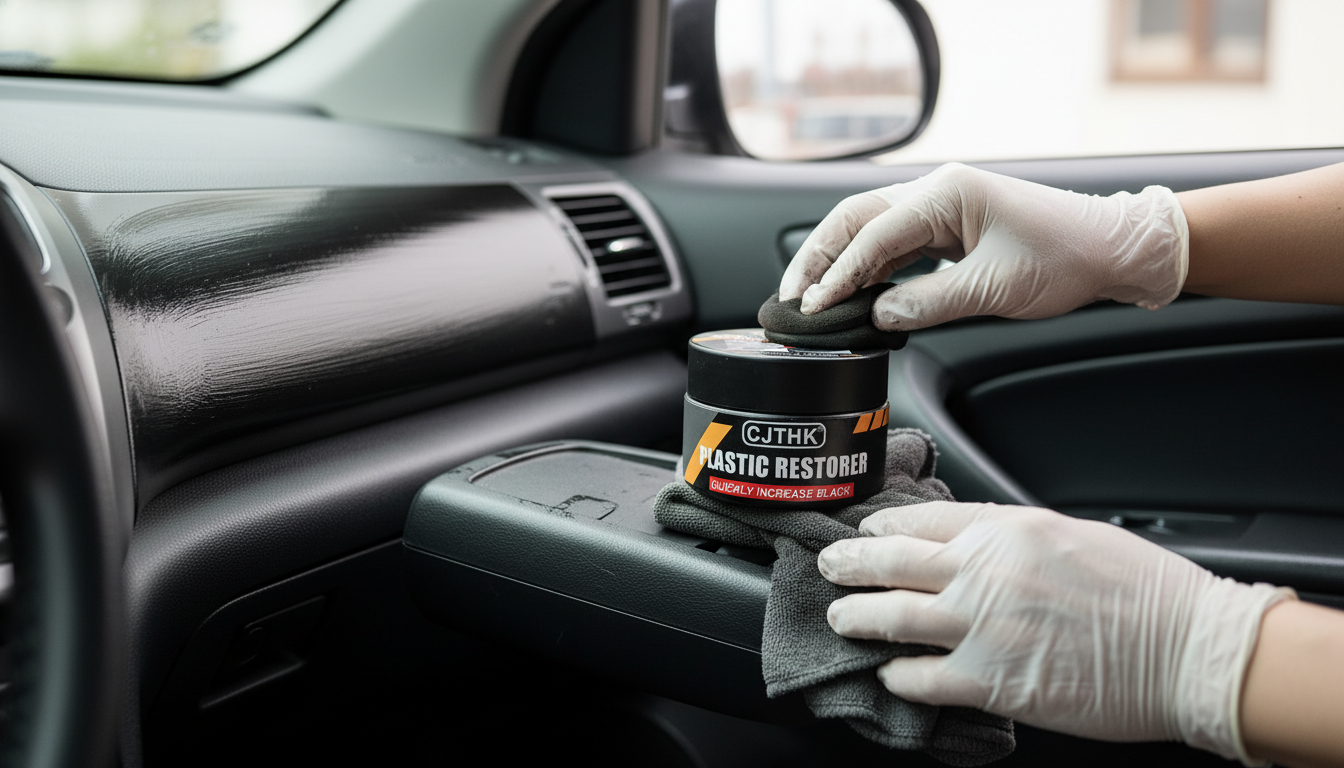
Even the strongest restorer won’t bond well over silicone, body oils, or leftover cleaner. Start by vacuuming seams and crevices, then wipe the area with an interior-safe cleaner and a microfiber towel. Apply the restorer sparingly using an applicator pad, work it into the texture, and buff off any excess. If the plastic is severely faded, two light coats usually look better and last longer than one heavy coat.
When to use a trim “restorer” vs. a protectant
If the plastic is chalky, gray, or blotchy, use a restorer to revive color first. If the plastic still looks healthy but you want ongoing protection, a UV protectant is often enough for maintenance between deeper treatments.
For a step-by-step approach to bringing trim back to a darker, cleaner look (and keeping it that way), see the full guide here: https://ciceras.com/guide-back-to-black-gloss-restore-car-trim-leather-look/.
FAQ
How do you remove greasy shine from interior plastic?
Clean the surface with an interior-safe cleaner and a microfiber towel, then buff until dry. If shine keeps returning, the plastic likely has layered dressing buildup that needs a thorough wipe-down before applying a dry-finish protectant.
Recommended for you











Leave a comment