A lightweight softshell with fleece lining bridges the gap between bulky winter coats and thin rain shells—ideal for brisk commutes, breezy trails, and unpredictable drizzle. The right balance of wind protection, water resistance, and comfortable stretch can keep layering simple while staying warm without overheating.
What This Jacket Is Built For
- Everyday wear in cool, windy, and lightly wet conditions where comfort and mobility matter as much as protection.
- Active use like walking, travel days, light hiking, dog walks, and errands—when a heavy insulated parka feels like too much.
- Layering-friendly warmth: fleece lining adds insulation while the softshell face helps block wind.
- A practical choice for shoulder seasons and mild winters, depending on how much is worn underneath.
Softshell + Fleece Lining: How the Combo Feels
- Softshell outer fabric usually feels smoother and quieter than many rain shells, with a more flexible “daily wear” feel.
- Fleece lining adds instant warmth and comfort, often reducing the need for a bulky midlayer in moderate cold.
- Typically more breathable than fully waterproof hard shells during stop-and-go movement (walking to transit, running errands, traveling).
- Comfort-first design: meant to move with you rather than feel stiff when driving, reaching, or carrying a bag.
Water and Wind Protection: What to Expect
- Windblocking matters more than many people expect—cutting wind can make a cool day feel significantly warmer. For a quick reference on how wind changes perceived temperature, see the NOAA National Weather Service Wind Chill Chart.
- Water performance can range from water-resistant to waterproof depending on the fabric, membrane, and seam construction. If a waterproof rating or seam-sealing details are listed on a product page, those are the specs to use when comparing jackets.
- For steady downpours or long exposure, a dedicated rain shell often performs better; for intermittent showers and wet wind, a softshell can be the more comfortable option.
- Care matters: dirt, body oils, and wear can reduce water beading over time. Refreshing the finish (when applicable) can help restore performance.
Choosing the Right Outer Layer for Common Conditions
| Condition |
Softshell Fleece-Lined Windbreaker |
Rain Shell (Hard Shell) |
| Cold wind, dry weather |
Excellent comfort and wind protection; warm feel |
Windproof but often less comfortable for casual wear |
| Light rain / drizzle |
Often suitable; sheds water for short periods |
Very good; built specifically for rain |
| Heavy, sustained rain |
May wet out depending on construction and wear |
Best choice, especially with sealed seams |
| High-output activity |
Typically more breathable and flexible |
Can trap heat; vents help if available |
For a deeper breakdown of rainwear types and trade-offs, the REI Co-op Expert Advice on Rain Jackets is a helpful reference point.
Fit, Mobility, and Comfort Details to Look For
- Room for layers: If the jacket will be worn over a sweater or light puffer, aim for comfortable space in the shoulders, chest, and hips without pulling when you move.
- Sleeve length and cuffs: Secure cuffs help keep wind and drizzle from creeping in; a little flexibility at the wrist can make all-day wear more comfortable.
- Hem coverage: Slightly longer hems can improve warmth when sitting, bending, or getting in and out of a car.
- Stretch and patterning: Softshells shine when you’re reaching forward (driving, pushing a stroller, holding a leash) or wearing a backpack.
Useful Features for Daily Use
- Hood design: An adjustable hood helps lock out wind. A structured brim (if included) can also improve visibility by keeping light rain off your face.
- Pockets: Lined hand pockets add comfort on chilly days, while zip closures help keep a phone, keys, or cards secure.
- Zipper comfort: A smooth main zipper and a chin guard can make a bigger difference than expected when wind picks up.
- Packability: A lightweight shell is easier to stash in a tote, backpack, gym bag, or carry-on—especially helpful for travel days with changing forecasts.
How to Wear It Across Seasons
- Cool fall or spring: Throw it over a tee or thin long-sleeve when mornings are crisp and afternoons warm up.
- Colder days: Add a midlayer (fleece or sweater) for warmth while keeping the easy mobility softshells are known for.
- Mild winter: Pair it with a warm base layer, hat, and gloves; blocking wind can dramatically improve comfort even without heavyweight insulation.
- Travel and commuting: Great for frequent transitions between outdoors, vehicles, and indoor spaces—warm enough outside, not overly bulky inside.
Care Tips to Maintain Performance
Product Spotlight
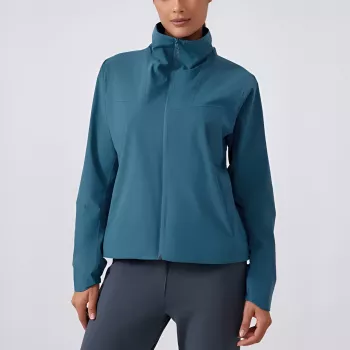
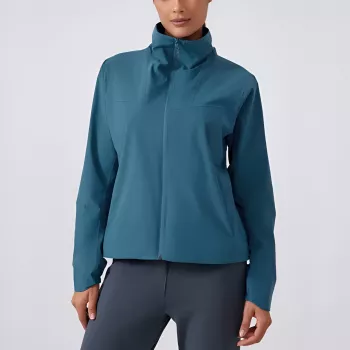
Women’s Lightweight Softshell Fleece Lined Waterproof Windbreaker Jacket is a versatile outer layer designed for windy, cool, and changeable weather. It’s best suited for everyday wear, commuting, travel, and light outdoor activities where comfort and warmth matter, with a lightweight feel and extra coziness from a fleece-lined interior.
More In-Stock Picks
FAQ
Is a fleece-lined softshell warm enough for winter?
It can be warm enough for mild-to-moderate winter conditions, especially when wind is the main issue. In very cold temperatures, add a thicker midlayer or switch to a more insulated coat.
Will this type of jacket keep rain out in a downpour?
It depends on whether the jacket is truly waterproof (and whether seams are sealed) versus simply water-resistant. Softshells often excel in drizzle and short showers, while prolonged heavy rain is usually better handled by a dedicated rain shell.
How should a softshell windbreaker fit if layering underneath?
Look for easy shoulder mobility, enough room through the chest and hips for a sweater, and sleeves that don’t ride up when your arms reach forward. If the jacket pulls across the back or feels tight at the shoulders when you move, sizing or cut may be too snug for layering.
Recommended for you








Leave a comment