Stainless Steel Oil Filter Tray for Cleaner Frying and Grilling
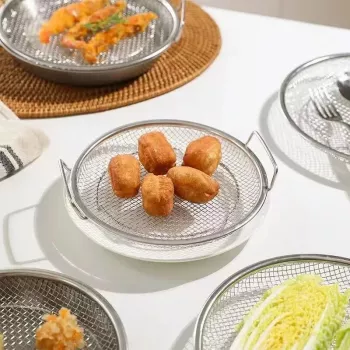
A mesh oil filter tray helps keep fried and grilled foods crisp by draining excess oil and catching loose crumbs before they burn. Stainless steel versions are built for repeated use, quick cleanup, and a more organized cooking station—whether the goal is cleaner bacon, less-greasy tempura, or draining grilled items after basting.
If you’re building a simple “hot-to-drain-to-serve” workflow, a dedicated tray can cut down on paper towel waste, reduce greasy puddles on plates, and help coatings stay crunchy longer—especially when cooking in batches.
What an Oil Filter Tray Does in Everyday Cooking
- Creates a raised draining surface so food sits above pooled oil, reducing sogginess.
- Catches crumbs and batter bits that can scorch and add bitter flavor during continued frying.
- Supports fast transfer from pan or fryer to tray for safer, less-messy draining.
- Works as a staging area for fried batches, grilled items after saucing, or foods coming out of an air fryer basket.
In practice, it acts like a “landing zone” next to the stove or grill: hot food comes out, drips off quickly, and stays elevated so steam can escape instead of softening the exterior. When you’re frying multiple batches, that little pause on a mesh surface can be the difference between crisp and limp.
Why Stainless Steel and Mesh Matter
- Stainless steel resists rust and odor retention better than many painted or plastic drain racks.
- Mesh provides more contact points than wide-wire racks, helping smaller items drain without slipping through.
- Heat-tolerant construction is suited to receiving hot food directly from a pan, wok, or fryer basket.
- Non-porous surfaces are easier to sanitize after greasy foods like chicken wings, bacon, or sausage.
Mesh is especially useful for delicate items and small pieces: popcorn chicken, thin fries, shrimp, or tempura fragments can drain without sagging between wide wires. Stainless steel also tends to clean up faster after sticky fats and seasonings, making it a dependable tool for frequent use.
Best Uses: Frying, Grilling, and More
- Deep frying: drain fries, chicken, tempura, donuts, or seafood between batches to keep the crust crisp.
- Pan frying: rest cutlets or fritters while finishing the next portion; reduce oil pooling on plates.
- Grilling: set sauced items briefly on the tray to let excess drip off before serving.
- Roasting and air frying: use as a quick drain station for foods that release fat (sausages, wings, skin-on chicken).
- Food prep: hold rinsed vegetables or thawed items to shed water before cooking for better browning.
Quick guide to common tasks
| Cooking task |
What the tray helps with |
Tip for best results |
| Fried chicken or cutlets |
Less surface grease, crispier crust |
Let pieces rest briefly; avoid stacking so steam can escape |
| Fries or tempura |
Keeps coating from turning soft |
Drain in a single layer; season while hot after oil sheds |
| Bacon or sausage |
Reduces greasy finish |
Move to tray immediately; blot only if needed to avoid sticking |
| Grilled items after basting |
Cleaner presentation, fewer drips |
Rest briefly, then plate; avoid long rests that cool food too much |
How to Use It Without Making a Mess
- Place the tray on a stable, heat-safe surface near the stove or grill to minimize travel distance with hot food.
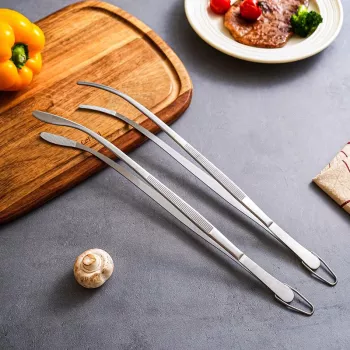
- Transfer food with tongs, spider strainer, or slotted spatula; pause over the pan for a second to reduce drips.
- Keep space between pieces; crowded food steams itself and softens crisp coatings.
- If saving frying oil, let crumbs collect on the mesh and remove them before the next batch to reduce burning debris.
- For extra-crisp results, rest food briefly on the tray, then move to a serving plate so it doesn’t sit in residual drips.
A simple workflow helps: set the tray beside the heat source, drain for 30–90 seconds, then move to a plate or warming rack. If you’re cooking for a crowd, using the tray as a repeatable staging spot keeps the counter cleaner and speeds up serving.
Cleaning and Care for Long-Term Use
- Allow the tray to cool before washing to avoid burns and to prevent warping from sudden temperature changes.
- Rinse off loose crumbs first; then wash with hot water and dish soap using a soft brush to reach the mesh.
- For sticky residue, soak briefly and use a non-abrasive scrubber to preserve the finish.
- Dry thoroughly after washing to prevent water spots and keep the tray looking polished.
- Avoid harsh steel wool if a smoother finish is preferred; a nylon brush typically handles mesh well.
Safety and Handling Tips Around Hot Oil
For additional deep-frying safety basics, review guidance from the USDA Food Safety and Inspection Service (FSIS). For general best practices on handling leftover household grease and oil, see the EPA.
When This Tool Makes the Biggest Difference
Shop Options for a Tidier Cooking Setup
FAQ
Can this be used to strain and reuse frying oil?
It can catch larger crumbs and debris, which helps slow down scorching in the next batch. For fine filtering, use a dedicated fine-mesh strainer or filter paper, and always cool oil before moving, filtering, or storing it.
Will food stick to the mesh?
Sticking is usually minimized by letting excess oil drip before setting food down and avoiding pressing items into the mesh. Cleaning soon after use helps; sugary glazes or heavy batters may need a short soak to release easily.
Is stainless steel safe for hot, greasy foods?
Yes—stainless steel is widely used for cookware and food-contact tools because it handles heat well and cleans up reliably. Use standard kitchen safety practices, and wash thoroughly after contact with grease and proteins.
Recommended for you










Leave a comment