Rustic Jacquard Oil-Painting Style Table Runner for Tea Rooms and Coffee Tables
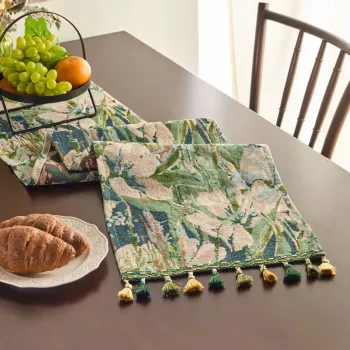
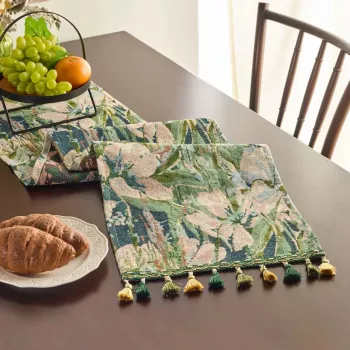
A jacquard table runner with an oil-painting-inspired pattern brings color, texture, and a curated feel to small surfaces—especially tea tables and coffee tables where details are noticed up close. With the right placement and a few smart pairings, it can soften hard lines, highlight natural materials, and make everyday serving feel intentional without hiding the character of the table itself. For more guidance, see Jacquard Table Runner.
Why this runner suits tea rooms and coffee tables
Tea corners and coffee-table moments work best when a setup feels layered but not crowded. A jacquard runner accomplishes that by adding dimension that reads “styled” even when you only have a tray and two cups on top. For further reading, see patdrea: TABLE RUNNER.
- Raised texture, instant depth: The jacquard weave creates subtle highs and lows, so the surface looks interesting even with minimal decor.
- Art-meets-textile vibe: An oil-painting-style motif functions like a small artwork, ideal for close-up spaces where guests linger.
- Rustic tones are easy to live with: Warm, earthy colorways pair naturally with wood, stone, rattan, and ceramics common in cozy tea-room styling.
- Defines a “serving zone”: A runner creates a clear lane for a teapot, cups, books, or a candle—while keeping table edges visible.
If you want a ready-made focal layer, start with the Rustic Jacquard Oil Painting Style Table Runner – Perfect for Tea Rooms & Coffee Tables, which is designed specifically for small, detail-driven surfaces.
Texture and material feel: what jacquard changes
Jacquard isn’t a print technique—it’s a weaving method that builds the pattern into the fabric structure. (For a quick background on how jacquard weaving works, see Encyclopaedia Britannica’s overview of the Jacquard loom.) That construction difference is exactly why jacquard runners look richer on coffee tables than flat, printed textiles.
- Pattern with presence: Because the motif is woven, it looks more dimensional than a surface print and often has a subtly different look from angle to angle.
- More substantial drape: The fabric typically feels weightier, helping it settle neatly and resist shifting when you set down a tray.
- Lighting adds depth: Under warm lamps, the raised weave can catch highlights and shadows, giving a “gallery effect” without extra styling.
- Everyday practicality: Texture can disguise minor crumbs or lint between cleanings (though shaking out and quick brushing still matter).
Simple sizing and placement for smaller tables
On compact tables, the goal is balance: enough runner showing to feel intentional, with enough open table visible to keep the setup airy. Use the runner as a guide for where objects live, not as a surface that must be fully covered.
- Rectangular coffee tables: Center the runner lengthwise to create a clean visual “lane” for books, a tray, and a vase.
- Square tea tables: You can run it straight across with a modest overhang, or fold the runner slightly shorter so corners don’t feel crowded.
- Round tables: Place the runner across the diameter so both ends drape evenly; the center becomes a natural landing spot for teaware.
- Statement tabletops: If your table has dramatic grain or a bold finish, go narrower and reduce the number of items on top for contrast.
- Glass surfaces: A runner reduces the “cold” feel and helps hide fingerprints; add a tray to stabilize cups and limit sliding.
Quick placement guide
| Table type |
Best layout |
Styling goal |
| Rectangular coffee table |
Lengthwise centered |
Creates a focal lane for books, tray, and vase |
| Square coffee table |
Centered with modest overhang or folded shorter |
Adds softness without hiding the whole surface |
| Round tea table |
Across the diameter |
Frames teaware and adds a handcrafted look |
| Console or sideboard |
Lengthwise with taller decor at one end |
Balances height for lamps, frames, and pottery |
Styling ideas: tea service, books, and rustic accents
The easiest way to make an oil-painting-style runner look elevated is to let the pattern breathe. Think in small groupings and varied heights, with one “anchor” piece that keeps everything from drifting.
Care and daily upkeep for woven table textiles
For general stain-treatment best practices across common spills, Good Housekeeping’s stain removal guide is a helpful reference point—especially for quick identification of what to do first.
Pairs well with: warm lighting and natural textures
To reinforce that cozy, handmade atmosphere above a tea table or seating nook, consider the Handmade Wabi Sabi Rattan Pendant Light as a complementary texture that won’t visually “fight” a patterned runner.
When to use a runner vs. placemats or a full tablecloth
FAQ
Does a jacquard runner work on a round tea table?
Yes—lay it across the diameter so both ends drape evenly. Anchor the center with a tray or teapot set to keep the arrangement stable and intentional.
How can the runner be styled without looking busy?
Limit decor to 2–3 main items, use a tray to group small pieces, and repeat one color from the pattern in a single accessory (like a mug, candle, or vase).
What’s the best way to handle small spills on a woven runner?
Blot immediately with a clean cloth, lift residue gently, and then clean according to the product’s care directions. Avoid scrubbing hard to protect the woven texture and prevent the stain from spreading.
Recommended for you









Leave a comment