Luxury Winter Reflective Puffer Jacket for Dogs & Cats: Soft, Warm, Padded Comfort
Cold-weather walks and drafty indoor spaces can be tough on pets, especially small breeds and short-haired cats. A padded puffer jacket adds insulation without bulky layering, while reflective details can make a big difference when daylight is limited. Below is a practical guide to comfort, fit, visibility, and care—plus a featured winter coat option for everyday outings.
What Makes a Winter Puffer Jacket Comfortable for Pets
A good winter coat should feel like a gentle, warming layer—not a stiff costume. Puffer designs are popular because they trap warmth efficiently while staying relatively light.
- Insulating padding: Helps retain body heat, especially for pets that chill quickly in wind or damp air.
- Soft lining: Reduces rubbing around common friction points like the chest, armpits, and belly.
- Snug-but-not-tight fit: Minimizes cold air circulating under the coat while still allowing natural breathing and movement.
- Lightweight construction: Supports normal walking, running, and jumping—important for both energetic dogs and agile cats.
- Core coverage: Warmth is most noticeable when the back and chest are protected, since these areas help maintain overall body temperature.
Reflective Details for Low-Light Walks
Reflective accents are designed to bounce light back toward a light source (like headlights or a flashlight), helping drivers and cyclists notice your pet sooner. Visibility features work best when paired with smart routines: stick to safer routes, keep pets leashed near roads, and maintain close supervision.
- Reflective panels are most effective when they’re not covered by harness straps or backpack-style accessories.
- For darker winter evenings, pairing reflective gear with an LED collar or clip-on light can provide more consistent, multi-angle visibility.
Winter visibility options at a glance
| Option |
Best for |
Limitations |
| Reflective jacket accents |
Improving noticeability when light hits the pet |
Needs an external light source (headlights/flashlight) |
| LED collar or clip-on light |
Consistent visibility from multiple angles |
Requires batteries/charging |
| High-contrast color coat |
Daytime and dusk visibility |
Less effective at night without added lighting |
Getting the Right Fit: Measure Before Ordering
Fit affects warmth, comfort, and safety. A coat that’s too loose can let cold air circulate; too tight can restrict movement or rub sensitive areas.
- Chest girth: Measure the widest part of the chest just behind the front legs. This is usually the most important sizing input.
- Back length: Measure from the base of the neck to the base of the tail. Avoid coats that press into the tail base or limit tail movement.
- Neck circumference: Helpful when a design closes at the neck or includes a higher collar.
- Two-finger check: Aim to fit two fingers under the coat at the chest to prevent rubbing and allow easy breathing.
- Harness compatibility: If your pet wears a harness, confirm the coat can sit comfortably over it or has an access opening if needed.
When a Padded Coat Helps Most
Not every pet needs a winter jacket for every outing, but certain situations make a padded layer noticeably beneficial.
- Small dogs and toy breeds: They often lose heat quickly, even during short potty breaks.
- Short-haired, senior, or low-body-fat pets: These pets may get cold sooner than thick-coated breeds.
- Recovery and extra sensitivity: Pets recovering from illness may benefit from warmth with veterinarian approval.
- Drafty homes and travel: Cats in carriers and pets near chilly doors/windows can appreciate extra insulation.
- Windy, damp conditions: Insulation paired with a protective outer layer can reduce discomfort when the weather is harsh.
For general cold-weather guidance, see the American Veterinary Medical Association (AVMA) cold weather pet safety tips and the ASPCA cold weather safety recommendations.
Everyday Use, Care, and Cold-Weather Safety
A winter coat should make outings easier—not create a daily struggle. A calm introduction and simple checks help prevent common issues.
- Start indoors: Put the coat on in a familiar space first so your pet can acclimate. Watch for any pinching, tight spots, or rubbing.
- Confirm mobility: Your pet should be able to walk, sit, and lie down normally without pulling at the shoulders or elbows.
- Dry after wet walks: Let the coat dry fully to maintain loft and reduce odors.
- Follow the care label: Gentle washing and air-drying typically help preserve padding and reflective features.
- Watch for cold stress: In extreme cold, limit time outside and look for shivering, lifting paws, slowing down, or reluctance to continue.
- Prevent overheating indoors: Remove the coat in heated homes if your pet seems warm or restless.
Featured Option: Luxury Winter Reflective Dog & Cat Puffer Jacket
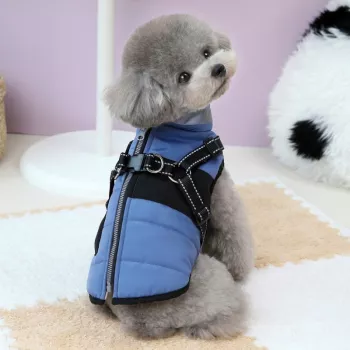
If you’re looking for an easy, everyday winter layer, the Luxury Winter Reflective Dog & Cat Puffer Jacket – Soft, Warm, Padded Coat is designed for cozy insulation with reflective elements for low-light visibility. With the right size, it can suit both dogs and cats and works well for daily walks, quick potty breaks, and cold-weather travel.
More In-Stock Picks for Cold-Season Routines
FAQ
How tight should a winter jacket fit on a dog or cat?
Aim for snug coverage without restricting breathing or movement. A common check is leaving about two fingers of space at the chest, while confirming the shoulders move freely and nothing rubs under the armpits.
Do reflective jackets work in complete darkness?
Reflective material needs a light source to bounce light back, so it won’t “glow” on its own in complete darkness. Pair reflective gear with a flashlight or an LED collar/clip-on light for more reliable night visibility.
Can a cat wear a puffer jacket safely?
Yes, when the jacket is properly fitted and the cat is supervised. Introduce it gradually indoors, make sure it doesn’t interfere with jumping or grooming, and remove it if your cat shows stress or signs of overheating.
Recommended for you













Leave a comment