Penguin-Shaped Silicone Baby Training Cup: Soft, Leak-Resistant Sips for Growing Toddlers
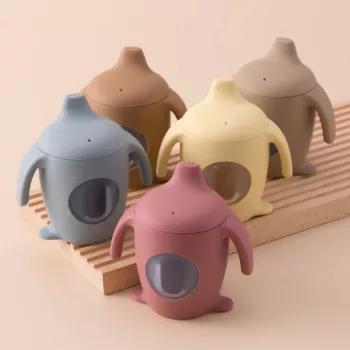
A gentle transition from bottle to independent drinking often comes down to comfort, grip, and fewer spills. The Penguin-Shaped Silicone Baby Training Cup – BPA Free, Leakproof, Soft Toddler Bottle is designed with a soft feel, an easy-to-hold shape, and leak-resistant sipping to support daily practice at home or on the go.
For many families, the sweet spot is a cup that feels friendly in small hands, doesn’t overwhelm toddlers with a harsh spout, and helps contain the “tip-and-test” experimenting that’s part of learning.
What Makes a Training Cup Easy to Learn With
The early days of cup practice are all about repetition and confidence. A toddler-friendly training cup tends to work best when it removes a few common barriers—uncomfortable materials, awkward grip, and constant mess.
- Soft silicone body that feels comfortable against gums and emerging teeth
- Cute penguin shape that encourages interest and repeated practice
- Leak-resistant design to reduce mess during learning and travel
- BPA-free material choice for everyday family use
- Lightweight feel for small hands developing grip and coordination
If you’re also planning the broader transition away from bottles, guidance from pediatric sources can be helpful; HealthyChildren.org from the American Academy of Pediatrics includes practical tips for moving from bottle to cup routines (AAP HealthyChildren.org — Transitioning from Bottle to Cup).
Comfort-First Design: Soft Silicone and Toddler-Friendly Grip
Rigid cups can be durable, but they can also feel slippery and less forgiving during the learning phase. Silicone offers a slightly “grippy” surface that’s often easier for toddlers to hold, especially when hands are small or a bit damp after meals.
- Silicone provides a slightly grippy surface that’s easier to hold than rigid plastic.
- Rounded edges help avoid pressure points during longer drinking sessions.
- Compact, hand-sized shape supports two-handed holding and stable sipping.
- Flexible daily use for water practice, milk, or other age-appropriate drinks (following pediatric guidance).
Quick Feature Checklist
| Feature |
Why it helps during training |
| Soft silicone body |
Gentler on gums; easier to grip |
| Penguin-shaped design |
Encourages curiosity and regular practice |
| Leak-resistant build |
Less cleanup during early sipping attempts |
| BPA-free material |
Common safety preference for kids’ drinkware |
| Toddler-sized form |
Supports small-hand control and independence |
Leak Resistance Without Making Sipping Frustrating
Leak resistance matters most during the stage when toddlers explore angles—tilting, tipping, and learning how much pressure to use. The goal is a balanced design: liquid should flow with normal sipping while minimizing drips if the cup falls over or gets briefly inverted.
- Leak resistance is most helpful during the “tip-and-test” phase when toddlers explore angles and flow.
- A good balance supports normal sipping while cutting down on accidental drips.
- Confirm parts are seated correctly before handing it over (especially after washing).
- Start with a smaller fill level during early practice to build confidence and reduce spill impact.
If you ever notice unexpected leaking, don’t assume the cup “doesn’t work” right away—assembly and fill level account for many common issues, and small adjustments can make day-to-day use much smoother.
Cleaning and Daily Care
Any toddler drinkware gets a lot of mileage—milk, water, snacks, and the occasional “helpful” backwash. Keeping silicone clean is usually straightforward, but consistency matters.
- Rinse soon after use to help prevent odor and residue buildup.
- Wash thoroughly according to the seller’s care instructions and allow it to dry fully before reassembling.
- Check drinking openings and seams regularly to ensure they’re clear and clean.
- Replace if needed when silicone shows tearing, deep cuts, or persistent odor after proper cleaning.
For families who like an extra layer of reassurance around materials used in food contact items, general consumer guidance on BPA and food contact materials is available from the CDC (CDC — BPA and Food Contact Materials (General Consumer Guidance)).
When This Cup Fits Best (and When to Switch)
This kind of soft training cup tends to shine in everyday routines where independence is the goal and spills are the obstacle.
- Fits well for practice anywhere: at home, daycare routines, car trips, and quick outings.
- Helpful for sensory preferences: kids who dislike hard spouts against teeth often do better with softer materials.
- If leaking happens often, reassess assembly, fill level, and whether the drink is too thin/thick for the sipping style.
- If biting becomes a habit, supervise closely and consider a sturdier option to protect drinking components.
Product Snapshot
At-a-Glance Details
More In-Stock Picks to Support Daily Routines
FAQ
Is a silicone training cup safe for toddlers?
Safety depends on the materials and proper use. BPA-free silicone is a common preference for kids’ drinkware, but it’s still important to follow age guidance, supervise during use, and regularly check the cup for tears or damage.
How do leaks usually happen with leak-resistant toddler cups?
Leaks often come from incorrect assembly after washing, overfilling, parts not fully seated, wear and tear, or vigorous shaking. Re-seating the components, lowering the fill level, and inspecting for damage usually resolves the issue.
How often should a toddler training cup be replaced?
Inspect it regularly and replace it if you notice cracks, tears, persistent odor after proper cleaning, discoloration, or damaged drinking components. Replacing worn drinkware helps maintain hygiene and reduces the risk of pieces degrading over time.
Recommended for you











Leave a comment