A reliable spatula should slide under delicate foods, protect non-stick coatings, and hold up to daily heat and stirring. The right silicone spatula can do all three—provided the edge profile, flexibility, and heat rating match how you cook. Below is a practical guide to what matters most, plus a quick spec checklist and care tips that help your spatula (and your cookware) last longer.
What Makes a Silicone Spatula Non-Stick-Friendly
Non-stick cookware performs best when its coating stays smooth and intact. A silicone spatula supports that goal by keeping contact gentle while still being functional for flipping and scraping.
- Soft, flexible edge: A pliable lip helps lift eggs, pancakes, and fish without digging into the pan’s coating.
- Less sticking vs. hard edges: Silicone tends to glide more easily than bare metal edges and is less likely to tear fragile foods as you lift and turn.
- Coating-friendly contact: Using softer tools—along with reasonable heat and non-abrasive cleaning—can help non-stick cookware stay in better shape over time.
Design Details That Change How It Performs
Two silicone spatulas can feel completely different in the pan. Small design choices affect whether flipping feels effortless or frustrating.
Edge profile: thin beats bulky
For flipping, look for a thin or beveled edge. Thick, rounded edges often push food around instead of slipping underneath—especially with delicate items like over-easy eggs or tender fish.
Flex and stiffness: the “right” balance
Too flexible and the head folds when you try to lift; too stiff and it won’t conform to curved pan walls. Many everyday cooks prefer a medium-flex head with some structure so it can both scrape and flip cleanly.
Handle comfort: grip matters at the stove
When hands are wet, oily, or dusty with flour, an ergonomic or lightly textured handle reduces slipping. A secure grip also makes it easier to turn heavier foods without twisting your wrist.
Head shape: match it to your pans
- Wider heads: Better support for larger items like pancakes, fillets, or big sautéed vegetables.
- Narrower heads: Handy for smaller skillets, tight corners, and portion-sized flipping.
Heat, Safety, and Materials to Look For
Silicone is popular for a reason, but “silicone spatula” isn’t a single standard. Materials and construction vary, so it helps to know what to check before buying.
- Heat resistance: Silicone tools have different temperature limits. Always verify the stated heat rating and avoid leaving any utensil pressed against hot pan walls for long periods.
- Core construction: Some models include a reinforced internal core for stability, while others are fully flexible for bowl scraping and folding mixtures. Choose based on whether you flip frequently or mostly scrape and stir.
- Food-contact safety: Opt for food-grade silicone and follow any manufacturer guidance for first use (some recommend an initial wash to reduce any “new utensil” odor). Regulatory context around food-contact substances in the U.S. can be explored through resources like the FDA’s Code of Federal Regulations listings.
- Non-stick cookware care: Avoid overheating empty non-stick pans and skip abrasive cleaners that can wear coatings. For practical care habits, see this guidance from Consumer Reports.
Quick Spec Checklist for a Non-Stick-Friendly Spatula
| Feature |
Why it matters |
What to choose for everyday use |
| Edge thickness |
Determines how easily it slides under food |
Thin or beveled edge |
| Flexibility |
Controls flipping precision and scraping ability |
Medium flex with a supportive core |
| Heat rating |
Prevents warping and odors near heat |
A clearly stated, high heat tolerance |
| Head size |
Affects support when turning food |
Medium head for versatile use |
| Seamless design |
Reduces trapped residue and odors |
One-piece or tight, sealed joins |
| Cleaning compatibility |
Makes daily upkeep easier |
Dishwasher-safe if preferred |
Best Uses in the Kitchen (Beyond Flipping)
A non-stick-friendly silicone spatula isn’t limited to turning food in a skillet. The same gentle edge is useful across prep and serving.
Care and Cleaning for Longer Life
When to Replace a Spatula
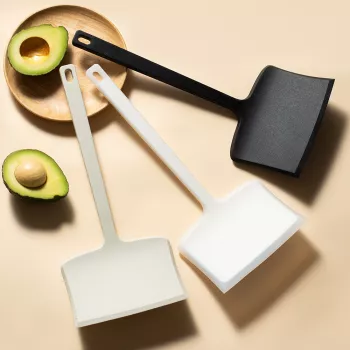
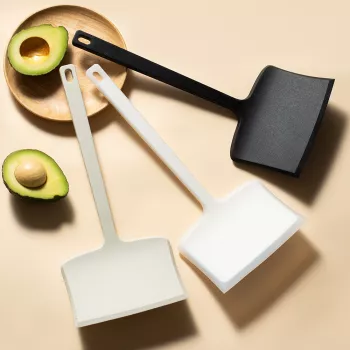
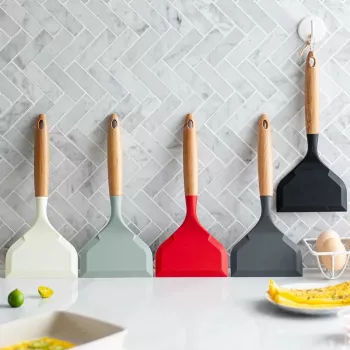
If the goal is everyday reliability without punishing your cookware, the Non-Stick Silicone Cooking Spatula is a straightforward upgrade. It’s suited for routine tasks like flipping eggs and pancakes, scraping sauces, and serving from coated pans—especially helpful when metal tools could nick non-stick or ceramic-coated surfaces.
More In-Stock Picks for a Functional Kitchen
FAQ
Is a silicone spatula safe for non-stick pans?
Yes—silicone is generally gentle on non-stick coatings and helps reduce scraping compared with metal. To keep pans in good shape, avoid sharp utensil edges, don’t exceed the spatula’s heat rating, and clean cookware with non-abrasive tools.
What heat can a silicone cooking spatula handle?
Heat resistance varies by product, so the safest approach is to check the manufacturer’s listed temperature rating. Even with a high rating, keep silicone away from direct flame and avoid resting it on a hot burner or against very hot pan sides for long periods.
Why does silicone sometimes hold odors or stains, and how can it be cleaned?
Oils and strong pigments can cling to silicone, especially if the utensil sits unwashed after cooking. Prompt washing helps; for lingering odor, soak in warm soapy water, and for stubborn smells or discoloration, try a baking soda soak followed by thorough rinsing and drying.
Recommended for you









Leave a comment