A straightener that combines MCH (metal ceramic heater) technology with ceramic plates is built to warm up quickly and distribute heat more evenly across the styling surface. That matters when you’re moving section-by-section and want fewer slowdowns, fewer re-dos, and a smoother glide that doesn’t snag. Below is a practical guide to how MCH ceramic heating behaves in real styling, what “4-in-1” typically covers, how to pick a temperature that matches your hair, and how to use and maintain your tool for consistent results with less unnecessary heat exposure.
What MCH ceramic heating means for styling
MCH heating elements are commonly chosen for rapid heat-up and stable temperature output, which can reduce the stop-and-go waiting time between sections. When heat output is steady, it’s easier to keep your pace consistent—especially on the back of the head where pausing mid-strand can overheat one spot.
Ceramic plate surfaces are also widely used because they tend to promote a smoother glide and a more uniform spread of heat across the plate face. When heat is distributed evenly, each pass can be more predictable, which supports a “fewer passes, better finish” routine.
Even the best heater and plates still depend on technique. Section size, pass speed, and starting hair condition matter as much as the hardware. For the cleanest results, start with fully dry, detangled hair and keep sections small enough that the plates can heat the strand evenly from root area to ends.
The “4-in-1” approach: straight, curl, wave, and volume
A 4-in-1 straightener is designed to do more than a pin-straight finish. With the right hand position and sectioning, it can help create several everyday looks without switching tools.
- Straightening: Use small, even sections and a steady glide from near the roots through the ends. Keep a safe distance from the scalp—avoid clamping too close to the skin.
- Soft curls: Rotate your wrist slightly as you glide through mid-lengths and ends, keeping consistent tension so the strand bends smoothly instead of kinking.
- Loose waves: Alternate curl direction by section for a more natural pattern. Let each wave cool fully before brushing or finger-combing to avoid flattening.
- Root lift and bend: Near the crown, use gentle shaping with minimal hold time so heat isn’t concentrated in one small area.
- Finish and set: Cooling matters. Let hair cool before manipulating, then use a light serum or anti-frizz spray to help manage flyaways—especially in humidity.
Temperature and hair type: choosing settings that make sense
Temperature is most effective when it’s matched to hair condition and paired with good sectioning. Fine, fragile, or color-treated hair typically responds better to lower heat and smaller sections rather than “turning it up” and risking dryness. Medium-density hair usually performs well at moderate temperatures with steady tension and a consistent glide.
Thick or coarse hair may require higher heat, but it still benefits from thin subsections—thin sections reduce repeat passes, which can lower total heat exposure. Curly or coily textures often do best with thorough drying and some stretching (like tension blow-drying or banding) before straightening to reduce time under direct heat.
If hair smells “toasty,” steams, or feels rough after a pass, lower the temperature and improve prep (dry fully, detangle, and reduce section size). For more hair-care guidance focused on damage prevention, the American Academy of Dermatology Association offers practical tips, and MedlinePlus (NIH) provides a helpful overview of hair and scalp health.
Quick temperature guide (general ranges)
| Hair type/condition |
Suggested approach |
Typical temperature range |
| Fine or damaged |
Low heat, very small sections, 1–2 controlled passes |
250–320°F (120–160°C) |
| Color-treated or dry |
Low–medium heat, heat protectant, prioritize prep |
300–360°F (150–180°C) |
| Normal/medium |
Medium heat, steady glide, minimal repeat passes |
340–390°F (170–200°C) |
| Thick/coarse |
Medium–high heat, thin subsections, firm tension |
380–450°F (190–230°C) |
How to use an MCH ceramic straightener for smoother results
Safety, hair health, and daily-use considerations
What to look for in a ceramic straightener beyond the heater type
Product picks for an organized, flexible styling setup
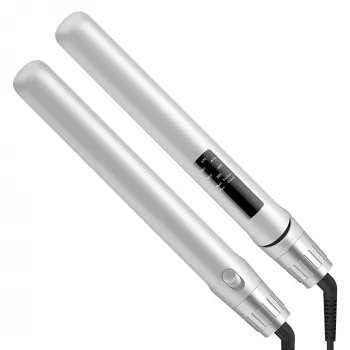
If you want an all-in-one tool for straight looks and quick shape changes, the MCH Ceramic 4-in-1 Hair Straightener is designed around MCH heating paired with ceramic plates for quick readiness and more even heat distribution during styling. The 4-in-1 format supports straightening, soft curls, waves, and gentle root shaping without switching tools.
For a tidier countertop and easier cord management during longer sessions, consider pairing your routine with the Hair Dryer Stand with Vertical Storage Rack, which helps keep hot tools and accessories in predictable places so you can move section-to-section without snagging or reaching across clutter.
At-a-glance details
FAQ
Is MCH heating better than traditional ceramic heaters for hair straighteners?
MCH heating often warms up faster and can hold temperature more steadily, which can make styling feel more consistent. Results still depend on plate quality, temperature control, and technique like section size and pass speed.
What temperature should be used to straighten hair with a ceramic straightener?
Most people do best by starting on the lowest effective setting and adjusting based on hair condition. Fine or damaged hair typically needs lower temperatures, while thick or coarse hair may require higher heat—paired with thinner sections and fewer repeat passes.
Can a 4-in-1 straightener really create curls and waves?
Yes—by rotating your wrist as you glide the plates through the hair, you can form soft curls and waves. Let sections cool fully before brushing out, and alternate curl direction to create looser, more natural-looking waves.
Recommended for you







Leave a comment