Soft Shad Duck Bait Silicone Topwater Crankbait (4in, 0.7oz): When to Throw It and How to Work It
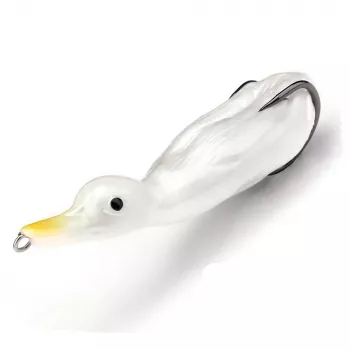
A duck-style topwater lure can trigger explosive strikes when fish are feeding shallow, guarding territory, or reacting to surface commotion. A 4-inch, 0.7-ounce silicone duck bait shines when you need a loud visual target that stays on top and crosses nasty cover without digging into grass or wood. Below is a practical, on-the-water guide to when it’s at its best, how to retrieve it around common targets, and what tackle choices help turn blowups into hooked fish. For more guidance, see Tackle Craft – Kansas 4-H.
What This Duck-Style Topwater Is Built to Do
A duck-profile topwater is a “big silhouette, easy meal” bait. Even when fish aren’t actually feeding on birds, the shape reads as vulnerable prey on the surface—something struggling, separated, or simply in the wrong place at the wrong time. For further reading, see U5L1-Spell-Checker.xml.
- Surface profile that suggests multiple prey types: small birds, injured baitfish, or any struggling creature skittering on top—especially useful when fish are looking up.
- Softer silicone body: the material can feel more natural when a fish bites, sometimes buying a fraction of a second before it spits—helpful on short strikes.
- Topwater path over trouble: it rides above grass, laydowns, reeds, and shallow flats where subsurface lures constantly hang up.
- 0.7 oz casting advantage: the weight helps you bomb casts, place the lure accurately, and keep control when wind or chop makes lighter topwaters hard to manage.
Best Situations: Where a Duck Bait Gets Bit
This style of lure is most consistent when fish are already oriented shallow and willing to react. Think “edges and lanes” where predators patrol and ambush.
- Calm to lightly rippled water: fish track the wake and commotion better, and you can read the strike and follow-up opportunities.
- Low-light windows: dawn, dusk, overcast skies, and shaded banks often flip the switch for surface aggression.
- Shallow cover edges: lily pad lines, emergent grass, dock walkways, flooded bushes, and timber lines are prime “cast tight and crawl it out” targets.
- Bluegill and bait activity: if panfish are popping the surface or bait is flicking along the bank, a surface lure often outperforms subsurface options.
- Post-spawn into summer: early/late feeding lanes and mid-day shade under canopy both set up perfectly for a steady topwater track.
For a deeper look at general topwater timing and conditions, see Take Me Fishing’s topwater tips and the how-to resources at Bassmaster.
How to Retrieve It: Cadences That Trigger Strikes
Duck-style topwaters reward patience. Many bites happen when the lure looks “alive but vulnerable,” not when it’s racing back to the boat.
- Slow crawl (steady V-wake): point the rod tip slightly down and reel just fast enough to keep a clean wake. This is deadly along shade lines, pad edges, and bank transitions.
- Stop-and-go: reel 3–6 turns, pause 1–3 seconds, then continue. The pause lets a trailing fish close distance and commit.
- Twitch-and-glide: add short rod-tip taps to break the rhythm, then let it settle. This can shine in clearer water or on pressured lakes where fish have seen nonstop steady retrieves.
- “Land and sit” tight to cover: make a pinpoint cast beside a stump, dock post, or grass clump and let the bait rest briefly before moving it. It looks like something that just fell in and is gathering itself.
- Strike timing: on a blowup, avoid the reflex hookset. Keep reeling until the line tightens or you feel weight, then sweep into the fish.
Gear Setup for a 0.7oz Topwater
A heavier topwater lets you fish more aggressively around cover, but you still want a setup that handles sudden surface surges and keeps treble hooks (or exposed points) pinned.
Key Specs and Quick Comparison Points
| Feature |
Details |
Why It Matters On The Water |
| Product |
Soft Shad Duck Bait Silicone Topwater Crankbait Fishing Lure |
Duck-style surface profile for aggressive shallow bites |
| Length |
4 in |
Visible target and larger silhouette in stained water or low light |
| Weight |
0.7 oz |
Long casts and better wind control; reaches shallow targets from a distance |
| Body Material |
Silicone |
Softer feel on the bite; can improve hold time before the fish lets go |
| Presentation |
Topwater |
Works over grass/wood with reduced bottom snagging |
Tips to Land More Fish (Common Misses and Fixes)
Care, Storage, and On-the-Water Handling
Shop In-Stock Picks
FAQ
What line works best for a 0.7oz topwater duck bait?
Braid is a top choice around grass and pads because it cuts vegetation and gives solid hooksets. Monofilament is great when you want extra buoyancy and a little stretch to keep fish pinned. Fluorocarbon is usually avoided as the primary line for topwater because it tends to sink and can hurt the lure’s action.
How long should the pause be after a blowup on a topwater lure?
Wait just long enough for the line to tighten or the rod to load—often a brief beat rather than an immediate hookset. If fish are slapping at it, extend the pause slightly; if they’re fully engulfing it, a shorter wait is usually enough.
When is a duck-style topwater better than a standard popper or walking bait?
It’s often better around shallow cover and tight banks where a larger silhouette and steady wake stand out. Duck-style profiles can also excel in low light, stained water, or whenever fish respond to “surface animal” commotion more than fast side-to-side walking.
Recommended for you










Leave a comment