A hooded thermal windbreaker is built for rides where wind bite and temperature swings can turn comfortable miles into a slog. This guide breaks down what matters most—wind protection, warmth, breathability, fit, and ride-ready details—so the jacket works on commutes, training loops, and shoulder-season adventures.
What This Jacket Is Designed to Do
- Block wind chill during descents and exposed sections where airflow strips heat quickly.
- Add light-to-moderate insulation so core temperature stays steadier in cool conditions.
- Maintain mobility in a cycling position with a shape that doesn’t bunch at the waist or shoulders.
- Handle variable weather with a hooded design and quick layer-on/layer-off practicality.
- Support day-to-day riding: commuting, fitness rides, and stop-and-go city conditions.
Wind matters as much as the thermometer. Even a “not that cold” day can feel harsh once speed and gusts stack the odds against you. For a quick reality check on how wind changes perceived cold, NOAA’s Wind Chill Chart is a useful reference when planning layers.
Key Features That Matter on the Bike
- Windproof outer layer: Reduces convective heat loss, especially on faster segments and descents where chill builds fast.
- Thermal lining: Helps retain warmth without always needing a bulky mid-layer in milder cold.
- Hooded coverage: Adds protection for head/neck transitions between riding and off-bike moments (warming up pre-ride, waiting at lights, grabbing coffee).
- Breathability balance: Aims to limit sweat buildup during efforts while still blocking wind.
- Zipper and collar usability: Easier on/off with gloves and stable coverage around the neck when fully zipped.
- Pocket function: Secure storage for essentials like keys, cards, or compact tools (verify pocket layout before purchase if it’s critical for your setup).
- Visibility considerations: Darker jackets often benefit from reflective add-ons or a bright helmet/light setup for low-light riding.
Fit, Sizing, and Ride Position
Fit is where a cycling-specific windbreaker earns its keep. A jacket can be warm and windproof, yet still feel wrong if it binds at the shoulders or balloons in crosswinds.
- Cycling posture compatibility: Sleeves and shoulders should allow a comfortable reach to the bars without pulling tight across the back.
- Layering room: Plan for a base layer plus (optionally) a thin jersey; avoid excess slack that flaps and whistles when the wind picks up.
- Hem and cuff control: A closer seal reduces drafts; overly loose cuffs can funnel cold air up the arm during descents.
- Hood practicality: A hood should sit comfortably when off-bike; if riding with the hood up, make sure it doesn’t limit peripheral vision or head rotation.
- Sizing tip: If between sizes and planning thicker layers underneath, consider sizing up; for a close, training-oriented fit, stay true-to-size.
If you’re uncertain about helmet compatibility and safe positioning, the Bicycle Helmet Safety Institute’s guide on helmet fit and use is a solid refresher—especially if you plan to use the hood around a helmet.
When to Wear It: Temperature and Conditions Guide
- Best use cases: Windy days, cool mornings, shaded routes, and fast downhill segments.
- Works well for: Early spring, late fall, and mild winter rides depending on intensity and layering.
- High-output rides: Pair with a moisture-wicking base layer to manage sweat; open the zipper on climbs if needed.
- Wet conditions: Windproof doesn’t always mean waterproof—use a dedicated rain shell in sustained rain.
- Stop-and-go commutes: Thermal windbreakers help prevent getting chilled at traffic lights and during long coasts.
Quick Layering Suggestions by Riding Conditions
| Conditions |
Suggested Layers Under the Jacket |
Notes |
| Cool + windy (steady pace) |
Wicking base layer + light jersey |
Prioritize wind blocking; keep sweat manageable |
| Cold + windy (easy to moderate pace) |
Thermal base layer + long-sleeve jersey |
Add a neck gaiter if drafts are an issue |
| Variable temps (commute, mixed effort) |
Wicking base layer |
Use zipper to vent on climbs and warm stretches |
| Dry but very fast descents |
Base layer + jersey (optional) |
Wind chill rises with speed; close cuffs and collar |
Comfort and Performance Details to Look For
Care and Long-Term Use
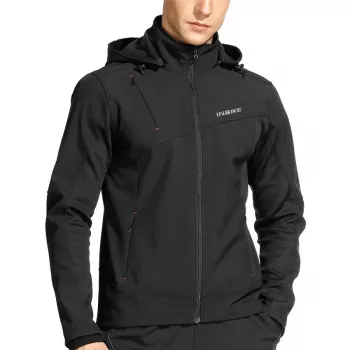
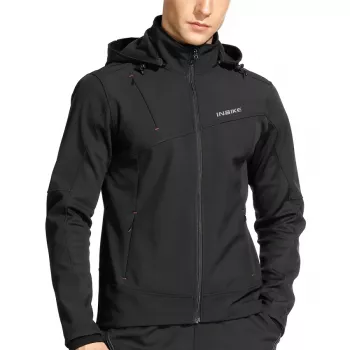
If a basic windbreaker feels too thin once temperatures drop and gusts pick up, a thermal windproof layer is the upgrade that keeps rides enjoyable instead of punishing. The Men’s Cycling Windbreaker – Hooded Thermal Windproof Jacket is built for cold, windy riding with a hooded thermal design that helps smooth out temperature swings between exposed roads and sheltered sections. It’s a practical choice for commuting, training rides, and casual cycling when breezes are constant and descents are chilly.
More In-Stock Picks
FAQ
Is a thermal windproof cycling jacket enough for winter riding?
It depends on the temperature, wind, and how hard you’re riding. In many winter conditions, pairing the jacket with a thermal base layer works well, but in deeper cold you may want a mid-layer or a more insulated piece—windproofing helps most once you’re moving.
Can a hooded cycling jacket be worn with a helmet?
Some hoods can fit under or over a helmet depending on the cut and bulk, but it should never restrict peripheral vision or safe head movement. If the hood interferes, it’s best used off-bike for warmth during stops.
How should a cycling windbreaker fit to avoid flapping in the wind?
Aim for a close fit through the torso and arms with just enough room for a base layer. Secure cuffs and a snug hem help seal out drafts, while overly loose fabric tends to catch crosswinds and create noise and drag.
Recommended for you









Leave a comment