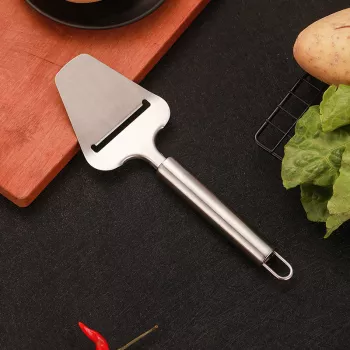
Neat slices can change how a sandwich stacks, how evenly butter melts on toast, and how polished a snack board looks. The Stainless Steel Handheld Cheese & Butter Slicer with Ergonomic Grip is a compact, everyday tool designed to portion cheese or butter into consistent slices without crushing softer textures. With a stainless steel build for regular kitchen use and a hand-friendly grip for steadier handling, it fits quick prep moments—breakfast, lunch packing, and last-minute entertaining—without taking over a drawer.
What It Is and When It’s Most Useful
This handheld slicer is made for portioning cheese and butter into even slices with a simple, direct motion. It’s especially helpful when speed and consistency matter—like building multiple sandwiches, portioning butter for baking, or setting out clean slices for a charcuterie-style spread.
- Handheld slicer designed for portioning cheese and butter into even slices
- Helpful for fast sandwich assembly, toast toppings, baking prep, and charcuterie-style serving
- A good fit for small kitchens and minimal-drawer setups thanks to its compact footprint
- Works best when the food is properly chilled to reduce sticking and crumbling
For entertaining, small details add up. If you’re refreshing a breakfast nook or dining area for guests, a warm, natural-looking fixture like the Handmade Wabi Sabi Rattan Pendant Light pairs nicely with a simple serving setup—clean slices, a cutting board, and a calm, inviting table.
Design Highlights That Affect Performance
Not all slicers feel the same in use. A few design choices make a practical difference when you’re working with cold butter, semi-firm cheddar, or softer cheeses that can tear.
- Stainless steel construction supports durability and easy wipe-down after use
- Ergonomic grip aims to improve control when slicing firmer cheeses or cold butter
- Handheld format offers direct feedback and control compared with large board-style slicers
- Simple tool profile makes it easier to store than bulkier wire cutters or slicing boards
Stainless steel is widely used for kitchen tools because it holds up well to moisture and frequent washing. For a quick overview of why it’s so common in food and household applications, see this stainless steel reference from AZoM.
How to Get Clean, Even Slices
Clean slices are mostly about temperature and technique. When dairy is too warm, it smears; when it’s too hard, it can fracture or skid. Aim for “cold and sliceable,” then focus on steady pressure.
- Chill butter or soft cheese for cleaner cuts; very warm dairy tends to smear
- Use steady, even pressure rather than forcing the blade through in one push
- For crumbly cheeses, take slower passes and consider slightly thicker slices to reduce breakage
- If sticking occurs, briefly rinse the slicer in cool water and dry before continuing
- For serving boards, slice on a stable cutting surface to keep thickness more consistent
A practical rhythm: slice two to four pieces, wipe the metal surface, then continue. This small pause helps maintain smooth passes, especially with buttery cheeses or higher-fat styles.
Cheese and Butter Pairing Guide
Different cheeses behave differently under a slicer. Soft cheeses benefit from a quick chill; semi-firm cheeses tend to slice most predictably; very firm or aged cheeses often reward slower, shorter strokes. Butter tends to slice best when it’s cold from the fridge but not rock-hard.
Best Results by Food Type
| Food |
Best Temperature |
Suggested Approach |
Typical Outcome |
| Butter |
Cold (refrigerated) |
Steady pressure; wipe blade between passes if needed |
Toast-ready slices with minimal smearing |
| Soft cheese (e.g., mozzarella) |
Chilled |
Gentle passes; avoid pressing too hard |
Cleaner slices, less tearing |
| Semi-firm cheese (e.g., cheddar) |
Cool to room temp |
Even strokes on a stable board |
Consistent slices for sandwiches |
| Crumbly cheese (e.g., aged styles) |
Chilled |
Slower strokes; slightly thicker slices |
Reduced crumbling vs. thin cuts |
Cleaning, Care, and Food-Safe Handling
Dairy fats can leave a film if they dry on the surface, so quick cleaning is worth it. A simple wash also helps keep slices tasting fresh—especially when switching between different cheeses.
- Wash promptly after use to prevent dairy fats from drying onto the metal surface
- Use warm water and mild dish soap; dry fully to keep the finish looking its best
- Avoid abrasive pads if the goal is to preserve a smooth surface over time
- Keep the slicer stored dry and separate from heavy items that could bend edges
- Follow basic food-safety practices when handling dairy, including minimizing time at room temperature
For safe handling basics—especially if cheese and butter will sit out during parties—time and temperature guidance from the U.S. Food & Drug Administration and cold storage tips from the USDA are useful references.
Who It’s For
This tool makes the most sense for everyday kitchen routines where portioning shows up again and again. It’s also an easy add-on gift because it’s compact, practical, and doesn’t require a learning curve.
Common Issues and Quick Fixes
FAQ
Can this slicer handle both cheese and butter?
Yes. Use colder butter for cleaner slices, and briefly chill softer cheeses to reduce smearing; then adjust pressure depending on how firm the dairy is.
How do you prevent butter or cheese from sticking to the slicer?
Chill the food first, use steady pressure, and wipe or quickly rinse the metal surface between slices. Drying the slicer before continuing helps keep each pass smoother.
Is stainless steel safe for food contact and easy to maintain?
Yes—food-contact stainless steel is commonly used for kitchen tools. Wash with mild soap and water, dry fully after cleaning, and avoid harsh abrasives to help preserve the finish over time.
Recommended for you











Leave a comment