Cozy Cat Bed Cave: A Warm Hideaway for Rest, Security, and Better Sleep
Cats naturally seek sheltered, den-like spaces to relax, watch the room, and recharge without feeling exposed. A soft cave-style bed combines warmth, privacy, and a defined sleeping spot that can reduce roaming and help keep fur off furniture. Below is a practical guide to what makes a good cave bed, how to choose the right size and placement, and simple ways to help a cat actually use it.
Why cats gravitate to cave-style beds
A cave bed taps into everyday feline preferences: cover overhead, a protected “back wall,” and a consistent place to settle. That sense of enclosure can make rest feel safer, especially in homes with visitors, kids, or lots of activity.
- Creates a sheltered “hide” that supports a cat’s preference for covered resting spots
- Helps block drafts and light, which can encourage longer naps and deeper rest
- Can reduce stress in busy homes by giving cats a predictable retreat
- Supports multi-cat households by offering a defined personal space
For more on why predictable “safe spots” matter, helpful enrichment guidance is available from The Ohio State University Indoor Pet Initiative and stress resources from International Cat Care.
What to look for in a cozy cave bed
The best cat caves feel snug without collapsing, warm without getting stuffy, and stable enough that a cat doesn’t startle when stepping in. A well-designed cave also makes cleaning realistic—because lingering odors can make a bed “invisible” to picky sleepers.
- A structure that stays open enough for easy entry while still feeling enclosed
- Soft interior surface for kneading and settling, with insulation that retains warmth
- Non-slip or stable base to prevent sliding on tile or hardwood floors
- Breathable materials to avoid overheating, especially for long-haired cats
- Easy-care surfaces (washable cover or simple spot-cleaning) to manage fur and dander
Quick checklist for a comfortable, stable cat cave
| Feature |
Why it matters |
What to verify at home |
| Supportive shape |
Helps the bed keep a cave feel without collapsing |
Opening stays accessible when the cat steps on the edge |
| Soft, warm lining |
Encourages use and comfort |
Cat chooses it over a blanket or sofa corner |
| Stable base |
Prevents startle moments and avoidance |
Doesn’t skid when nudged or when the cat jumps in |
| Appropriate size |
Cats avoid beds that feel cramped or too exposed |
Cat can turn around and tuck in comfortably |
| Easy cleaning |
Reduces odors that can discourage use |
Hair can be removed; odors don’t linger after cleaning |
If your cat routinely naps under chairs, inside closets, or behind couch cushions, a dedicated cave bed can turn that preference into a cleaner, more consistent routine.
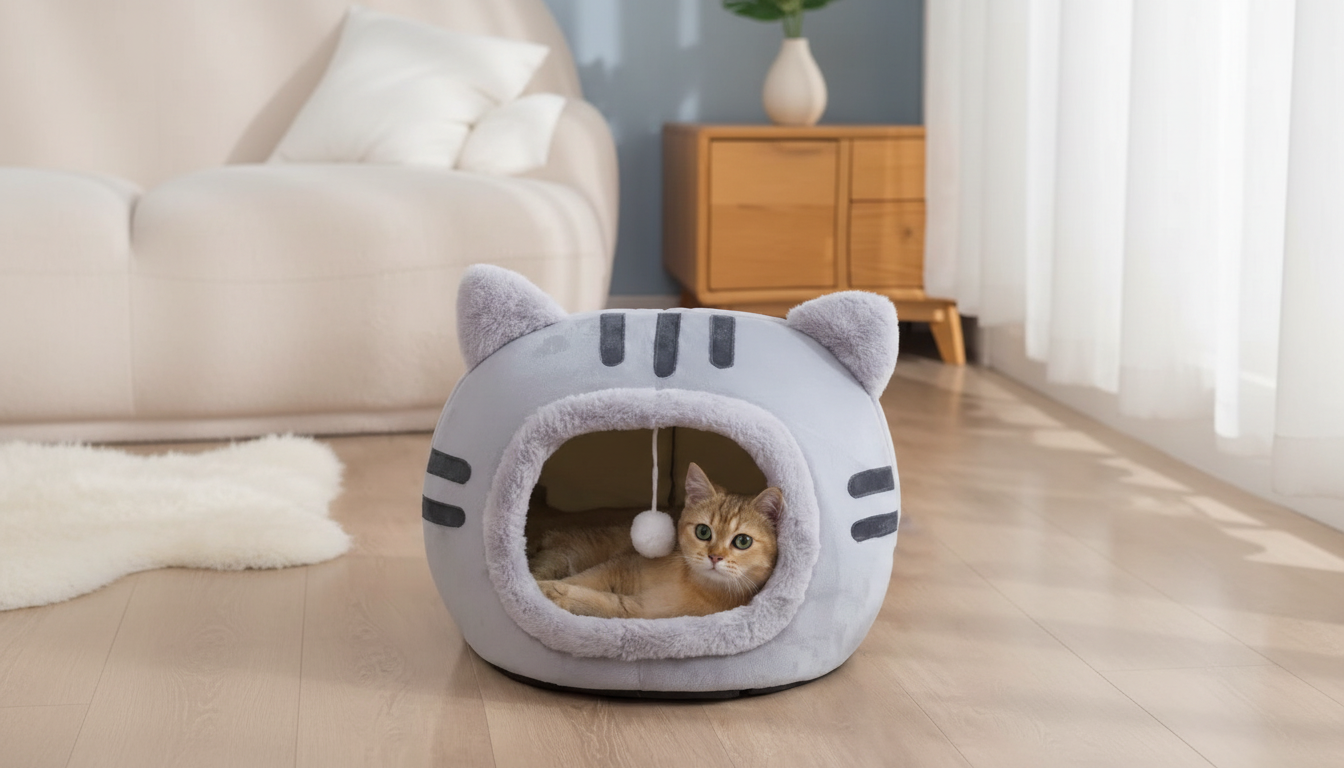
- Designed to provide a plush, enclosed sleeping nook that feels like a private den
- A practical option for cats that prefer covered spaces or hideaways during noisy times
- Works well in common nap zones such as living rooms, bedrooms, or quiet corners
- An affordable upgrade for adding a dedicated resting spot without changing the whole room setup
To add a warm hideaway without rearranging your space, see the Cozy Cat Bed Cave.
Choosing the right size and setup
Size is less about your cat’s weight and more about how they sleep. Most cats want to curl, tuck paws, and press into the sides—while still being able to rotate and resettle.
- Measure the cat’s curled-up sleeping diameter; choose a cave that allows a small amount of extra room for turning
- For kittens: consider future growth if the bed is meant to last into adulthood
- For large or long-bodied cats: prioritize interior space and a wider opening to prevent reluctance
- If a cat likes to sprawl, place a flat mat or blanket nearby as an alternative nap surface
A simple test: your cat should be able to enter without crouching uncomfortably, turn around inside, and settle without forcing the roof to collapse downward.
Where to place a cave bed so it actually gets used
Placement often matters more than the bed itself. A cave can be perfect on paper, but ignored if it’s too exposed, too drafty, or too isolated from the household “heartbeat.”
To make the corner feel calmer at night without harsh overhead glare, a soft ambient option like the Handmade Wabi Sabi Rattan Pendant Light can help create a consistent “quiet zone” routine.
Helping a cat warm up to a new bed
Enrichment basics—like letting cats control interactions and giving them choices—are also emphasized by the ASPCA’s cat enrichment guidance.
Care, cleaning, and keeping it fresh
For households that prefer a tidy “cat station,” keeping brushes, lint rollers, and wipes organized nearby (and off counters) can be easier with the Hair Dryer Stand with Vertical Storage Rack repurposed as vertical storage.
Safety and comfort notes for different cats
FAQ
Do cats like enclosed cave beds?
Many cats do, because the cover and side walls feel protective and help block light and drafts. Whether they use it consistently often comes down to stable placement, familiar scent, and an opening that’s easy to enter.
How do you get a cat to use a cave bed?
Place it near a spot your cat already uses, add a familiar-smelling blanket, and reward any calm investigation with small treats. Avoid placing your cat inside the bed; letting them choose it builds long-term comfort.
Where should a cat cave bed be placed?
A quiet corner with low foot traffic, away from cold drafts or blasting vents, is usually ideal. Many cats prefer a protected placement that still offers a line of sight into the room.
Recommended for you










Leave a comment