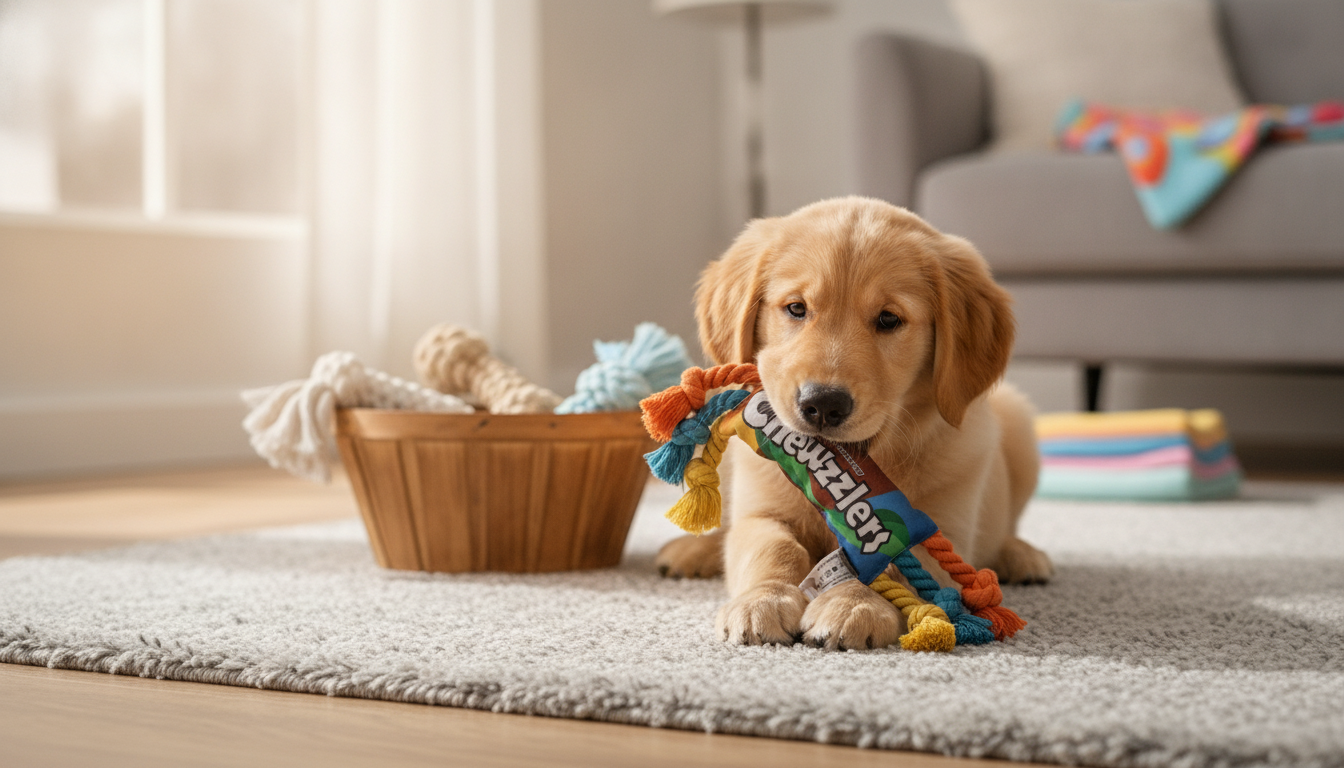
Durable Braided Rope Chew Toy for Puppies: Colorful Cotton Knot Bone for Tug, Teething, and Training
A sturdy rope toy can do more than entertain a puppy—it can redirect teething, support gentle tug play, and add structure to training sessions. This colorful cotton knot bone is designed for daily chew time while being easy to grip for both puppies and humans. With the right supervision and a quick safety check before each play session, a braided cotton rope can become a reliable go-to for burn-off energy, practice manners, and settle down afterward.
What This Rope Toy Is Designed to Do
Puppies explore the world with their mouths, especially during teething. A rope toy with a satisfying texture can help channel that normal urge into a safer, appropriate outlet.
- Offer a satisfying, safer alternative to chewing household items during teething phases
- Support interactive play like tug and fetch to burn energy and build engagement
- Provide texture that helps scrape away light buildup on teeth during supervised chewing
- Encourage calm “settle and chew” moments after walks, meals, or training
For general toy-safety best practices—like choosing the right size and monitoring wear—resources such as the American Kennel Club’s guidance on choosing safe dog toys are a helpful reference point.
Material and Build: Braided Cotton With Knotted Ends
This type of toy typically relies on braided cotton strands and firm knots to create a shape that’s both chewable and easy to hold. Braiding spreads tension across multiple strands, while the knotted ends act like natural handles.
- Braided cotton construction helps distribute pulling force across strands for better durability
- Knot-bone shape creates natural “handles” for tug games and easier carry for small mouths
- Colorful weave improves visibility on floors, grass, and rugs so the toy is easier to find
- Best for supervised play; remove if strands unravel or pieces become easy to swallow
If chewing is turning into a habit of grabbing socks, table legs, or baseboards, it can also help to pair toys with consistent behavior routines. The ASPCA’s tips on common dog behavior issues offer practical context for managing chewing and play in everyday life.
Best Uses: Teething, Tug, and Gentle Fetch
A rope toy works best when it’s used with a purpose—short sessions, clear rules, and a predictable start-and-stop. That structure keeps play fun while reducing rough grabbing or overstimulation.
- Teething support: offer short chew sessions to redirect nipping and mouthiness
- Tug play: use slow, controlled tug with frequent “drop it” breaks to reinforce manners
- Fetch practice: the knotted shape makes it easy to pick up and bring back
- Crate-time comfort: a supervised chew session before rest can help puppies settle
For puppy care basics that support healthy development—like appropriate activity, feeding, and routine—visit the AVMA pet owner resources.
Featured Items Available Now
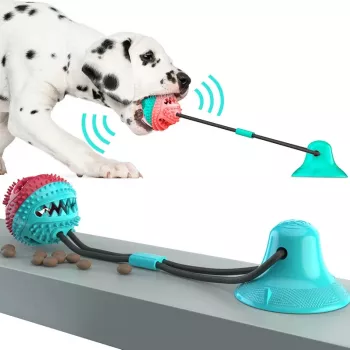
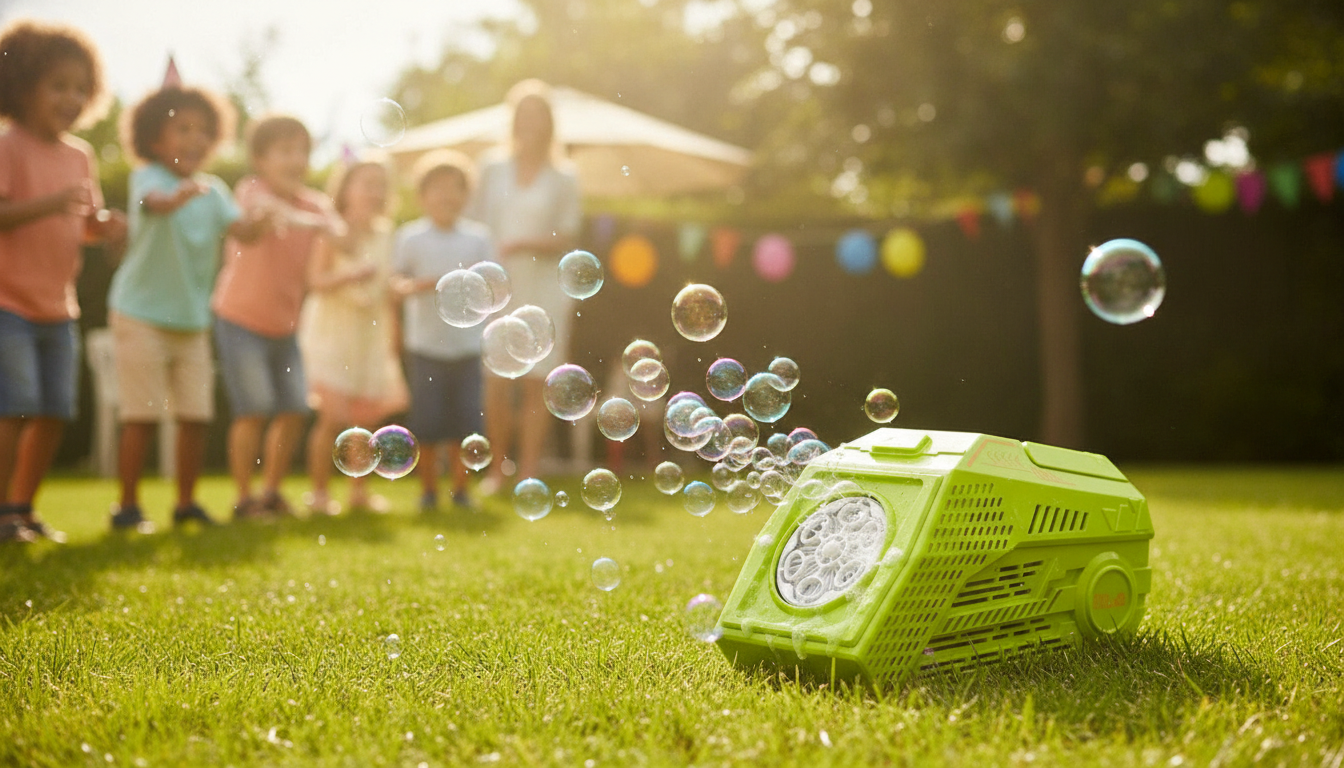
If you’re building a simple play-and-training kit, these in-stock items can help cover both chew time and interactive outdoor fun.
Sizing, Supervision, and Safety Checks
Rope toys are simple, but the safety details matter—especially for puppies who are still learning how to chew appropriately. When selecting and using a cotton rope toy, focus on three things: size, condition, and how it’s used.
- Choose a toy size that cannot be fully swallowed; when in doubt, size up
- Inspect before each session for fraying, loose knots, or thinning strands near the middle
- Set a time limit for enthusiastic chewers; rotate toys to reduce over-chewing and wear
- Avoid tugging upward sharply to protect developing teeth and necks; keep play level and gentle
Supervision is especially important for puppies that “saw” at rope fibers or work persistently at knots. If the toy starts shedding strings, retire it rather than trying to stretch its lifespan.
Care and Maintenance for Longer Toy Life
Cotton rope toys can pick up dirt and saliva quickly, particularly with outdoor play. A consistent cleaning and drying routine helps keep the toy fresher and reduces the chance of odor or mildew.
- Shake out debris after outdoor play and rinse if dirt collects between braids
- Air-dry completely after cleaning to discourage odor and mildew
- Store in a dry spot; avoid leaving damp rope toys in crates or closed bins
- Retire the toy if strings become long enough to wrap around paws or be swallowed
Quick Care Guide
| Task |
How to Do It |
How Often |
| Daily inspection |
Check knots, braid tightness, and any loose strands before play |
Before each session |
| Basic cleaning |
Rinse with warm water; lightly scrub; avoid harsh cleaners |
Weekly or after muddy play |
| Drying |
Squeeze out water and air-dry fully (do not store damp) |
After each wash |
| Replacement |
Discard if large frays, missing chunks, or long strings appear |
As needed |
Making It Part of Training and Daily Routine
Who This Toy Fits Best (and When to Choose Another Type)
FAQ
Is a cotton rope toy safe for teething puppies?
It can be safe when it’s correctly sized, used under supervision, and inspected often. Remove the toy if it frays, develops long strings, or starts shedding pieces that could be swallowed, and avoid unsupervised chewing for determined shredders.
How do you clean a braided rope dog toy?
Rinse it with warm water, lightly scrub to loosen grime, and skip harsh cleaners that can leave residue. Let it air-dry completely before storing, and clean more often if the toy is used outdoors or gets muddy.
When should a rope toy be replaced?
Replace it if you see unraveling knots, thinning braid areas, long loose strands, or chunks coming off. If there’s any risk your dog could swallow fibers or wrap strings around paws, it’s time to retire the toy.
Recommended for you










Leave a comment