Compact Instant Hot Water Dispenser with Temperature Control and Mini Pump: What to Expect
A compact instant hot water dispenser can deliver hot water on demand without waiting for a kettle to boil. With temperature control and a mini pump, it’s designed for faster pours, more consistent drink prep, and a smaller countertop footprint—especially useful for tea, coffee, baby formula, and quick meals.
How a compact instant hot water dispenser works
Unlike traditional kettles that heat a full volume of water, many compact instant dispensers warm water rapidly as it moves through an internal heating pathway. That “heat-as-you-dispense” approach can make small, repeated servings feel nearly immediate—handy when you’re topping off a mug throughout the day.
- It heats water quickly as it flows through the unit rather than boiling an entire kettle.
- A mini pump helps push water from the tank through the heating system to the spout for steadier output and fewer pauses.
- Temperature control supports dispensing closer to a chosen target instead of only “near-boiling.”
- It’s typically optimized for single-serve or small-volume draws rather than filling a large pot at once.
Temperature control: why it matters for different drinks and tasks
Temperature isn’t just a preference—it changes flavor, extraction, and usability. A temperature-controlled dispenser helps you get more repeatable results: gentler water for delicate teas, hotter water for hearty instant meals, and targeted warming for tasks where “boiling” is unnecessary.
- Lower temperatures can reduce bitterness and help prevent scorching delicate teas and instant drink mixes.
- Higher temperatures are better for black tea, instant noodles, oatmeal, and preheating mugs or thermoses.
- If preparing baby formula, temperature accuracy and safe handling are critical; always follow formula brand instructions and local health guidance.
- Readable controls matter in busy kitchens and office breakrooms where you want quick, confident adjustments.
Common temperature ranges and typical uses
| Temperature range |
Typical uses |
Notes |
| 40–60°C |
Warming water, some formula prep steps |
Use guidance from formula manufacturer; avoid storing prepared formula at unsafe temperatures. |
| 70–85°C |
Green tea, oolong, instant drinks |
Helps reduce bitterness for some teas. |
| 90–100°C |
Black tea, instant noodles, oatmeal |
Use caution to prevent scalds; preheat cups carefully. |
Compact design benefits (and trade-offs)
Counter space is often the deciding factor. A compact dispenser can slide into a corner where a full-size boiler or kettle setup feels cluttered, but the smaller footprint usually comes with a smaller tank and more frequent refills.
- A smaller footprint can fit in tight spaces like dorms, RV counters (with correct power), or office stations.
- Faster access to hot water can reduce repeated kettle refills and waiting time.
- Compact tanks may need refilling more often than larger countertop dispensers.
- If multiple people dispense back-to-back, pay attention to recovery time and whether flow stays steady during repeated draws.
220V power considerations
Voltage compatibility is non-negotiable for safe performance. If a unit is rated for 220V, it needs the right outlet and a setup that matches local electrical standards.
- Confirm the outlet voltage matches the dispenser’s 220V rating before purchase and use.
- If you’re in a region with different standards, use only properly rated electrical solutions approved for the appliance’s wattage and local code (not a basic travel adapter).
- Place the unit on a stable, dry surface with clearance around vents (if any) to reduce overheating and moisture exposure.
- Avoid extension cords unless they are heavy-duty and rated for the appliance’s load.
Mini pump dispensing: what it changes in everyday use
A mini pump can make dispensing feel more controlled. Instead of an uneven pour that surges or pauses, pump-assisted flow is often steadier—useful when you’re filling a narrow mug, a measuring cup, or a small bottle.
Everyday setup and best practices
Cleaning, descaling, and long-term care
Safety notes for hot-water appliances
Instant hot water is convenient, but it’s still hot water—treat it with the same care you would boiling liquid. For scald prevention best practices, review guidance from the U.S. Consumer Product Safety Commission (CPSC).
For infant feeding safety and formula preparation basics, consult guidance such as the World Health Organization (WHO) and your local health authority.
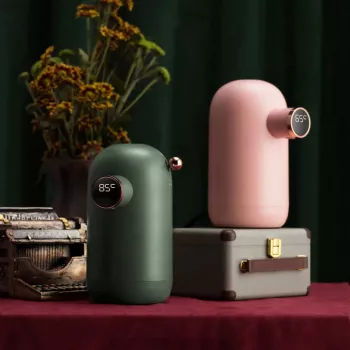
If you want fast hot water without dedicating a lot of countertop space, the Compact 220V Instant Hot Water Dispenser with Temperature Control & Mini Pump is built around a compact form factor intended for quick access—without boiling a full kettle. Temperature control supports more consistent results for tea, coffee, and quick meals, while the mini pump design aims to keep dispensing smooth for smaller-volume pours.
For a complementary countertop refresh—especially if this dispenser lives in a coffee or tea station—consider pairing it with warm, ambient lighting like the Handmade Wabi Sabi Rattan Pendant Light.
FAQ
Is an instant hot water dispenser better than an electric kettle?
An instant dispenser can be faster for repeated small servings and may offer more precise temperature settings, while a kettle is often simpler and can be easier to clean. If you frequently pour one cup at a time, a dispenser can feel more convenient; if you regularly heat larger volumes, a kettle can be a better fit.
How often should a hot water dispenser be descaled?
It depends on your water hardness and usage, but many households find a monthly to quarterly routine works well. If you notice slower flow, odd taste, or less consistent temperature, it’s a good sign descaling is due—always follow your unit’s instructions.
Can a temperature-controlled dispenser be used for baby formula?
It can be used as part of the process, but safety guidance varies by formula and local recommendations. Follow the formula manufacturer’s instructions and applicable health authority guidance, and prioritize hygienic preparation and safe temperatures.
Recommended for you








Leave a comment