Birkenstock Women’s Black Suede Slippers for Cozy Fall and Winter Days
Cold-weather comfort starts at home. Suede slippers can feel warm and soft while still offering the kind of underfoot support that makes long mornings, work-from-home days, and quick outdoor steps more comfortable. This guide covers what to look for in women’s suede slippers for fall and winter and how this Birkenstock pair fits into a cozy routine. For more guidance, see Birkenstock Arizona Shearling Suede Leather Sandal Pink ….
What makes suede slippers a smart cold-weather choice
When temperatures drop, slippers tend to do more than just keep feet from touching cold floors. Suede is a practical upper material for fall and winter because it balances comfort, structure, and a tidy look. For further reading, see Birkenstock zermatt premium shearling color mink o tea ….
- Warmth without heavy bulk: suede helps cut the chill while staying flexible for indoor wear.
- Soft feel with a structured look: it works for loungewear but also looks put-together when friends or family stop by.
- Season-to-season versatility: suede pairs well with socks in winter and can be worn barefoot when the house is warmer.
- Better traction than thin-soled house shoes: a sturdier outsole helps when moving between hardwood, tile, and rugs.
For shoppers who prioritize support, it also helps to look for a footbed-style build rather than an ultra-flat foam base. General footwear guidance from the American Podiatric Medical Association highlights the value of supportive, stable footwear—habits that can matter even at home when you’re on your feet for long stretches.
A closer look at the Birkenstock women’s black suede slippers
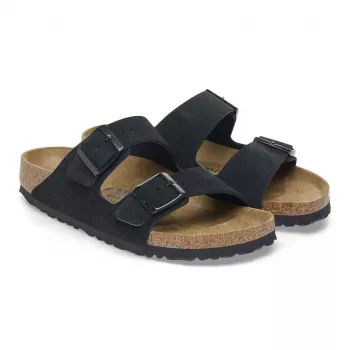
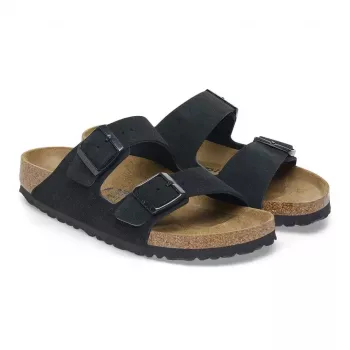
If a slipper is going to be worn daily through fall and winter, it needs to feel good for hours—not just a few minutes. The Birkenstock Women’s Black Suede Slippers for Fall/Winter Comfort are built with that everyday rhythm in mind.
- Suede upper: offers a cozy, premium feel that suits fall and winter wear.
- Easy-to-style black colorway: works with robes, leggings, joggers, and neutral lounge sets without looking overly “sleepy.”
- Made for longer indoor wear: ideal for morning routines, WFH days, and housework.
- Supportive footbed-style build: helps reduce the “flat slipper” fatigue some people notice with thin, cushion-only designs. For more on this style of construction, see Birkenstock’s overview of their footbed design.
Quick comfort checklist for daily wear
Quick comfort checklist for daily wear
| Feature |
Why it matters in fall/winter |
What to check before buying |
| Suede upper |
Feels warm and soft; blocks drafts better than thin fabrics |
Look for a smooth, even nap and a snug-but-not-tight fit |
| Supportive footbed feel |
Helps with all-day indoor standing and chores |
Arch and heel should feel stable, not wobbly |
| Secure hold |
Prevents sliding on stairs or slick floors |
Foot should not lift excessively at the heel |
| Indoor traction |
Reduces slips on hardwood/tile |
Outsole should have visible grip pattern |
| Cold-weather styling |
Pairs with socks and loungewear easily |
Room in the toe area for thicker socks if desired |
Fit and sizing tips for colder months (especially with socks)
Fit becomes more noticeable in winter because socks change how the upper and footbed feel. A little planning helps prevent the most common issues: heel slip, toe pressure, and an overly loose “cloppy” step.
- Plan for sock thickness: aim for a fit that stays secure without compressing the forefoot. If thick socks are the norm, prioritize toe-room.
- Heel stability matters: excessive heel lift often means the size is too large or the shape isn’t a match for your foot.
- Toe comfort is non-negotiable: if the front feels tight with winter socks, the slipper will feel even worse after a long day of wear.
- Break-in expectations: suede can relax slightly, so a too-loose start rarely improves; “almost slipping” usually becomes “slipping.”
Comfort details that matter when temperatures drop
Winter comfort isn’t only about warmth—though warmth helps. It’s also about how a slipper supports the small, repetitive tasks that add up across a day.
- Indoor-to-porch practicality: a sturdier slipper build can be helpful for quick steps outside to grab the mail, take out the trash, or walk the dog briefly.
- Standing comfort: supportive slippers can feel better for cooking, cleaning, and standing at a desk compared with thin house shoes.
- Warmth strategy: pair slippers with wool or thermal socks for extra insulation without needing an overly thick, overheated slipper.
- Floor type considerations: on cold tile, socks can make a bigger difference than a bulky slipper. If there’s room, a soft insole layer can add a touch of insulation.
How to care for black suede slippers in wet, gritty winter weather
Who these slippers suit best (and when to choose something else)
More cozy home finds to pair with a fall/winter routine
FAQ
Can suede slippers be worn outside in winter?
Brief outdoor steps can be fine when the sole is sturdy and you avoid slush, salt, and wet snow. For extra peace of mind, use a suede protector spray and let the slippers fully air-dry if they pick up moisture.
Do suede slippers stretch over time?
Yes, suede can relax slightly with regular wear. A secure fit from the start is important, especially if you’ll be wearing thicker socks in colder months.
How do you clean black suede slippers without fading them?
Use a suede brush for dry dirt, then blot spots gently instead of rubbing. Avoid soaking and direct heat, and use suede-specific cleaners only after testing on a small, hidden area.
Recommended for you







Leave a comment