A newborn’s daily care routine is simpler when the essentials are gathered in one coordinated set. This newborn baby bath set combines gentle grooming and comfort items—drool towel, soft socks, a baby-safe rattle, and a brush—designed to support everyday moments like post-bath cuddles, quick cleanups, and soothing before sleep.
If you’re building a practical starter kit (or refreshing a second station for the living room or diaper bag), a ready-to-use bundle helps keep small necessities within reach—especially during those frequent, unpredictable newborn changes.
What’s Included and What Each Piece Is For
Each item in a bath-and-care set earns its place by solving a common “right now” need: wiping, warming, calming, and gentle grooming.
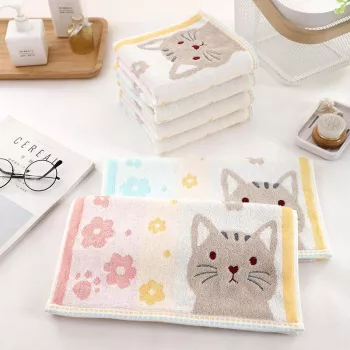
- Drool towel: useful for burping, wiping milk dribbles, and keeping clothing dry during feeds.
- Baby socks: helps keep tiny feet warm, especially after baths or during naps in cooler rooms.
- Rattle: supports early sensory engagement through sound and grasping practice.
- Brush: intended for gentle scalp and hair care; helps smooth baby hair and can be used for light cradle-cap routines when paired with pediatric guidance.
Set Components at a Glance
| Item |
Best used for |
Helpful tip |
| Drool towel |
Feeding cleanups, burping, spit-up |
Keep one in the diaper bag and one near the changing area |
| Socks |
Warmth after baths and during sleep |
Check that cuffs are snug but not tight around ankles |
| Rattle |
Calm play, tummy-time motivation |
Use short play bursts and store out of crib during sleep |
| Brush |
Gentle grooming and scalp care |
Use soft strokes; stop if skin looks irritated |
Why a Coordinated Baby Care Set Helps
Newborn care is a loop of small tasks—feed, wipe, change, soothe, repeat. A coordinated set keeps the basics together so the routine feels calmer and more consistent.
- Less last-minute searching: small essentials stay paired instead of drifting into different drawers.
- Smoother routines: bath, dry, dress, soothe, and settle becomes more predictable for baby and caregivers.
- Easier handoffs: parents, grandparents, and babysitters can follow the same steps with the same tools.
- Space-friendly: fewer separate purchases and less packaging to store—helpful for apartments or shared spaces.
Comfort and Safety Notes for Newborn Use
Even simple items work best when used thoughtfully. Keep newborn comfort front and center, and treat safety guidance as part of the routine—not an afterthought.
- Brush use: choose very light pressure and avoid brushing over any irritated or broken skin; consult a pediatrician for persistent cradle cap.
- Sock fit: avoid overly tight cuffs; check toes for redness after wear and remove immediately if marks appear.
- Rattle play: supervise use; remove during sleep and avoid attaching with long strings or cords.
- Hygiene: wash textiles before first use to reduce lint and residue; keep grooming items clean and dry between uses.
For newborn sleep safety, follow the latest guidance from the American Academy of Pediatrics, including keeping the sleep space free of toys. For everyday home safety reminders, the CDC’s infant safety resources are a helpful reference point.
How to Use the Set in a Simple Bath-to-Bed Routine
A short, repeatable sequence often works better than a long one. This set supports a “few steps, same order” approach that can be repeated at home or while visiting family.
- After bath: pat baby dry and use the drool towel for quick blotting around neck folds and under the chin.
- Dress: put on socks to keep warmth in, especially if the room is cool or baby startles when chilly.
- Groom: use the brush with gentle strokes to smooth hair and calm baby with slow, predictable motion.
- Soothe: offer the rattle briefly for quiet engagement, then transition to sleep cues (dim lights, soft voice).
- Pack-and-go: place towel, socks, and rattle in a small pouch so the same routine can happen during travel or visits.
When scalp flakes are a concern, gentle routines matter. The cradle cap overview from HealthyChildren.org (AAP) offers practical background you can discuss with your child’s clinician.
Care and Cleaning Tips
Keeping these items fresh is mostly about simple, consistent maintenance—especially during weeks when laundry piles up quickly.
- Drool towel and socks: follow the care label; gentle cycles and mild, fragrance-free detergent are commonly preferred for newborn textiles.
- Drying: fully dry items to prevent musty odors; avoid high heat if fabric is delicate.
- Rattle: wipe with a damp cloth and mild soap as needed; avoid soaking if it contains internal sound components.
- Brush: remove loose hair, wash gently with mild soap, rinse well, and air dry bristle-side down when possible.
Gifting Guide: When This Set Makes Sense
In-Stock Picks to Complete the Setup
FAQ
Is a brush safe for a newborn’s scalp?
Generally yes when it’s soft and used with very gentle pressure. Avoid brushing over irritated or broken skin, and check with a pediatrician if redness or cradle cap persists.
How many drool towels are useful in a day?
Many caregivers rotate 2–4 daily depending on spit-up frequency. Keeping extras in common areas (and one in the diaper bag) can prevent urgent laundry runs.
Can a newborn sleep with a rattle in the crib?
No—store rattles and toys out of the sleep space. Use a rattle only during supervised awake time, then put it away before naps and bedtime.
Recommended for you













Leave a comment