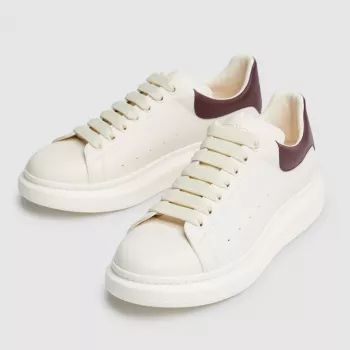
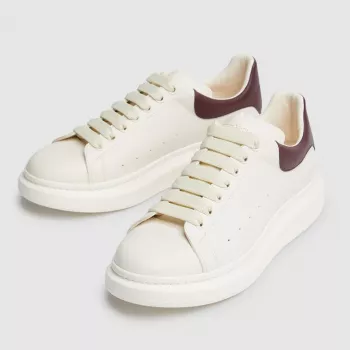
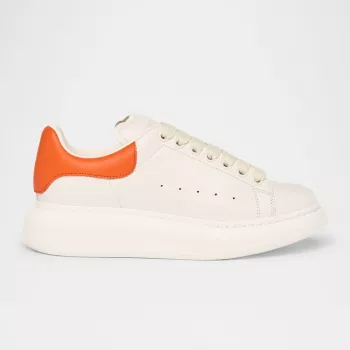
Alexander McQueen platform-sole sneakers pair a clean, minimal upper with a bold, height-adding outsole. The result is a statement sneaker that still works as a daily staple—easy to dress up, easy to dress down, and designed for noticeable presence. The silhouette reads polished from a distance, but up close it’s all about modern proportions: a crisp upper set on a confident platform that brings edge to basics without demanding a full streetwear wardrobe.
What Makes the Platform-Sole Design Stand Out
The platform profile is the first thing people notice, but the appeal goes deeper than height alone. The thick outsole adds visual structure under slim denim, relaxed trousers, or a simple dress—creating a grounded look that feels intentional rather than accidental.
- Raised platform profile adds visual impact and extra height without moving into high-heel territory.
- Minimalist upper keeps outfits looking sharp and balanced, even with a chunky sole.
- Signature silhouette suits both casual looks and smarter streetwear styling.
- Platform base can help create a longer leg line when paired with cropped hems or tapered trousers.
For everyday wear, that “minimal top, bold bottom” formula is what makes the style so versatile: the upper doesn’t fight your outfit, while the sole quietly does the heavy lifting for presence and proportion.
Materials, Build, and Everyday Comfort Considerations
Platform sneakers can feel surprisingly different from standard low-tops, mainly because a thicker sole changes how the shoe flexes and how weight is distributed across the foot. Paying attention to materials and fit details helps them feel as good as they look.
- Look for smooth leather or premium uppers that hold structure and resist creasing with proper care.
- Platform soles typically use durable rubber that grips well but may feel heavier than standard sneakers.
- Break-in period can vary; wearing for short intervals at first helps the upper soften gradually.
- Cushioning and insole support matter more with a thicker sole—consider adding a thin comfort insole if needed.
- Sock choice can reduce heel rub during the first wears; thicker socks can help with fit fine-tuning.
If you’re used to lightweight running-inspired sneakers, the initial feel may be more substantial. The trade-off is stability and a planted stance that works well for city pavement and long days when you want a sneaker that still looks refined. For general fit best practices and foot health considerations, the American Podiatric Medical Association is a helpful reference point.
Comfort and fit checkpoints
| Checkpoint |
Why it matters |
Quick tip |
| Heel hold |
Reduces rubbing and blisters |
Use a heel-lock lacing method; try slightly thicker socks at first |
| Toe room |
Prevents pressure on longer walks |
Aim for a thumb-width at the front when standing |
| Midfoot support |
Helps stability with a platform sole |
Add a slim insole if the arch feels flat |
| Sole weight |
Impacts all-day wear |
Start with shorter outings before full-day use |
How to Style Platform Sneakers for Different Looks
The easiest way to style platform sneakers is to treat them as a “clean sneaker” with extra structure. Keep the outfit’s lines clear, then let the platform set the tone. A few small styling moves—like a cuff, a crop, or a tapered hem—can make the silhouette feel deliberate instead of bulky.
- With denim: pair with straight-leg or slim jeans; cuffing the hem shows more of the silhouette.
- With dresses and skirts: balance volume—choose a clean, fitted top or structured outerwear.
- With tailoring: cropped trousers or tapered pants highlight the platform and keep proportions modern.
- Color coordination: keep the outfit neutral to let the shoe shape do the talking, or echo an accent color in a belt or bag.
- Seasonal layering: oversized coat or bomber jacket complements the chunkier outsole visually.
For travel days, the look can be especially effective: a simple tee, a light jacket, tapered pants, and a platform sneaker reads “put-together” even when you’re dressing for comfort. If you’re building an elevated everyday rotation, start with one pair you can wear three ways: casual, smart-casual, and minimal streetwear.
Care and Maintenance to Keep Them Looking Crisp
For a deeper understanding of leather basics—what helps, what harms, and why—consult a reputable industry resource like the American Leather Chemists Association.
Simple care routine
| Task |
How often |
What to use |
| Quick wipe-down |
After wear |
Microfiber cloth |
| Sole edge clean |
Weekly (or as needed) |
Mild soap + soft brush |
| Condition leather |
Every 4–8 weeks |
Leather conditioner |
| Deodorize/air out |
Weekly |
Ventilated storage; optional charcoal inserts |
Product Snapshot and Buying Notes
At-a-glance details
To round out a “clean and polished” routine that matches the vibe of an elevated sneaker, consider grooming essentials that travel well and help keep the overall look sharp, such as the Professional Electric Hair Clipper and Beard Trimmer Set for Men – Cordless Grooming Kit.
FAQ
Do platform sneakers feel heavier than regular sneakers?
Often yes, because a thicker rubber sole adds weight and can reduce flexibility at first. Ease in with shorter wears, and prioritize a secure fit plus cushioning so the added structure feels supportive rather than tiring.
How should platform sneakers fit at the heel and toe?
The heel should feel secure with minimal slipping, while the toe box should leave comfortable room when standing and walking. If the fit is close, try thicker socks early on or adjust lacing to lock the heel in place.
How can scuffs on the platform sole be cleaned safely?
Use mild soap and a soft brush or sponge, then wipe clean and let the sole dry fully before storing. Avoid harsh solvents that can dull the finish or affect the edge’s appearance over time.
Recommended for you







Leave a comment