Do ultrasonic dental cleaners actually work?
Ultrasonic dental cleaners can work, but only for specific jobs. They’re effective at loosening and removing soft buildup and some surface stains from tooth enamel by using high-frequency vibrations. They can make teeth feel smoother and look a bit brighter, especially around the gumline and between teeth where brushing can miss.
What they generally can’t do is replace a professional dental cleaning. Hardened tartar (calculus) is strongly bonded to teeth, and removing it safely—especially below the gumline—usually requires professional instruments, training, and a clinical exam. Home ultrasonic tools also won’t treat cavities, gum disease, or deep staining inside the enamel.
What results are realistic at home?
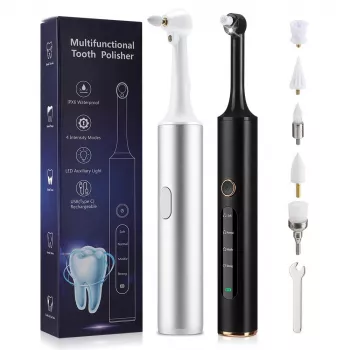
For many people, a realistic outcome is improved “surface cleanliness” rather than a dramatic whitening effect. Used carefully, an ultrasonic scaler or at-home polishing tool can help maintain results between dental visits by disrupting plaque and lifting fresh stains from coffee, tea, wine, or smoking. Consistency matters more than intensity; gentle, regular care is safer and more effective than aggressive scraping.
If the device includes an LED light or polishing function, that can help you see what you’re doing and refine surface stain care, but the core result still depends on technique and ongoing oral hygiene habits.
How to use them safely
Safety is where many at-home users go wrong. Keep the tip moving, use light pressure, and focus on the tooth surface (not the gums). Avoid lingering in one spot, which can irritate gum tissue or scratch enamel if used incorrectly. If you have gum recession, sensitive teeth, crowns/veneers, braces, or dental implants, it’s smart to check with a dentist first.
For a step-by-step approach to at-home surface stain care and polishing, see the guide here: https://ciceras.com/guide-electric-teeth-polisher-led-surface-stain-care-at-home/.
When to skip DIY and book a dentist
Choose professional care if you notice bleeding gums, persistent bad breath, tooth mobility, swelling, sharp sensitivity, or visible tartar buildup. Those can signal issues that a home device won’t fix—and could worsen if the gums are irritated further.
FAQ
Can ultrasonic cleaners damage enamel or gums?
They can if used with too much pressure, held in one place, or aimed at the gums instead of the tooth. Used gently and correctly on enamel surfaces, the risk is lower, but people with sensitivity or gum problems should be extra cautious.
Recommended for you











Leave a comment