Do dentists recommend ultrasonic tooth cleaners?
Dentists can recommend ultrasonic tooth cleaners in specific situations, but usually with clear limits. At-home ultrasonic tools are most often viewed as a supplement for removing light surface buildup in hard-to-reach areas—not a replacement for brushing, flossing, or professional cleanings.
When a dentist might say “yes”
A dentist may be comfortable with an ultrasonic tooth cleaner if it’s used gently and only on tooth surfaces. People who struggle with plaque around crowded teeth, orthodontic hardware, or fixed retainers may benefit from an extra tool for detail work—especially if they’re already consistent with daily brushing and flossing.
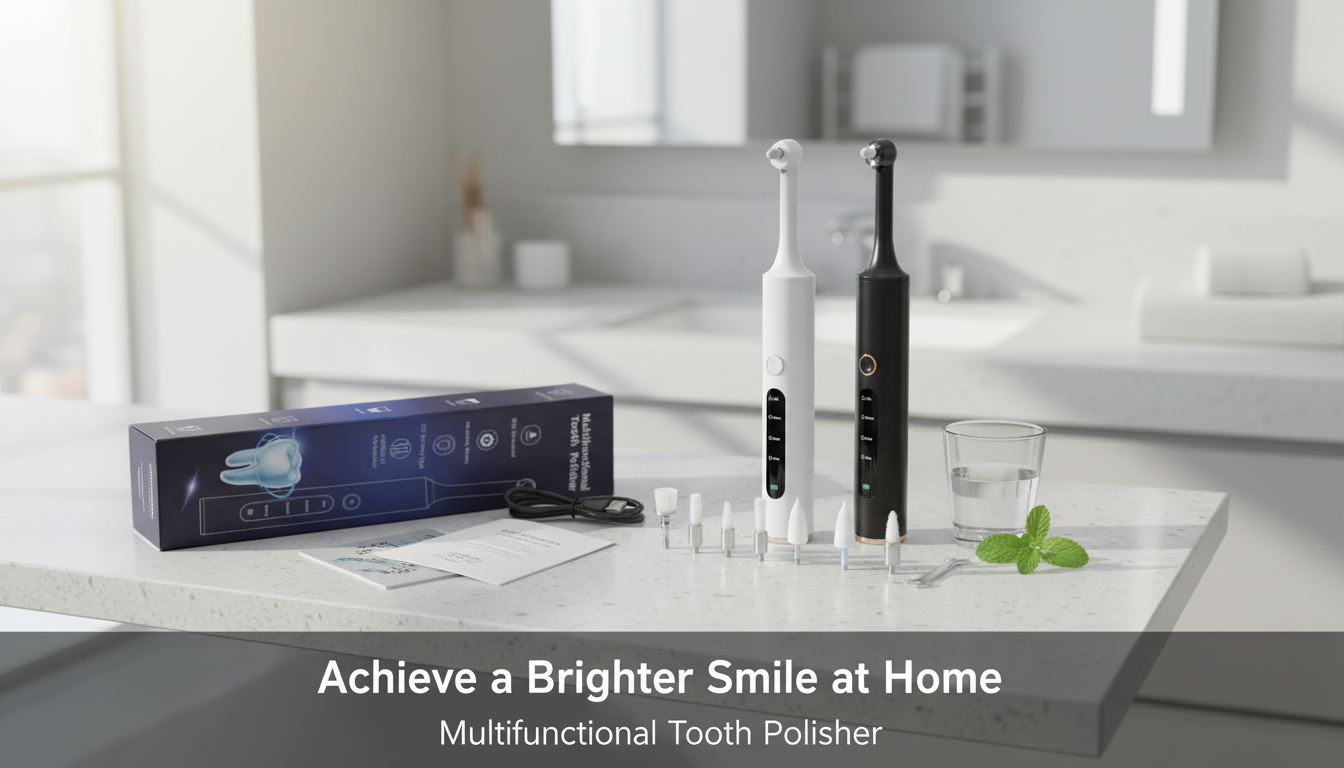
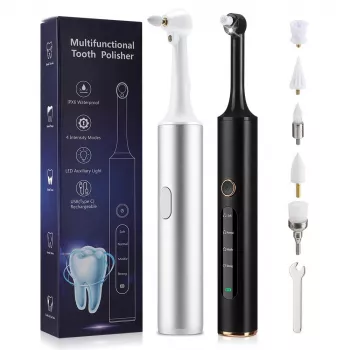
Some patients also ask about polishing away surface stains from coffee, tea, or tobacco. In those cases, dentists often point out that polishing helps appearance, but it doesn’t treat gum disease, cavities, or tartar below the gumline. For a practical look at home stain care tools and how they compare, see this guide to an electric teeth polisher and surface stain care at home.
Why many dentists are cautious
The main concern isn’t the “ultrasonic” label—it’s how the device is used. Too much pressure, repeated scraping in the same area, or using a tip against gums can irritate soft tissue and potentially roughen enamel or scratch restorations. That risk can be higher if someone has recession, sensitive teeth, thin enamel, crowns/veneers, bonding, or implants.
Dentists also emphasize that hardened tartar (calculus) is best handled professionally. Home tools may dislodge some debris, but they can leave rough spots that collect plaque faster if technique is off.
How to use one more safely
If a dental professional okays an at-home ultrasonic cleaner, keep it conservative: use the lowest effective setting, keep the tip moving, stay on tooth surfaces (not the gumline), and stop if there’s pain or bleeding. Pair it with a soft toothbrush, fluoride toothpaste, and daily interdental cleaning. If buildup keeps returning quickly, a dental visit is the safer fix.
FAQ
Can an ultrasonic tooth cleaner remove tartar at home?
It may chip away small deposits above the gumline, but hardened tartar is typically best removed by a dental professional. Trying to force it off at home can irritate gums or damage tooth surfaces.
Recommended for you











Leave a comment