Are slow feeders good mental stimulation for dogs?
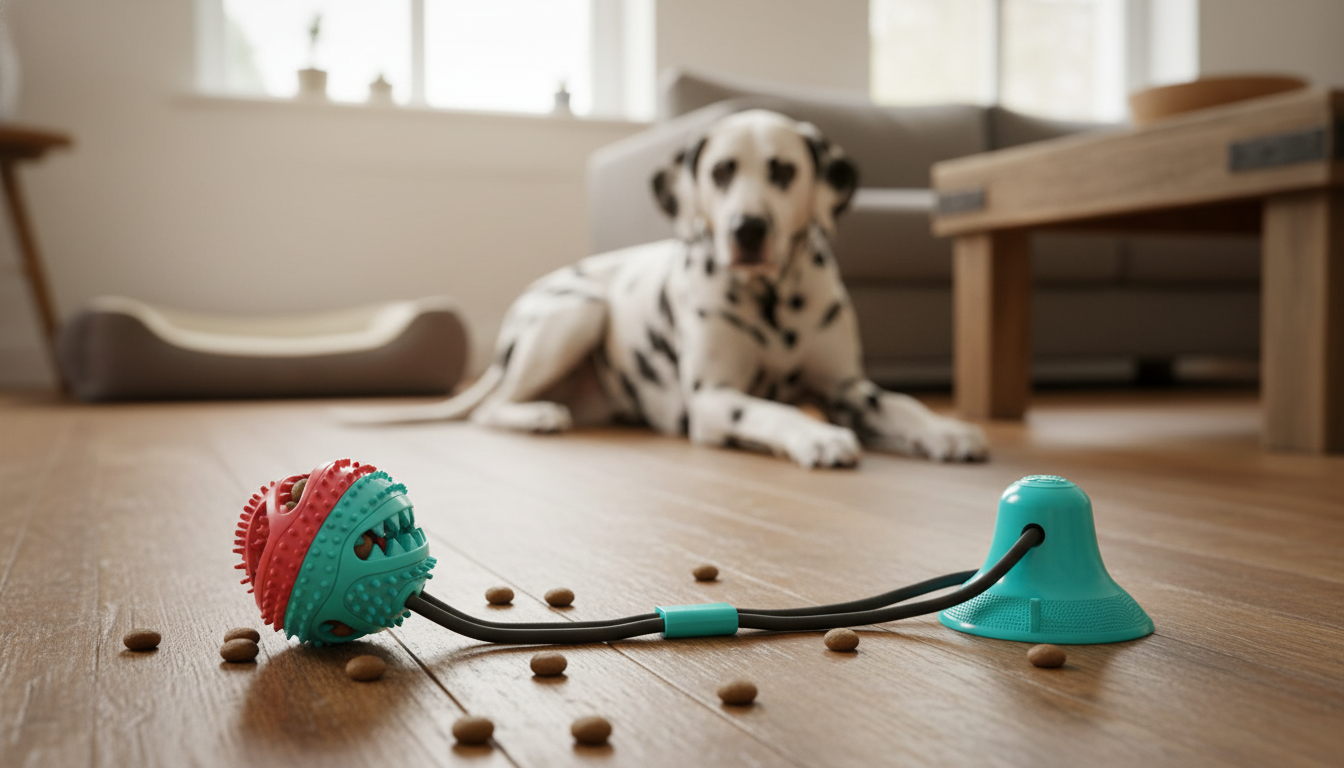
Yes. Slow feeders can be solid mental stimulation because they turn eating into a mini problem-solving activity. Instead of gulping down food in seconds, a dog has to sniff, lick, paw, and strategically move kibble or wet food out of pockets, grooves, or maze-like patterns. That extra effort encourages focus and can help break up boredom, especially for dogs that finish meals quickly and then look for something to do.
Slow feeding also adds structure to a dog’s day. The routine of “work to eat” taps into natural foraging behaviors, which many dogs find satisfying. For some dogs, that satisfaction can translate into calmer behavior after meals because their brain got a short, appropriate “job” to complete.
That said, the level of mental enrichment depends on the design and the dog. A simple bowl insert may slow down an enthusiastic eater but won’t challenge a clever dog for long. Rotating feeder styles—like lick mats, puzzle feeders, and slow-feeder toys—helps keep the task fresh. It also helps to match difficulty to your dog’s personality: too easy becomes boring; too hard can cause frustration and quitting.
Slow feeders are also most effective when used thoughtfully. Start with an easier pattern, keep meal sizes appropriate, and supervise until you know your dog’s habits (especially if they’re a power chewer). If you want a deeper dive into choosing engaging options—particularly for strong chewers and larger dogs—see the full guide here: https://ciceras.com/guide-suction-cup-dog-toy-large-dogs-chew-ball-slow-feeder/.
For Slow Feeders for Dogs: Mental Stimulation & Benefits, the best answer depends on fit, material, care instructions, and how the product will be used day to day.
FAQ
How do I choose the right slow feeder for my dog?
Pick a style that matches your dog’s eating speed and chewing habits: simple ridges for beginners, deeper mazes for fast eaters, and durable slow-feeder toys for heavy chewers. If your dog gets frustrated, step down the difficulty and build back up.
Recommended for you










Leave a comment