Nylon AirTag Wristband for Kids: Secure, Anti-Scratch Tracking on the Go
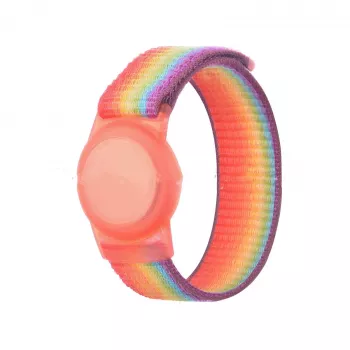
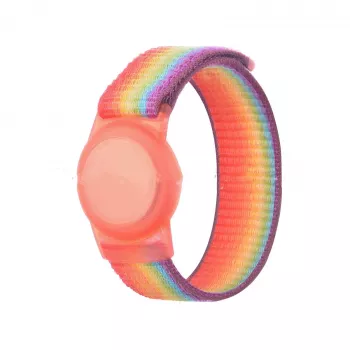
Keeping track of kids during busy outings is easier when an AirTag is worn comfortably and stays protected. A nylon wristband holder is designed for everyday play, school days, travel, and crowded events—helping keep the AirTag secure, reducing scratches, and making the tracker less likely to be misplaced. Below is a practical guide to how a nylon AirTag wristband works, what to look for, and how to use it safely for active kids.
What a nylon AirTag wristband does (and what it doesn’t)
A wrist-worn holder puts the AirTag where it’s less likely to disappear under car seats, get left in a jacket pocket, or end up at the bottom of a toy bin. For families who already use Apple’s Find My app, it can be a simple way to keep the tracker “with the kid” rather than “with the stuff.”
- Holds an Apple AirTag on a child’s wrist so the tracker is less likely to be lost in a backpack, coat pocket, or toy bin.
- Adds a protective layer around the AirTag to reduce scuffs and scratches from daily wear.
- Keeps the AirTag oriented and contained, which helps prevent accidental drops during play.
- Doesn’t provide real-time GPS like a dedicated GPS watch; AirTag location works through Apple’s Find My network and nearby Apple devices.
- Doesn’t replace supervision; it’s a practical backup for separation moments in public places.
For Apple’s official overview of how AirTag location works, see Apple Support: About AirTag and the Find My network.
Why nylon works well for kids
Nylon straps are a common choice for gear that needs to move, bend, and handle daily wear without feeling bulky. For kids, comfort is often the difference between “they’ll keep it on” and “it comes off the moment you look away.”
- Soft and flexible feel: nylon straps are typically comfortable against skin and move with the wrist during activity.
- Breathability: nylon often dries faster than many solid silicone bands after handwashing or light moisture.
- Everyday durability: nylon is commonly used in outdoor gear because it resists fraying and handles frequent bending.
- Lightweight wear: helps reduce “I don’t want to wear it” complaints—especially for younger kids.
- Easy routine care: most nylon bands can be wiped down or gently washed and air-dried.
Nylon wristband vs common alternatives for kid-friendly tracking
| Option |
Comfort |
Scratch protection |
Best for |
Things to consider |
| Nylon wristband holder |
Soft, flexible |
Good (covers AirTag edges) |
School, travel, everyday play |
Confirm fit range; keep buckle/closure snug but not tight |
| Silicone wristband holder |
Smooth, water-friendly |
Good |
Pool days, messy play |
Can feel sweaty; dust/lint may cling |
| Keychain holder on backpack |
No wrist wear |
Varies |
Older kids with consistent bag use |
Bag may be set down or swapped; easier to lose |
| Pin/clip holder |
No wrist wear |
Varies |
Jackets, belts (supervised) |
Not ideal for rough play; check attachment frequently |
Fit, closure, and comfort checks for active kids
The best wristband is the one a child can wear comfortably for a full day without fidgeting—and that stays on during running, climbing, and playground chaos.
- Choose the right size range: it should fit the current wrist with a little room for growth, without sliding around.
- Aim for a secure fit: the “two-finger rule” can help—snug enough to stay put, loose enough for comfort and circulation.
- Prioritize a dependable closure: look for a clasp/buckle/fastener that won’t pop open when tugged by sleeves or backpack straps.
- Check the AirTag pocket edges: smooth edging reduces rubbing and pressure points during long wear.
- Do a short test wear: try 30–60 minutes at home before an all-day outing to confirm there’s no irritation.
Anti-scratch protection and keeping the AirTag secure
Kids bump into desks, door frames, and playground equipment all day. A wristband holder helps by keeping the AirTag covered and limiting how much it shifts inside the holder.
- Covered pocket design: helps protect the AirTag from scuffs when wrists brush hard surfaces.
- Snug compartment: reduces rattling and movement that can create wear over time.
- Weekly inspection: check for stretching, fraying, or loosened stitching around the AirTag area.
- Remove grit quickly: if used at the beach or playground sandboxes, wipe or rinse the band so abrasive particles don’t rub against the AirTag.
- Insert gently: avoid forcing the AirTag into an overly tight pocket to prevent stressing seams.
Setting up AirTag for a child: practical and privacy-minded tips
Setup is quick, but a few small choices make daily use smoother—especially when multiple caregivers are involved.
Apple provides detailed guidance in the Find My app user guide and its overview of AirTag privacy and unwanted tracking alerts.
When a wristband holder is most useful
Care, cleaning, and daily use habits
Shop in-stock picks
FAQ
Does an AirTag work as a GPS tracker for kids?
Not in the same way a GPS watch does. AirTag location updates rely on Apple’s Find My network and nearby Apple devices, so refresh timing and accuracy can vary depending on how many compatible devices are around.
Is it safe for kids to wear an AirTag wristband all day?
For many kids, it can be safe with proper fit and regular skin checks. Keep it snug-but-comfortable, watch for irritation, and avoid use with very young children who could remove and mouth small parts.
How do you keep an AirTag from getting scratched in a wristband?
Choose a holder with a covered pocket, wipe away sand or grit promptly, and clean the band gently. Even with protection, minor wear marks can still happen over time, so periodic checks help prevent internal abrasion.
Recommended for you










Leave a comment