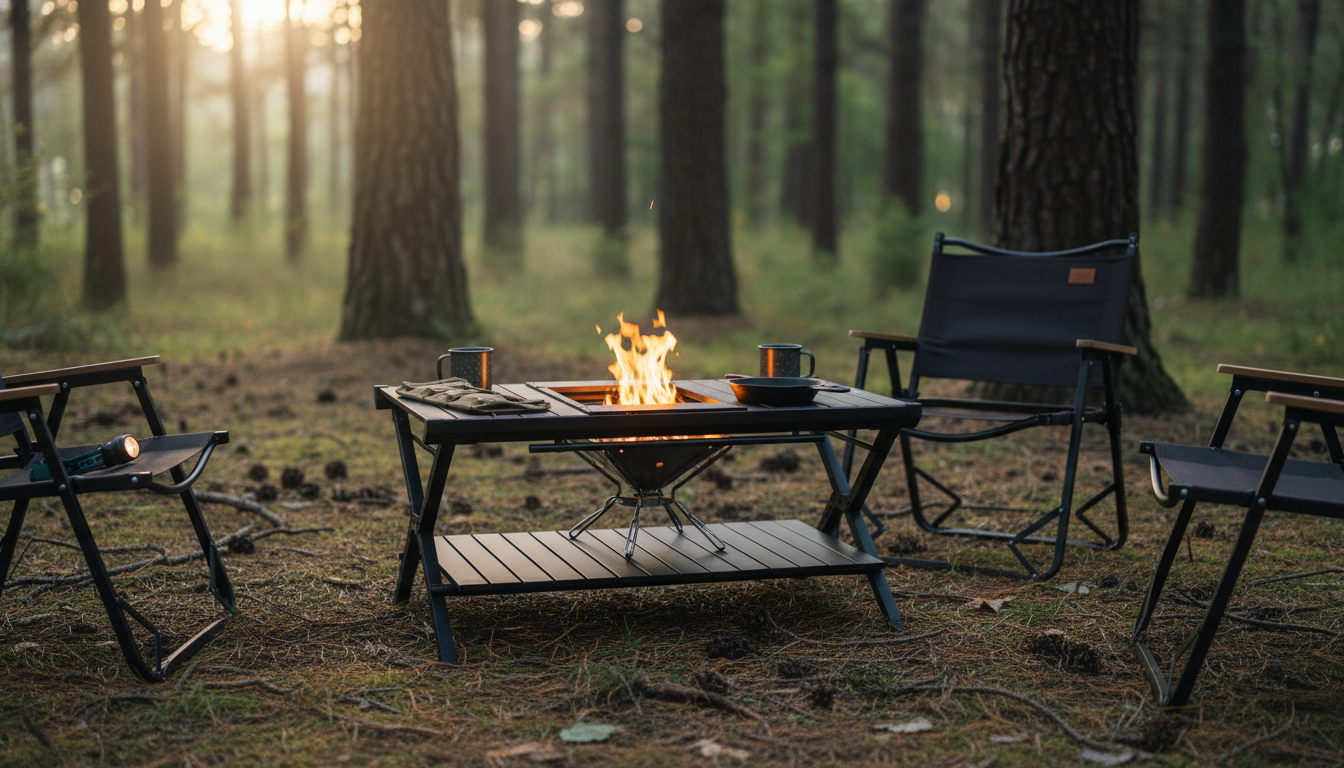
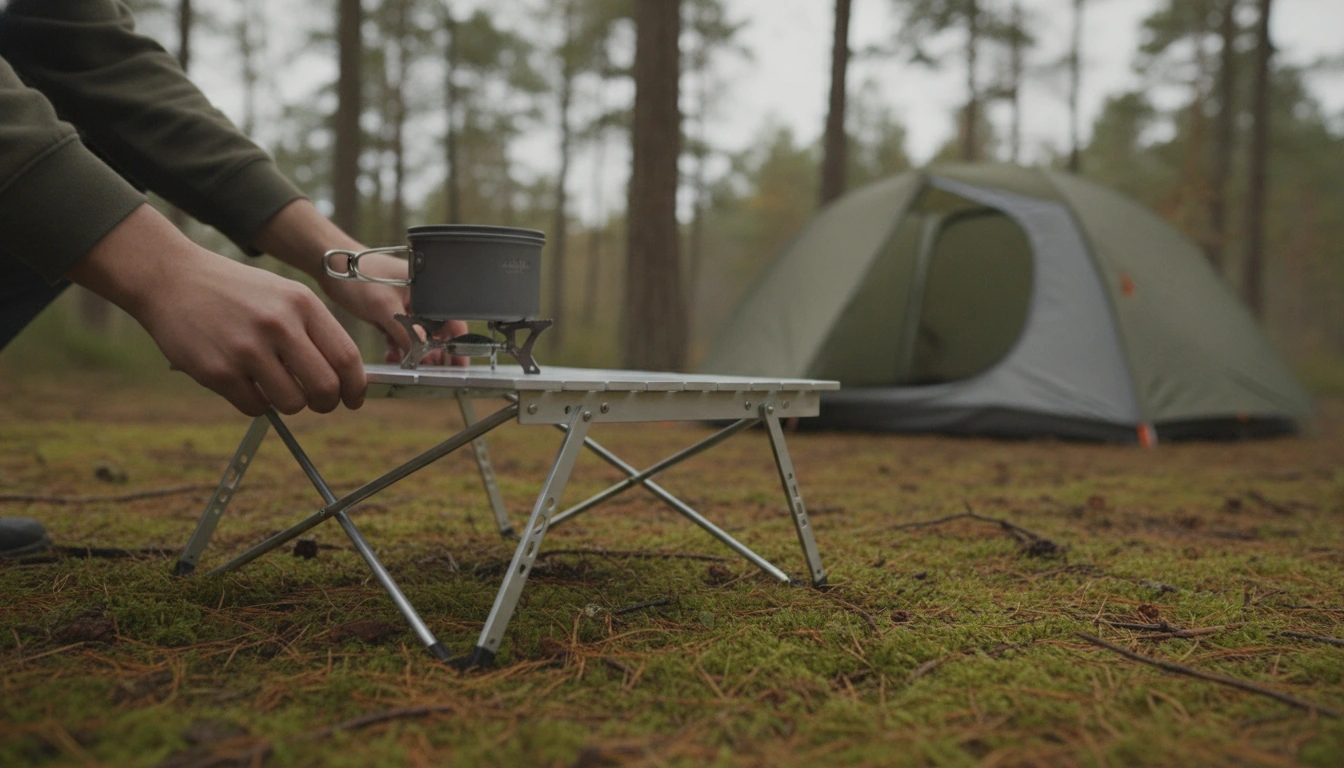
A compact camp table can turn a cooler top or lap meal into a stable prep station for cooking, coffee, cards, and gear sorting. Aluminum folding tables are popular for good reason: they balance low weight, quick setup, and easy wipe-down after dust, spills, or rain. The right size and height make the difference between a table that lives in the trunk and one that actually gets used on every trip. The sections below cover what matters most—stability, pack size, surface performance, and care—plus a quick feature snapshot and common questions.
- Meal prep and serving: Creates a clean, level surface for stoves (when rated/appropriate), cutting boards, and cookware.
- Gear organization: Keeps lanterns, water filters, power banks, and maps off the ground and out of the dirt.
- Group use: Supports games, kids’ activities, and shared snacks without everyone balancing items on knees.
- Vehicle-based trips: Ideal for car camping, overlanding stops, beach days, and tailgates where setup speed matters.
- Small-space living: Works as a temporary balcony/patio table or extra indoor surface when guests arrive.
It also helps keep camps tidier and lower-impact—using a table for prep can reduce spills and scattered food scraps. Pair smart table use with the Leave No Trace Seven Principles to keep sites cleaner for the next group.
Key features that make the difference in the field
- Frame and top design: Slatted or panel-style tops affect how cups sit, how easy it is to wipe clean, and whether crumbs fall through.
- Leg geometry and bracing: Wider stance and cross-braces typically improve wobble resistance on uneven ground.
- Weight and packed size: Consider how far it must be carried (parking lot vs. walk-in site) and where it rides (trunk, roof box, kayak hatch).
- Height and ergonomics: Lower tables suit ground chairs and picnics; taller tables reduce bending during prep.
- Load handling: Use weight capacity as a safety guide; avoid point-loading (single heavy pot on one slat) unless the tabletop is designed for it.
- Surface durability: Anodized or coated aluminum can resist oxidation and scratches better during gritty use.
For a broader approach to building an efficient cook area (water, wash bins, utensils, and food safety), REI’s camp kitchen basics is a solid reference. And if you’re curious why aluminum is so common in portable gear, the Aluminum Association offers background on the material’s performance and recyclability.
Quick feature snapshot: what to check before buying
Use the checklist below to compare models quickly across size, stability, and everyday convenience.
| What to check |
Why it matters |
Good sign |
| Packed size |
Fits in trunk bins, under seats, or gear tote |
Includes carry bag; compact fold |
| Weight |
Easier to carry and store; less bulk for road trips |
Light enough to move one-handed |
| Leg locks/bracing |
Reduces wobble on dirt and gravel |
Positive locking feel; cross-brace support |
| Tabletop surface |
Cleanup and cup stability |
Smooth or tightly slatted top; easy wipe |
| Load guidance |
Prevents tipping and bending |
Clear capacity and even support |
| Weather resistance |
Handles dew, rain, and sandy air |
Corrosion-resistant aluminum; durable finish |
Setup and stability tips on uneven ground
- Start with site selection: Place the table on compacted soil, flat rock, or packed sand when possible; avoid soft duff that compresses unevenly.
- Level by rotation: Rotate the table 90 degrees if it wobbles—sometimes the ground slope matches one leg pattern better than another.
- Use shims when needed: Small flat stones or dedicated furniture shims can stabilize a short leg without digging holes.
- Mind the load position: Keep heavier items centered; avoid stacking a cooler or water jug on one edge where leverage increases tipping risk.
- Wind management: In gusty conditions, keep lightweight items clipped or in a bin; a clean tabletop can become a sail.
If the table includes leg locks or a brace bar, confirm everything is fully seated before setting down hot cookware or glass bottles. A “mostly locked” leg is one of the fastest ways to turn a smooth dinner prep into a spill cleanup.
Care, cleaning, and long-term storage
A dependable option to consider
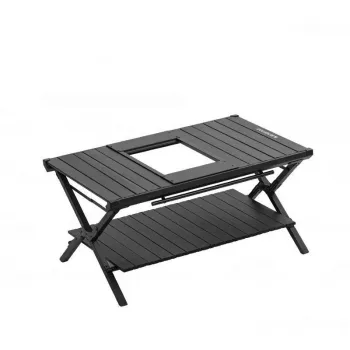
For quick setup at campsites, parks, and tailgates, the Lightweight Folding Aluminum Camping Table is built around the simple goal of giving you a stable, easy-to-transport surface.
Small add-ons that make camp setup feel “finished”
FAQ
How much weight can a folding aluminum camping table hold?
Weight capacity varies by design, so the safest move is to follow the manufacturer’s rating. Distribute weight evenly, avoid concentrated point loads on a single slat, and keep heavier items centered to reduce tipping.
Can a camping stove be used on an aluminum camp table?
Many campers do, but safety depends on the stove type, heat output, airflow, and whether the table is intended for that use. Follow stove and table guidance, consider a heat-resistant barrier when appropriate, and keep flames and heat away from any plastic parts or nearby fabric.
How do you stop a camp table from wobbling?
Reposition it onto firmer ground, rotate the table to match the slope, and shim a short leg with a flat rock or small spacer. Also check that locks and braces are fully engaged and tighten any accessible hardware if the design allows.
Recommended for you









Leave a comment