Is kPa a Good Vacuum?
kPa (kilopascals) is a pressure-based way to describe how strong a vacuum’s suction is. In simple terms, higher kPa generally means the vacuum can pull harder against the floor, lift debris more easily, and keep airflow moving through filters and a dust bin. That said, “good” depends on what you’re cleaning and how the vacuum is designed.
How to Interpret kPa for Vacuum Suction
Most cordless stick vacuums list suction in kPa, and the number is often tied to the vacuum’s maximum suction mode. A lower kPa can still clean well on hard floors if the brush roll, airflow path, and filtration are efficient. For carpet, pet hair, and embedded grit, stronger suction becomes more noticeable—especially when paired with a motorized brush head.
As a general rule of thumb, a vacuum that reaches around the 20–30 kPa range is commonly considered strong for a cordless stick vacuum. Numbers below that can still be fine for light-duty cleaning, quick pickups, and mostly hard surfaces. Numbers above that (when paired with good design) can help with deeper cleaning and heavier debris.
When kPa Doesn’t Tell the Whole Story
kPa is only one piece of performance. Two vacuums with the same kPa can behave differently because of:
- Airflow and sealing: Leaks, clogs, and restrictive filters reduce real-world pickup.
- Brush roll design: A well-designed brush can agitate carpet and lift hair better than suction alone.
- Runtime at high suction: Max kPa often drains the battery quickly, so usable cleaning time matters.
- Bin and filter maintenance: A full bin or dirty filter can drop suction noticeably.
What to Look For Alongside kPa
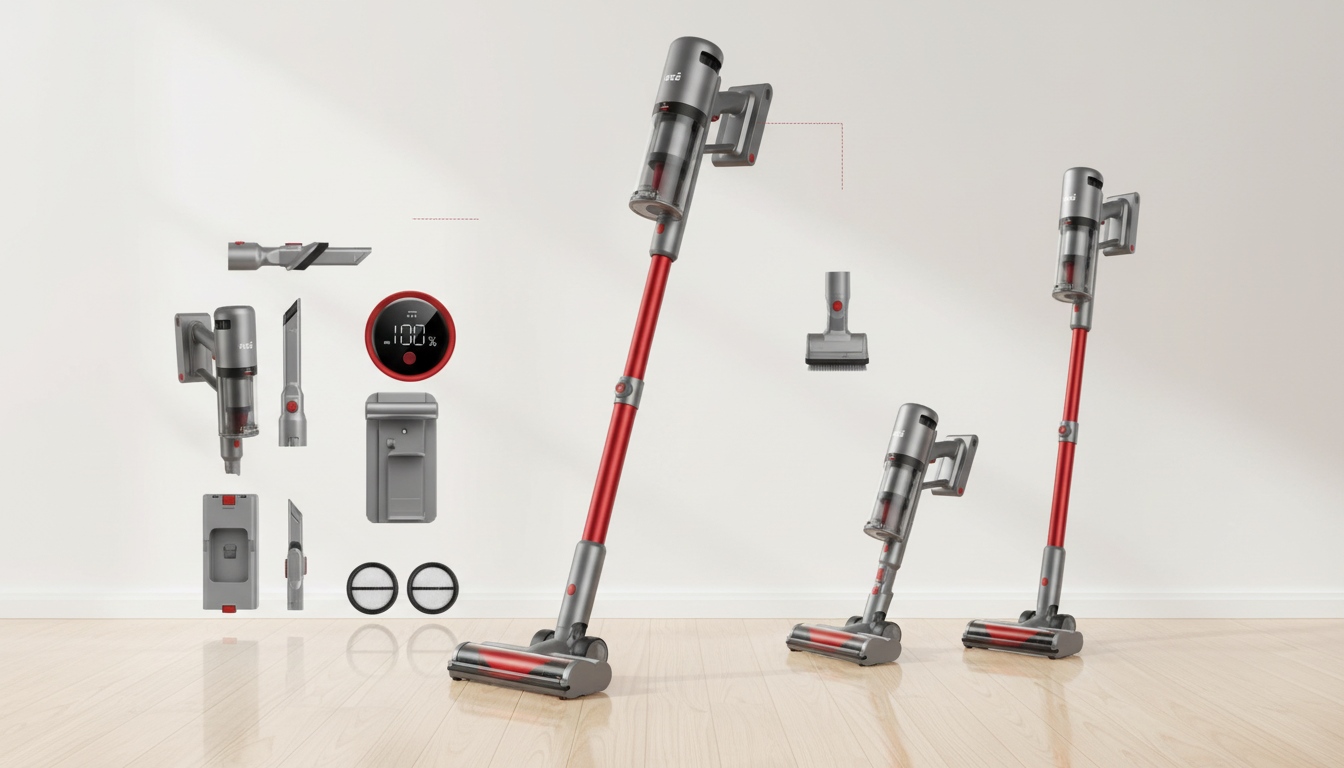
If the vacuum advertises a high kPa, check whether it also offers practical runtime and a head designed for your floors. For a closer look at how a high-suction cordless stick vacuum is positioned—especially around the 30 kPa class—see this guide to a 30kPa cordless stick vacuum with up to 60 minutes of runtime.
FAQ
Is higher kPa always better for a cordless vacuum?
Not always. Higher kPa can improve pickup, but brush design, airflow, and how long the vacuum can sustain that suction on battery are just as important for real cleaning results.
Recommended for you









Leave a comment