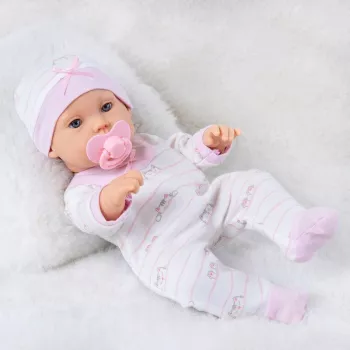
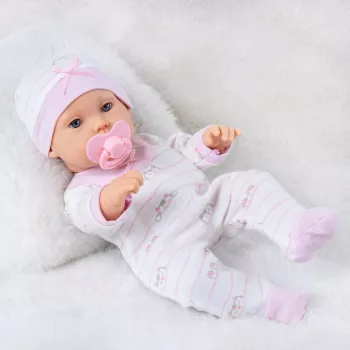
A calming, lifelike baby doll can turn everyday play into a soothing routine—rocking, cuddling, and practicing gentle caregiving. This 30cm soothing simulation baby doll is sized for small arms, easy to carry, and designed for cozy pretend play at home or on the go. For more guidance, see A Review of Crying and Caregiving: Crying as a Stimulus – PMC.
What makes a soothing simulation doll different
Not all baby dolls invite the same kind of play. A soothing simulation style is designed to encourage slower, gentler routines that feel comforting rather than overstimulating. For further reading, see Mentalizing under maternal stress: Using a baby simulator to ….
- Focuses on calming, nurturing play patterns such as cuddling, rocking, and settling routines.
- Compact 30cm size helps children hold and manage the doll independently.
- Encourages gentle handling and caregiving habits through role-play.
- Works well for quiet-time play, travel, and bedtime wind-down routines.
When play feels peaceful, kids often have more space to practice empathy, patience, and “soft skills” like reassurance and careful touch. Research-backed child development resources consistently highlight how play supports learning and emotional growth, including guidance from HealthyChildren.org (AAP) and the CDC.
At-a-glance details
For a quick snapshot of the product and availability, here are the essentials.
If you’re ready to shop, the 30cm Soothing Simulation Baby Doll is currently in stock.
Benefits for child development through pretend caregiving
Pretend caregiving gives kids a safe space to explore feelings and routines they see around them. It can be especially helpful for children who enjoy structured, repeatable play sequences (like “feed, burp, cuddle, tuck in”).
- Emotional skills: practicing empathy and comfort-giving in a low-pressure setting.
- Communication: naming feelings, narrating routines (feeding, soothing, bedtime) and building vocabulary.
- Fine motor control: holding, cradling, and gentle positioning supports coordination.
- Independence: children can manage a smaller doll more easily, boosting confidence.
- Social play: encourages cooperative play such as taking turns “helping the baby.”
For many families, the most noticeable “benefit” is simpler: the play itself tends to be calmer. That can be a welcome change during busy afternoons, transitions, or pre-bedtime energy spikes.
Everyday play ideas that feel calming (not chaotic)
Soothing pretend play doesn’t require a big setup. A few predictable routines and a cozy corner can make the doll feel like a comforting companion.
- “Gentle morning routine”: wake-up, cuddle, change outfit, and pack a tiny bag for a pretend outing.
- “Quiet-time corner”: pair with a small blanket and a storybook for soothing role-play.
- “Big feelings practice”: model comforting steps—pause, hug, breathe, and reassure.
- “Travel companion”: bring the 30cm doll for car rides or waiting rooms as a familiar comfort object.
- “Bedtime wind-down”: rocking and tucking-in routines that mirror real-life transitions.
Tip: Keep the script simple and repetitive. When kids know what comes next (rock, pat, whisper, tuck), they often lean into the calm rhythm and extend the play longer.
How to choose the right baby doll for your child
A well-matched doll gets played with more often—and more gently. Here are a few practical filters that help narrow the options.
- Size and weight: a 30cm doll is often easier for toddlers and preschoolers to carry and cradle.
- Play style: calming caregiving play tends to work best with a cuddle-friendly, holdable design.
- Durability: prioritize a doll that can handle frequent hugs, drops, and travel.
- Cleaning needs: consider how the doll will be cleaned if it becomes a daily companion.
- Age-appropriateness: match accessories and small parts (if any) to the child’s age and supervision level.
If you’re building a small “comfort play” kit, keep it minimal: doll + blanket + board book. Too many add-ons can tip the play from soothing to scattered.
Care, cleaning, and safe play reminders
- Check the product listing for any specific care instructions before cleaning.
- Keep play gentle: avoid pulling limbs or accessories to reduce wear.
- For shared play: set simple rules (taking turns, holding with both hands) to prevent accidental drops.
- Regularly inspect for loose parts or damage, and remove from play if something becomes detached.
- Store in a clean, dry place to keep the doll ready for daily comfort routines.
For more general context on how play supports early learning and relationships, Zero to Three offers helpful, family-friendly guidance.
When this doll makes a thoughtful gift
More in-stock finds to round out your home routine
FAQ
What age is a 30cm baby doll best for?
A 30cm baby doll typically works well for toddlers through early elementary kids because it’s easier to carry, cradle, and tuck in. For younger children, adult supervision is recommended, and it’s best to confirm the product listing for age guidance and any small-part warnings.
How can a soothing simulation doll help with bedtime routines?
It lets children rehearse the same calming steps used at bedtime—cuddling, rocking, gentle talk, and tucking in—so the routine feels familiar and predictable. That “practice” can make transitions smoother because kids can mirror what they’ve been playing.
How should a baby doll be cleaned?
Check the manufacturer’s care instructions first, since materials and construction vary. When appropriate, use gentle surface cleaning and let the doll dry fully; avoid harsh chemicals or soaking unless the listing specifically says it’s safe.
Recommended for you









Leave a comment