A high-power blender can replace several countertop tools by handling smoothies, juices, sauces, and grinding tasks with fewer steps and less prep time. A 2200W blender-and-grinder setup is built for the kind of daily blending that strains smaller motors—think frozen fruit, ice, fibrous greens, thick dips, and quick spice grinding. Below is a practical breakdown of what this style of machine is best at, what features matter in real kitchens, and how to get consistently smooth results without guesswork.
What This Blender-and-Grinder Setup Is Designed to Do
A 2200W blender with a grinding function is meant to cover both wet and dry jobs so you’re not constantly swapping appliances or transferring ingredients between containers.
- Smoothies and smoothie bowls: Supports thick blends when paired with the right liquid-to-frozen ratio and a short pulsing start.
- Juices and fruit-forward drinks: Blends whole produce for fiber-rich drinks; strain if a clearer texture is preferred.
- Food prep staples: Soups, sauces, dips, batters, and purees with quick texture control.
- Grinding tasks: Dry ingredients like spices, coffee, grains, nuts, or seeds (best in short bursts to prevent overheating).
- Time-saving workflow: One base for blending and grinding means fewer transfers and fewer items to wash.
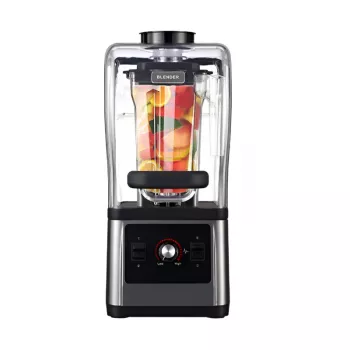
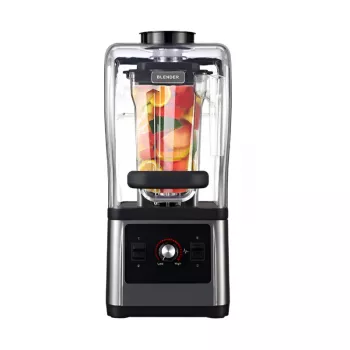
If you’re shopping for a single tool to cover those tasks, the 2200W Professional Blender and Grinder for Smoothies, Juices, and Food Prep is designed to serve as a daily driver for both beverages and meal prep.
Power and Performance: What 2200W Means in Real Use
Wattage isn’t the only factor in performance, but it is a strong indicator of how confidently a blender can handle tough loads. In day-to-day use, 2200W generally translates into faster breakdown of dense ingredients and fewer stalls during thick blends.
- Faster breakdown of tough ingredients: Frozen fruit, ice, dense vegetables, and fibrous greens blend more efficiently with adequate wattage.
- More stable speed under load: Helps reduce stalling in thicker blends when ingredients are added gradually.
- Texture consistency: High power plus good technique (pulse, staged additions, scraping sides) improves smoothness.
- Noise and heat considerations: Higher power can be louder; use shorter cycles for dry grinding and allow brief rests for repeated batches.
Common tasks and practical settings
| Task |
Goal texture |
Technique tips |
| Frozen smoothies |
Thick and smooth |
Start with liquid, add frozen last; pulse to start, then blend continuously |
| Ice crushing |
Snowy or crushed |
Use short pulses; avoid overfilling and keep lid secured |
| Nut grinding |
Coarse to fine |
Grind in bursts; shake between bursts to redistribute; stop before oils turn it into paste unless desired |
| Soup pureeing |
Silky |
Blend in batches if hot; vent lid carefully to release steam |
| Salsa/dips |
Chunky to smooth |
Use quick pulses to keep texture; scrape sides as needed |
Blending for Smoothies and Juices: Consistency Without Guesswork
Most “it won’t blend” problems come from ingredient order, not motor strength. For thick smoothies and smoothie bowls, the goal is to keep ingredients moving while minimizing air pockets.
- Use a reliable base ratio: Pour liquid first, then add soft ingredients, then frozen items/ice on top to reduce cavitation.
- Pulse to break up large pieces: A few short pulses helps the blades catch and prevents a stuck air channel.
- Adjust thickness intentionally: Add liquid by the tablespoon to protect flavor while improving flow.
- For juice-like drinks: Blend thoroughly, then strain through fine mesh if a lighter, pulp-reduced texture is preferred.
- For green smoothies: Blend greens with liquid first, then add fruit to reduce speckling and improve smoothness.
A practical workflow for a morning smoothie: blend your liquid + greens first (20–30 seconds), then add frozen fruit and pulse a few times before running the blender continuously until the sound becomes steady and the mixture looks glossy.
Grinding and Food Prep: Spices, Coffee, Nuts, and More
The grinder function shines when you want fresher flavor or faster prep. The key is keeping dry grinding short and controlled so heat doesn’t steal aroma or push nuts into butter before you want it.
Practical Features That Matter Day to Day
If you’re upgrading a kitchen space, lighting can also improve day-to-day prep visibility—some shoppers pair practical countertop tools with ambient fixtures like the Handmade Wabi Sabi Rattan Pendant Light for a warmer, more functional work area.
Cleaning, Maintenance, and Safe Use
For safe food handling habits beyond the appliance itself, follow guidance from the USDA Food Safety and Inspection Service and the FDA’s safe food handling basics, especially when prepping soups, sauces, and make-ahead blends.
Who This 2200W Blender Is Best For
FAQ
Can a blender replace a dedicated grinder for coffee and spices?
It works well for spices and occasional coffee grinding if you use short pulses and shake or tap between bursts. For highly consistent coffee particle size (especially for espresso), a burr grinder is typically more precise.
How can thick smoothies be blended without stalling?
Start with enough liquid, add frozen ingredients gradually, and use pulse to begin so the blades can catch. If cavitation happens, pause and redistribute ingredients (or add a small splash of liquid) before continuing.
Is it safe to blend hot soups?
Blend hot soup in smaller batches, avoid overfilling, and vent steam carefully to prevent pressure buildup. Follow your appliance’s specific instructions for hot liquids and keep hands away from the lid vent.
Recommended for you












Leave a comment