Silicone Toe Separator & Bunion Corrector: Gel Toe Spacer for Everyday Foot Comfort
Bunions, toe crowding, and friction from shoes can make walking and standing uncomfortable. A soft gel toe spacer helps guide toes into a more natural position while reducing rubbing between toes. With consistent, comfortable use, many people find it easier to get through daily routines—especially when paired with roomy footwear and simple foot-care habits.
Below is a practical guide to what a silicone toe separator is used for, how to wear it without aggravating sensitive areas, and what results are realistic for everyday comfort.
What a silicone gel toe spacer does
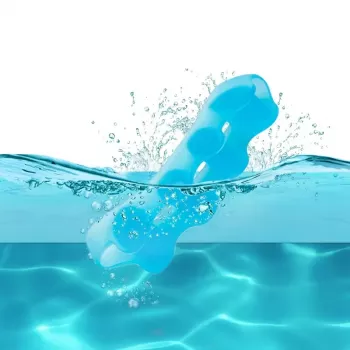
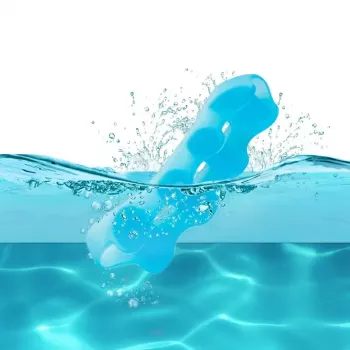
A silicone toe separator (often called a gel toe spacer) is designed to sit between toes and create gentle separation. That small amount of space can make a noticeable difference if toes are rubbing or overlapping.
- Creates gentle space between toes to reduce skin-on-skin friction and irritation
- Supports toe alignment during rest, light activity, or inside roomy footwear
- May ease pressure around a bunion by reducing overlap and crowding of the big toe
- Helps protect sore spots and callus-prone areas by buffering contact points
- Best suited for comfort and positioning support; not a replacement for medical care when pain is severe
For bunions (hallux valgus), spacers are typically used to encourage a more comfortable position of the big toe relative to the second toe. For medical background and treatment options, see guidance from the American Academy of Orthopaedic Surgeons and the Cleveland Clinic.
Common situations where toe separators can help
Toe separators are most useful when the problem is friction, pressure points, and crowding—especially during downtime at home or short, low-impact activity.
- Bunion discomfort: supports spacing between the big toe and second toe to reduce rubbing
- Toe overlap or crowding: encourages a more open toe splay during downtime
- Blisters and hot spots: reduces friction during short walks or at-home wear
- Post-pedicure and general toe care: keeps toes separated while lotions or treatments absorb
- Inside shoes: works best with wide toe-box footwear; tight shoes can increase pressure
If bunion pain is persistent or worsening, professional evaluation matters. The American Podiatric Medical Association offers additional information on bunions and when to seek care.
How to wear a gel toe separator comfortably
Comfort and circulation come first. A toe spacer should feel like a gentle stretch and cushioning—not a forced pry between toes.
- Start with clean, dry feet; if skin is sensitive, apply a small amount of foot-safe moisturizer and let it absorb fully before wearing
- Gently place the spacer between the big toe and second toe (or between the toes designed for the separator) without forcing the toes apart
- Break-in approach: begin with 10–20 minutes daily, then increase gradually if there is no numbness, tingling, or sharp pain
- Use during low-impact activities first (standing at home, short chores) before trying longer wear
- Stop use and reassess fit if there is whitening of the skin, throbbing, or increasing pain—these can signal too much pressure
For many people, the best routine is short, consistent sessions: a little time daily tends to be more sustainable than trying to wear a spacer for hours on day one. If you plan to wear a spacer in shoes, choose a wide toe box and do a quick skin check after removal to confirm there are no pressure marks that linger.
Care, cleaning, and longevity
Gel materials feel great against the skin, but they also collect sweat, lint, and product residue. Regular cleaning helps prevent irritation and keeps the surface smooth.
Realistic expectations and when to seek help
Quick comparison: toe spacers, bunion pads, and toe sleeves
Foot care aids at a glance
| Option |
Main purpose |
Best time to use |
Watch-outs |
| Gel toe separator |
Separates toes, reduces rubbing, supports spacing |
At home, light activity, roomy shoes |
Too-tight shoes may increase pressure; stop if numbness/tingling |
| Bunion cushion/pad |
Buffers the bunion area from shoe friction |
Inside shoes during the day |
May shift in narrow shoes; ensure skin stays dry |
| Toe sleeve/cap |
Protects a toe from rubbing and blisters |
Walking, targeted sore spots |
Check for constriction; keep clean to avoid irritation |
If toes feel crowded or the big toe rubs the second toe, a soft gel separator can be an easy, low-commitment addition to a daily foot-care routine. Silicone Toe Separator & Bunion Corrector – Gel Toe Spacer for Foot Care is designed for comfortable spacing and cushioning during short wear sessions at home or with roomy footwear.
Other in-stock essentials
FAQ
How long should a toe separator be worn each day?
Start with 10–20 minutes a day and increase gradually as long as there’s no numbness, tingling, or sharp pain. Many people do well with 1–2 hours total per day, focusing on consistency rather than marathon wear.
Can a gel toe spacer fix a bunion permanently?
No. A gel toe spacer can help with comfort and reduce friction, but it can’t reverse the bone alignment changes of a bunion by itself. Wider footwear, strengthening, and medical evaluation are important if symptoms are significant or progressing.
Is it safe to wear a toe separator in shoes?
It can be safe in roomy shoes with a wide toe box, as long as nothing pinches and circulation feels normal. Remove it right away if you notice pressure, tingling, numbness, or skin whitening—especially if you have diabetes or reduced sensation.
Recommended for you








Leave a comment