A muslin swaddle can quickly become one of the most-reached-for baby essentials—useful for cozy cuddles, calmer rest, and quick wrap-ups when you’re moving from crib to car seat to stroller. Muslin is known for its airy weave and soft feel, which can help babies stay comfortable in changing temperatures and busy day-to-day routines. Below are practical tips on what muslin is, what to look for in a swaddle blanket, how to use it with safer sleep in mind, and the many ways a single blanket can support newborn life and beyond.
Why Muslin Works So Well for Babies
Muslin is a lightweight, breathable fabric that’s especially popular for baby blankets and swaddles. Its everyday appeal comes down to comfort, flexibility, and easy care.
- Naturally breathable: The open weave supports airflow, which can help reduce stuffiness during naps and bedtime.
- Comfort across seasons: Muslin stays light when it’s warm and layers easily when it’s cool.
- Gentle softness: Many muslin blankets soften even more with washing, making them a good option for sensitive skin.
- Easy to wrap and drape: Muslin tends to be more flexible than stiffer fabrics, which can make swaddling simpler and also supports multi-use needs (stroller shade, burp cloth, nursing cover).
- Quick-drying: Frequent laundering is part of baby life—muslin’s lighter weight can make wash-and-dry routines faster.
What to Look For in a Muslin Swaddle Blanket
Not all swaddles feel the same in real life. A few small details can make a big difference when a blanket is used multiple times a day.
- Fabric: 100% cotton muslin is a common pick for softness and breathability. Look for a comfortable hand-feel and a weave that doesn’t feel scratchy.
- Size: Larger blankets are often easier for full swaddles and can “grow” into toddler uses (car seat shade, light blanket, playtime mat).
- Edge finishing: Neatly stitched edges help the blanket hold up through repeated washes.
- Opacity and stretch: Muslin has a natural drape. It should feel secure when wrapped, but never tight or restrictive.
- Care needs: Machine-washable, low-fuss care matters because swaddles get used constantly.
Swaddling Basics and Safer Sleep Considerations
Swaddling can feel soothing for many babies, but it’s important to keep fit, temperature, and developmental changes in mind. For the most current safe sleep guidance, review resources like the American Academy of Pediatrics safe sleep recommendations and the NHS guidance on SIDS risk reduction.
- Snug up top, roomy at the hips: Keep the wrap secure around the arms, but allow space for hip and leg movement. For hip-healthy technique, the International Hip Dysplasia Institute’s swaddling guidance is a helpful reference.
- Stop when rolling begins: Swaddling should be discontinued (or transitioned to arms-free sleepwear) when a baby shows signs of rolling or attempting to roll.
- Avoid overheating: Choose lightweight layers and watch for sweating, a hot chest/neck, or flushed skin.
- Back to sleep, clear sleep space: Place baby on their back for sleep and keep the sleep area free of loose bedding and soft objects.
- Daytime use vs. sleep: A swaddle can be great for cuddling and calming during the day; for sleep, follow current safe sleep guidance and your pediatrician’s advice.
Common Ways to Use a Muslin Swaddle (Beyond Sleep)
A muslin swaddle earns its spot in the diaper bag because it can handle more than one job. This can be especially helpful when you’re trying to pack lighter without giving up convenience.
- Stroller shade: Drape lightly for sun protection while ensuring airflow (never fully seal airflow around a stroller).
- Burp cloth: Fold into a thicker pad to help protect clothing during feeds.
- Nursing cover: Breathable coverage that packs down small.
- Tummy-time mat: Spread on a clean floor for a quick, soft surface.
- Quick cleanups: Useful for small spills, drool, or as a changing surface in a pinch.
Care Tips to Keep Muslin Soft and Long-Lasting
Muslin is designed for repeat use, but a few care habits can help maintain softness and shape.
At-a-Glance Guide: Muslin Swaddle Features That Matter
| Feature |
Why it matters |
What to aim for |
| Breathability |
Supports airflow and comfort |
Lightweight muslin weave |
| Size |
Easier wraps and longer usefulness |
Large enough for full swaddles and multi-use |
| Softness |
Gentle on newborn skin |
Soft feel that improves after washing |
| Durability |
Holds up through frequent washing |
Neat stitching and sturdy edges |
| Easy care |
Saves time in everyday routines |
Machine-washable, quick-drying |
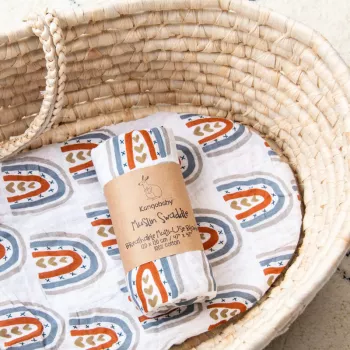
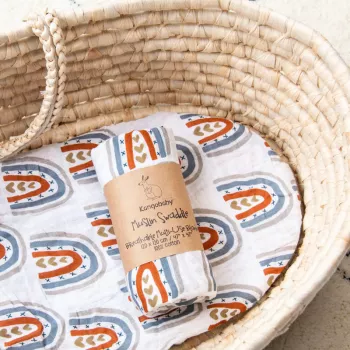
If you’re building a practical lineup of baby essentials, the Muslin Baby Swaddle Blanket is a lightweight option designed for everyday swaddling, cuddling, and on-the-go coverage. It fits naturally into routines like naps, feeds, stroller outings, and quick cleanups, and it’s a budget-friendly way to add an extra swaddle to your nursery or diaper bag rotation.
For a cozy nursery feel that pairs well with soothing bedtime routines, consider lighting that keeps the room calm and gentle—such as the Handmade Wabi Sabi Rattan Pendant Light, a warm decor pick for a soft, relaxed atmosphere.
FAQ
When should swaddling be stopped?
Stop swaddling when a baby shows signs of rolling or attempting to roll. At that point, transition to arms-free sleep options and follow safe sleep guidance from trusted medical sources.
How many muslin swaddle blankets are useful to have?
A small rotation helps with frequent washing—often 3–6 blankets depending on laundry frequency and how often they’re used for feeds, naps, and outings.
How tight should a swaddle be?
A swaddle should be snug around the upper body without compressing the chest, while allowing hips and legs to move. A common check is leaving about a two-finger space at the chest area and monitoring baby’s temperature to avoid overheating.
Recommended for you










Leave a comment