Warm Cotton Dog Coat for Cozy Winter Walks
Cold, windy days can make walks uncomfortable for many dogs—especially small breeds, seniors, short-haired pups, and dogs that spend time outdoors. A warm cotton coat helps retain body heat, reduces shivering, and makes daily outings calmer and safer. This guide covers what to look for in a winter jacket, how to size and use it properly, and how to keep it clean and comfortable all season.
When a winter coat helps most
Not every dog needs extra layers, but many do benefit once temperatures drop—particularly when wind and damp weather pull warmth away faster.
- Small dogs and toy breeds that lose heat quickly during short walks
- Short-haired and low-body-fat breeds that chill faster in wind and damp weather
- Senior dogs and dogs recovering from illness that benefit from steadier warmth
- Dogs that are reluctant to go outside in cold conditions or start shivering soon after leaving home
- Outdoor errands and travel where a dog transitions between warm cars and cold air repeatedly
For broader winter safety guidance, see recommendations from the American Veterinary Medical Association (AVMA) and the American Kennel Club (AKC).
Warmth and comfort features to look for
A good winter coat should warm your dog without turning normal movement into a struggle. Focus on comfort at the neck, shoulders, and belly—those are the spots that often cause rubbing or drafts.
- Cotton-based insulation that feels soft against the coat and holds warmth without being stiff
- A snug-but-not-tight fit around the chest and neck to block drafts while allowing full leg movement
- A higher collar or extended neck area for extra protection on windy days
- A belly panel that covers the core while leaving enough clearance for bathroom breaks
- Closures that stay secure during play (hook-and-loop or snaps) and are easy to fasten on wiggly dogs
Product snapshot
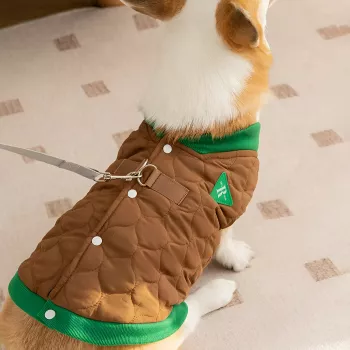
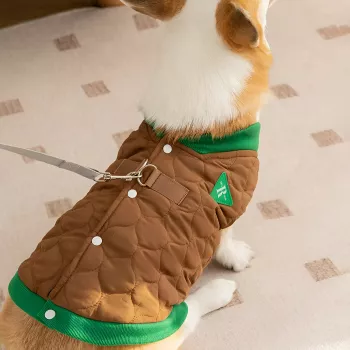
If you’re looking for an everyday cold-weather layer, the Warm Cotton Dog Coat – Cozy Winter Pet Jacket is designed for neighborhood walks, quick potty breaks, and outdoor errands. The goal is lightweight warmth that helps dogs stay comfortable without restricting movement. It can work as a standalone coat in chilly conditions or as a mid-layer under a rain shell when it’s wet outside.
Warm Cotton Dog Coat – quick details
| Item |
Details |
| Product |
Warm Cotton Dog Coat – Cozy Winter Pet Jacket |
| Price |
$17.51 |
| Availability |
In stock |
| Best for |
Cold walks, windy days, short-haired and small dogs |
| Comfort focus |
Soft warmth and easy daily wear |
| Care goal |
Keep clean, dry thoroughly, and check closures regularly |
How to measure and choose the right size
Accurate measuring prevents the two most common coat issues: drafty looseness and shoulder restriction. Use a soft measuring tape and measure your dog standing naturally.
- Measure back length from the base of the neck to the base of the tail; keep the tape level along the spine
- Measure chest girth at the widest part of the ribcage; this is usually the most important measurement for fit
- Measure neck circumference where a collar naturally sits; allow room for two fingers of ease
- If between sizes, prioritize chest fit and adjust with closures; avoid a coat that pulls at the shoulders
- After putting it on, do a quick mobility check: walking, sitting, and climbing a step should look natural
Getting the fit right: a quick comfort check
A coat can look fine while standing still and still be uncomfortable in motion. Do a quick indoor test walk before heading out into the cold.
- No rubbing at armpits: lifting and extending the front legs should not cause chafing
- No tightness at the throat: breathing and swallowing should be effortless
- Back coverage stays centered: the coat should not twist to one side during a short walk indoors
- Bathroom-friendly belly coverage: ensure enough clearance for urination, especially for male dogs
- Layering test: if layering over a sweater, check that the coat still closes without compressing the chest
Cold-weather routine tips for safer walks
Even with a warm jacket, winter conditions can change quickly—especially with wind chill, sleet, or salted sidewalks.
- Keep early walks shorter until a dog adjusts to temperature and wind
- Dry the coat and fur after snow or rain; dampness can chill the body quickly
- Protect paws from ice melt and rough sidewalks; wipe paws after walks and consider dog boots if needed
- Watch for shivering, lifting paws, slowing down, or refusing to move—signs it’s time to head inside
- Use reflective accessories or a light during darker winter mornings and evenings
Care and maintenance
Regular upkeep keeps insulation effective and helps the coat stay comfortable against your dog’s fur.
Common mistakes to avoid
You may also like
FAQ
How do you know if a dog is too cold on a walk?
Common signs include shivering, a tucked tail, lifting paws, whining, slowing down, refusing to move, or seeking to be carried. Small, short-haired, and senior dogs often show discomfort sooner—head inside and warm your dog gradually.
Should a winter dog coat be snug or loose?
A winter coat should be snug enough to block drafts but not so tight that it restricts breathing or shoulder movement. Use the two-finger rule at the neck and chest, and make sure there’s no armpit rubbing or twisting as your dog walks.
Can a dog wear a cotton winter coat in light snow?
Yes, a cotton winter coat can work for short outings in light snow, especially if your dog stays active. Dry the coat thoroughly afterward, and consider adding a waterproof outer layer in wet, heavy snow or rain.
Recommended for you










Leave a comment