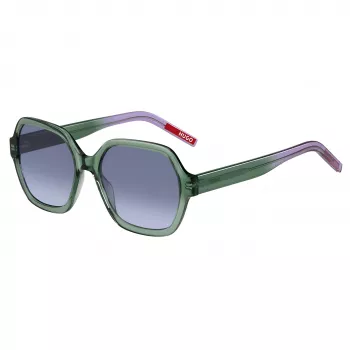
Hugo Boss Green Acetate Polarized Sunglasses: UV Coverage With Everyday Style
Bright sidewalks, windshields, and waterfront views can look amazing—until the glare makes everything feel harsh. Hugo Boss green acetate polarized sunglasses are built for those real-life conditions, pairing a modern, wearable frame color with lens tech that reduces glare and helps protect eyes from UV exposure. The overall effect is polished rather than sporty, making them an easy grab for weekday commutes, weekend drives, and outdoor downtime.
Why Polarized Lenses Feel Easier on Bright Days
Polarized lenses are engineered to cut the kind of intense, horizontal glare that bounces off water, glass, pavement, and car hoods. Instead of fighting that “white sheen” across your view, polarization filters it down—often making the scene feel calmer and more defined.
This can be especially noticeable while driving (when sun hits the road at an angle), walking in open sun, or spending time around reflective surfaces like storefront windows or lakes. A clearer view can also mean less squinting, which helps long sunny days feel less fatiguing.
One important distinction: polarization and UV protection aren’t the same feature. Polarization primarily targets glare; UV protection helps block ultraviolet radiation that can affect eyes over time. For general guidance on choosing protective sunglasses, see the American Academy of Ophthalmology’s sunglasses recommendations and the FDA overview of UV protection in sunglasses.
Polarization vs. UV Protection at a Glance
| Feature |
What it does |
Best for |
| Polarized lens filter |
Reduces horizontal glare from reflective surfaces |
Driving, water, snow, bright sidewalks |
| UV protection |
Helps block UVA/UVB reaching the eye |
Daily sun exposure, outdoor activities |
| Tint color (green) |
Influences perceived contrast and comfort |
Balanced everyday wear and versatile styling |
Frame Material: What Acetate Adds to Comfort and Look
Acetate is often chosen when a frame needs to feel elevated without looking flashy. Compared with basic plastic, acetate typically offers a richer, layered color appearance—subtle depth that reads more premium up close.
Many wearers also find acetate comfortable for longer sessions because it can feel smooth against the skin and has a solid, balanced presence on the face. It’s a common pick for fashion-forward silhouettes because it supports bolder colors while still staying wearable day to day.
Green acetate, in particular, brings personality without locking you into a “trend-only” look. It tends to play well with neutrals like black, tan, navy, gray, and denim—adding interest without competing with the rest of your outfit.
Style Notes: Making Green Sunglasses Easy to Wear
Green frames can look intentional and refined when they’re treated like a styling accent rather than the entire outfit’s “statement.” A few low-effort ways to make them feel natural:
- Build around earth tones: olive, beige, cream, and warm browns create a cohesive palette that feels grounded rather than loud.
- Keep the base simple: a white tee and dark jeans, or a black dress with minimal jewelry, lets the frame color add just enough character.
- Use them to soften structure: with business-casual pieces like blazers or trench coats, green acetate can add warmth without clashing.
- Lean into vacation textures: linen, chambray, and warm-weather knits pair naturally with green because the tone feels outdoorsy without being sporty.
When 100% UV Protection Matters Most
UV exposure isn’t limited to cloudless skies—UV levels can remain significant even on hazy days. Consistent protection supports everyday eye safety, especially if you spend time outdoors during lunch breaks, commutes, or weekend errands.
Certain environments can feel even more intense because brightness and reflection stack up: beaches, open water, snow, and light-colored concrete. In those settings, polarized lenses can help with glare comfort, while 100% UV protection helps address ultraviolet exposure.
For long drives, the combination can be especially practical: polarization reduces windshield/road glare, and UV protection adds a layer of coverage for extended time in sun. Also keep in mind that coverage and fit matter—lenses may block UV, but gaps at the sides or top can still allow stray light in.
Fit and Wearability Checks Before Buying
Great-looking sunglasses still need to feel stable and comfortable. Before committing, it helps to run through a few quick checks:
- Level fit: the frame should sit straight and not slide when you look down. Stability matters more than squeezing the head.
- Nose comfort: look for balanced contact so pressure doesn’t build on the bridge over time.
- Temple feel: arms should feel secure without pinching; discomfort often shows up after 20–30 minutes, not in the first minute.
- Lens coverage: consider lens height/width based on how much protection you want from side light, wind, and overhead sun.
Care Tips for Acetate Frames and Polarized Lenses
A little routine care helps lenses stay clear and frames keep their shape:
Product Snapshot: Hugo Boss Green Acetate Polarized Sunglasses
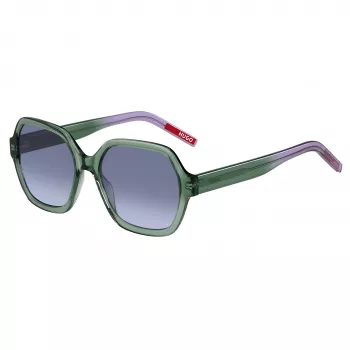
Hugo Boss Green Acetate Polarized Sunglasses – 100% UV Protection & Style
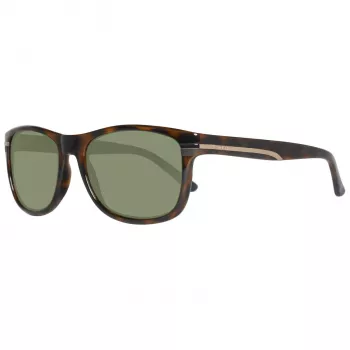
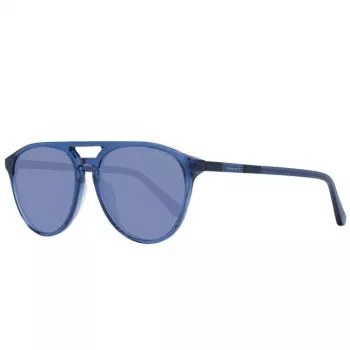
More In-Stock Picks to Round Out Your Routine
FAQ
Are polarized sunglasses the same as UV-protective sunglasses?
No. Polarization reduces glare from reflective surfaces, while UV protection helps block UVA/UVB radiation. Some sunglasses offer one without the other, so a pair that includes both features is ideal for bright, everyday wear.
Do polarized lenses affect phone or car screens?
They can. Some LCD screens may look dim, darker at certain angles, or show rainbow-like patterns with polarized lenses; if this matters for your day-to-day, it’s worth testing your most-used devices and your car display.
How should acetate sunglasses be cleaned and stored?
Rinse lenses first to remove grit, then clean with a microfiber cloth and lens-safe cleaner. Store them in a protective case and avoid leaving them in high heat (like a parked car) to help prevent warping and coating damage.
Recommended for you










Leave a comment