A well-made wooden soap dish helps bar soap dry between uses, cuts down on that slippery residue that spreads across the counter, and adds a warm, natural detail to a bathroom or kitchen. If you’ve ever picked up a soggy bar that’s stuck to the sink ledge, a better dish is one of those small changes that makes daily routines feel noticeably cleaner and easier. For more guidance, see Soap dish | American Association of Woodturners – AAW Forum.
Below is what to look for, how proper drainage works, where to place a dish for less mess, and how to care for wood so it stays fresh over time. For further reading, see Zig Zag soap dish – General Woodworking.
Why a wooden soap dish makes daily routines easier
- Encourages airflow so bars dry faster and last longer instead of softening into a gooey layer.
- Helps keep surfaces cleaner by lifting soap off the countertop, shower shelf, or sink ledge where residue tends to build.
- Adds a natural, comfortable feel that pairs well with ceramic basins, stone counters, and metal fixtures.
- A small swap away from plastic near the sink area, especially for households moving from liquid soap to bar soap.
How a soap dish should drain (and why it matters)
Drainage is the difference between a bar that stays firm and a bar that slowly melts into a puddle. Water that can’t escape turns into standing moisture, which accelerates soap breakdown, encourages scum buildup, and can leave a ring on your counter or shelf.
- Raised slats or grooves lift the bar so water can run out instead of pooling underneath.
- A slight tilt or open-bottom design helps runoff move away from the soap and toward the sink or tray area.
- Better drainage means less buildup—fewer crusty edges on the dish and fewer soggy, cracking bars.
- Placement matters: choose a spot where splashes are minimal, but runoff can still drain away.
Soap dish design and what it changes
| Design detail |
What it does |
Best for |
| Slatted base |
Maximizes airflow and reduces pooling |
Daily hand soap at the sink |
| Grooved base |
Guides water away while keeping the bar stable |
Shower shelves or humid bathrooms |
| Tray-style with lip |
Contains runoff but may hold water if not emptied |
Countertops that must stay dry |
| Feet/raised underside |
Keeps wood off wet surfaces, reducing moisture exposure |
Stone or ceramic ledges that stay damp |
Not all wooden dishes behave the same around water. The goal is a piece that encourages fast drying while staying stable and easy to maintain.
- Wood type and finish: Sealed or oil-finished wood usually handles daily splashes better than unfinished surfaces.
- Smooth edges: A refined edge looks better and is easier to wipe down without catching cloth fibers.
- Stable footprint: A wider base is less likely to skate across the counter when someone grabs the bar quickly.
- Drainage spacing: Gaps should be wide enough for water to escape, but not so wide that the soap deforms into the slots over time.
- Easy cleaning: Simple geometry (fewer tight corners) rinses clean faster and discourages buildup.
Best placement for less mess
Even the best-draining dish can struggle if it sits in constant spray or on a perpetually wet surface. A small placement adjustment often fixes the “soggy soap” problem immediately.
Care tips to keep wood looking fresh
- Rinse away buildup: A quick rinse removes soft soap residue before it dries into a stubborn layer.
- Dry periodically: Let the dish air-dry fully from time to time (especially if the room stays steamy).
- Deep clean weekly: Use mild dish soap and a soft brush; avoid harsh bleach that can damage finishes and discolor wood. For general cleaning best practices, see the CDC’s guidance on cleaning and disinfecting.
- Re-oil if needed: If the maker recommends it, a light coat of food-safe mineral oil can refresh some wooden items and help resist moisture.
- Avoid soaking: Prolonged submersion can lead to swelling, cracking, or a roughened surface in many woods.
If you prefer gentler product standards for soaps and cleaners used around sinks, the EPA Safer Choice Standard is a helpful reference point.
A simple way to extend the life of bar soap
Product option
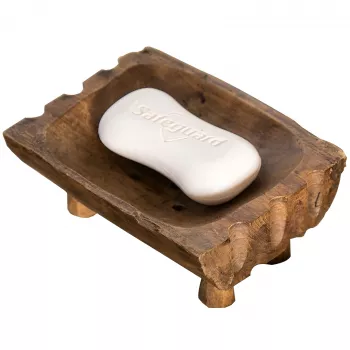
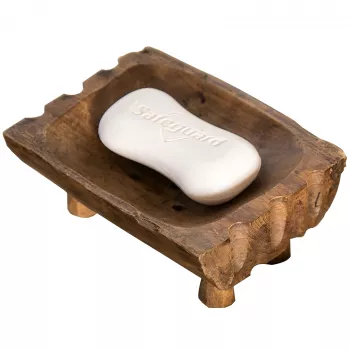
If you want a clean, minimal upgrade that keeps bar soap elevated for improved drying, consider the Natural Wooden Soap Dish. It’s an easy fit for natural-material bathrooms and kitchens—wood, stone, ceramic, and neutral palettes—and a practical add-on for anyone switching from liquid soap to bar soap.
For a tidier countertop overall, pairing a soap station with simple organization can help reduce clutter around the sink. The Hair Dryer Stand with Vertical Storage Rack is a handy option for keeping tools upright and off damp surfaces, especially in shared bathrooms.
FAQ
Do wooden soap dishes get moldy?
They can if they’re left constantly wet. Good drainage, letting the dish dry out periodically, and a quick weekly scrub with mild soap help prevent mold and musty odors.
How do you clean a wooden soap dish?
Rinse it, then scrub gently with mild dish soap and a soft brush. Avoid soaking it in water, and let it dry fully; re-oil only if the product’s care instructions recommend it.
Will a wooden soap dish work in the shower?
Yes, as long as it’s placed away from direct spray and allowed to dry between showers. In high-humidity bathrooms, more frequent rinsing and drying keeps it looking fresh.
Recommended for you









Leave a comment