Extend the Shelf Life of Your Fruits and Vegetables with a Simple Storage Routine
Fresh produce tends to spoil for a few predictable reasons: moisture buildup, ethylene exposure, poor airflow, and storing the wrong items together. A simple, room-by-room storage routine helps keep fruits and vegetables crisp longer, cuts down on food waste, and makes weekly meal planning feel far less chaotic—especially when groceries come in all at once.
Why produce spoils quickly (and what actually helps)
Moisture is usually the main culprit
Too much humidity encourages mold, slime, and soggy textures (especially in berries and greens). Too little dries out herbs, leafy greens, and cut vegetables. The goal is “controlled moisture”: enough to prevent wilting, but not so much that condensation collects.
Ethylene gas speeds ripening (and overripening)
Some fruits release ethylene, a natural ripening gas. Apples, bananas, avocados, and tomatoes are common examples. When they sit near ethylene-sensitive produce (like leafy greens, berries, and some vegetables), that neighboring produce can yellow, soften, or spoil faster.
Temperature zones matter more than most people think
Many fruits taste best when they ripen at room temperature, then last longer once refrigerated. Meanwhile, a few vegetables lose quality when stored too cold. Getting the “ripen first vs. refrigerate now” decision right prevents that frustrating cycle of under-ripe fruit and limp greens.
Airflow and bruising are silent shelf-life killers
Overstuffed drawers and tightly sealed bags trap moisture and increase pressure damage. Bruises turn into soft spots; soft spots turn into mold. Giving produce breathing room (and a gentler container) often buys extra days.
Quick wins you can do today
- Separate ethylene producers (apples, bananas, avocados, tomatoes) from sensitive items (greens, berries).
- Use breathable storage where moisture builds easily (berries and greens).
- Line crisper drawers or containers with a paper towel to absorb condensation.
- Rotate older produce to the front so it gets used first.
A practical storage map: counter, pantry, fridge, freezer
Counter: a ripening zone (not a long-term holding area)
Keep bananas, avocados, stone fruit, and other “ripen first” items out of direct sunlight and away from heat sources like the stove. Once ripe, move them into the fridge if you won’t use them within a day or two.
Pantry: cool, dark, and ventilated
Onions, garlic, and potatoes do best in a cool, dark spot with airflow—think baskets, mesh bins, or open paper bags. Store potatoes away from onions to slow sprouting and reduce spoilage.
Fridge (crisper drawers): match the humidity setting
Use the high-humidity drawer for leafy greens and herbs (they wilt when air is too dry). Use the low-humidity drawer for produce that prefers drier air or emits ethylene. If your fridge has only one crisper, rely on containers and paper towels to “create” micro-zones.
Door vs. shelves: stability beats convenience
Fridge doors experience more temperature fluctuations. Skip storing delicate produce in the door; place berries and greens on a stable shelf or in the crisper where temperature is more consistent. For food safety basics and refrigerator best practices, the FDA’s refrigerator and food safety guidance is a helpful reference.
Freezer: your “save it before it’s gone” backup plan
Freeze extras before they turn. Berries, sliced bananas, chopped peppers, and blanched vegetables turn into quick smoothie, stir-fry, and soup additions. If you want a quick reality check on typical storage times, the USDA FoodKeeper App is a reliable resource.
Quick-reference checklist for common fruits and vegetables
| Produce |
Best place |
Key tip |
| Berries |
Fridge |
Keep dry; rinse only before eating to reduce moisture-related mold. |
| Leafy greens |
Fridge (high humidity) |
Store with a paper towel to absorb condensation; avoid crushing. |
| Apples |
Fridge |
Keep away from leafy greens; ethylene can speed yellowing and wilting. |
| Bananas |
Counter |
Separate from other fruit to slow ripening; refrigerate when ripe if needed. |
| Tomatoes |
Counter (then fridge if overripe) |
Counter for flavor; chill only to prevent overripening, then bring to room temp before eating. |
| Potatoes |
Pantry |
Cool, dark, ventilated; keep away from onions. |
| Onions/garlic |
Pantry |
Dry, ventilated storage; avoid sealing in plastic bags. |
| Herbs (tender) |
Fridge |
Treat like flowers: trim stems and store in a jar with a loose cover, or wrap gently in damp towel. |
| Carrots/celery |
Fridge |
Seal to prevent dehydration; refresh limp items in cold water briefly. |
| Avocados |
Counter (then fridge) |
Refrigerate once ripe to buy a few extra days. |
Containers, wraps, and drawer setup that make storage easier
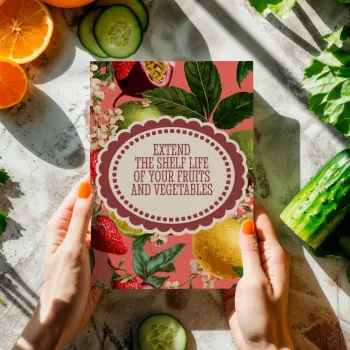
If you want an easy way to make the routine consistent for everyone in the household, the Extend the Shelf Life of Your Fruits and Vegetables | Printable Food Storage Checklist (Digital Download) can serve as a simple sorting guide during grocery put-away.
A weekly routine that reduces waste without extra effort
Good lighting helps you actually see what needs to be used first—especially around a prep counter or pantry corner. If you’re refreshing a kitchen nook to make routines easier to stick to, the Handmade Wabi Sabi Rattan Pendant Light is a warm, natural-looking option for a more functional prep space.
Printable checklist: an easy way to stay consistent
FAQ
Should fruits and vegetables be stored together?
It depends on the items: ethylene-producing fruits (like apples and bananas) can speed ripening and spoilage in ethylene-sensitive produce (like leafy greens and berries). Store ethylene producers away from sensitive items to slow down wilting and mold.
Is it better to wash produce before storing?
For most produce, washing right before eating is best because extra moisture can encourage mold and sliminess. If you wash ahead (common for meal prep), dry thoroughly and store in clean, dry containers with a paper towel to manage condensation.
How can berries last longer in the fridge?
Keep berries dry, avoid overcrowding, and line the container with a paper towel to absorb moisture. Check them often and remove any damaged or moldy berries immediately so one bad berry doesn’t spoil the rest.
Recommended for you












Leave a comment