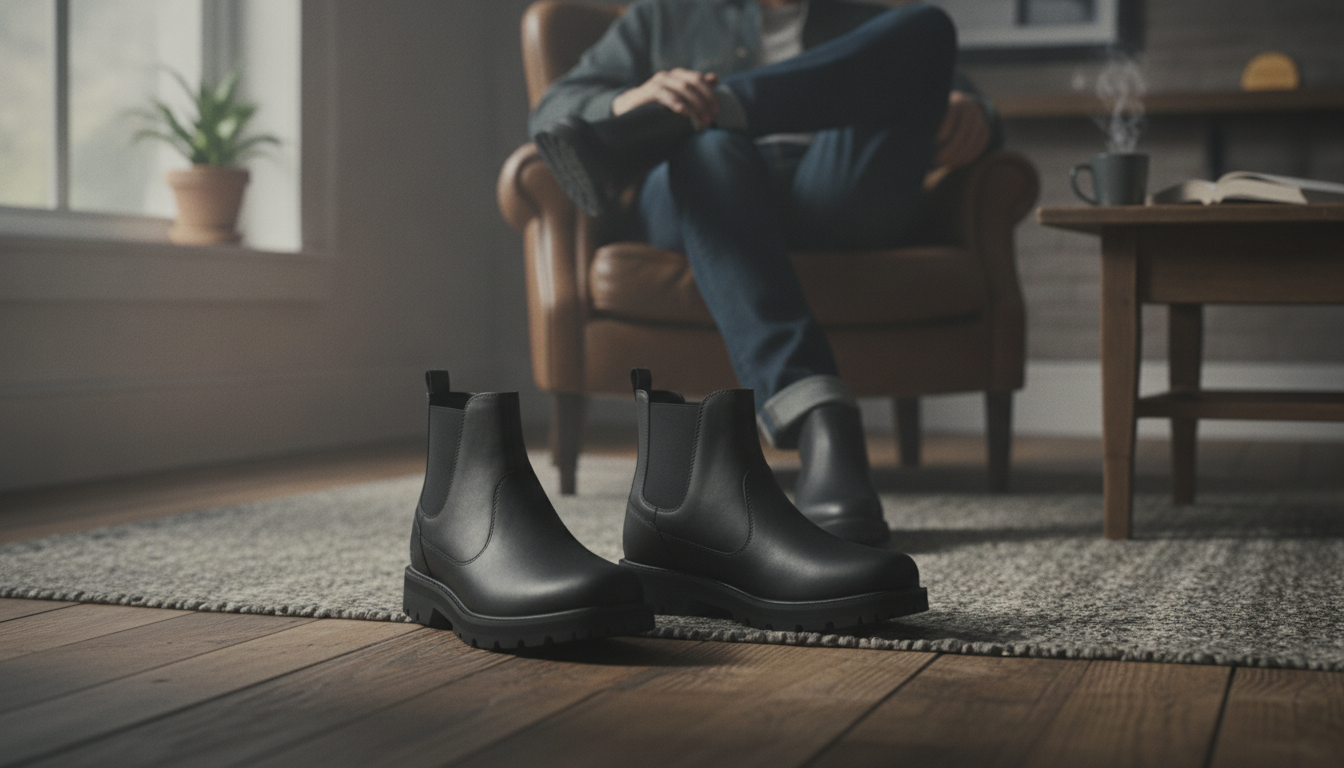
Leather boots are a go-to for men who want a balance of rugged durability, comfort, and timeless looks. Timberland-style leather boots are especially known for dependable construction, cold-weather versatility, and outfits that work from casual weekends to work-ready days. Below is a practical breakdown of what to look for, how they tend to fit, and how to keep leather boots looking sharp season after season.
Why Leather Boots Earn a Spot in the Rotation
- Reliable wear across seasons: Leather uppers handle daily scuffs better than many textiles and can be conditioned back to a clean finish.
- Versatile styling: Easy to pair with denim, chinos, workwear, and layered cold-weather outfits.
- Support and protection: Higher ankles, thicker soles, and structured uppers can feel more stable than low-top shoes for long days on foot.
- Longer usable life: Many leather boots can be cleaned, conditioned, and re-laced to extend their lifespan.
What to Expect from Timberland-Style Men’s Leather Boots
- Leather upper: Look for a full-grain or premium leather feel—firmer at first, then it breaks in and starts to match the shape of your foot.
- Collar and tongue comfort: Padded collars help reduce rubbing at the ankle; a gusseted tongue can help keep out dust and light moisture.
- Outsole traction: Lug patterns are designed to grip wet sidewalks, light snow, and uneven ground; deeper lugs typically track better outdoors.
- Laces and hardware: Metal eyelets/hooks make tightening easier and often last longer than fabric loops.
- Everyday weight: Sturdy boots can feel heavier than sneakers; cushioning and a supportive insole matter more for all-day wear.
Quick checklist for shopping leather boots
| Feature |
What to look for |
Why it matters |
| Leather quality |
Smooth, even grain; minimal cracking; firm structure |
Better break-in and longer wear |
| Sole traction |
Defined lugs with stable heel base |
More confidence on wet or uneven surfaces |
| Collar comfort |
Padding and smooth lining at the ankle |
Less rubbing during long walks |
| Fit feel |
Snug heel, roomy toe box, stable midfoot |
Reduces blisters and improves comfort |
| Care readiness |
Compatible with leather conditioner and protector |
Maintains appearance and water resistance |
Fit and Sizing: Getting the Right Feel from Day One
- Toe room: Toes should wiggle freely. Leather will soften, but length rarely changes much.
- Heel security: Your heel should feel locked-in with minimal lift; too much lift is a fast track to blisters.
- Midfoot support: Laces should tighten without sharp pressure points. Avoid a pinched or “crushed” arch feeling.
- Sock strategy: Try boots with the socks you’ll actually wear (medium crew or boot socks) to avoid a surprise-tight fit later.
- Break-in expectations: Leather uppers may feel stiff at first; shorter wear sessions help the leather flex naturally.
Comfort and Support for Daily Wear
- Cushioning: A supportive insole and shock-absorbing midsole make a noticeable difference on concrete, stairs, and long commutes.
- Ankle stability: Higher shafts can feel steadier on uneven ground—especially if you’re carrying a backpack or walking quickly in rough weather.
- Breathability: Leather can breathe, but warm-weather comfort improves with moisture-wicking socks and giving boots time to air out between wears.
- Lacing technique: Using top hooks correctly helps prevent heel slip; skipping a hook can reduce pressure on sensitive ankles without sacrificing overall support.
Weather Performance and Durability
- Water resistance: Some leather boots come treated, while others benefit from a leather protector to repel rain and slush.
- Cold-weather readiness: Thicker leather and sturdy soles help insulate from cold ground; wool-blend socks add warmth without feeling bulky.
- Scuffs and scratches: Light marks often buff out with conditioner; deeper gouges may need a targeted leather balm.
- Sole longevity: Lug soles can wear faster with constant pavement use. Rotating footwear (even just swapping to a sneaker occasionally) helps extend overall life.
For brand-specific tips on cleaning and protection, see Timberland’s boot care & cleaning guidance. For general leather preservation basics, the Smithsonian Museum Conservation Institute’s leather care overview is a helpful reference.
Styling Ideas: Classic Looks that Work Anywhere
Care and Maintenance: Keeping Leather Looking Better Over Time
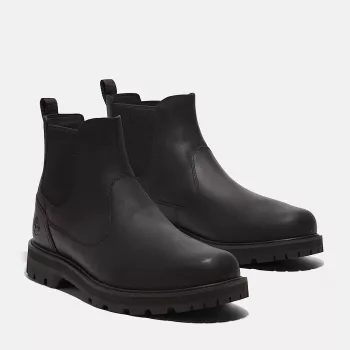
Timberland Men’s Leather Boots are a solid option for everyday wear when you want a classic leather boot look with the durability benefits leather typically provides. They work well as a one-pair solution for casual outfits, commuting, and cooler-weather days—especially when paired with quality boot socks and a simple routine (brush + conditioner + protector) to help the leather age well.
Product snapshot
More In-Stock Finds
FAQ
How do leather boots usually fit compared with sneakers?
Leather boots often feel snugger through the midfoot and stiffer at first than sneakers. Try them on with your usual boot socks, make sure you have comfortable toe room, and prioritize a secure heel fit to help prevent blisters.
How can leather boots be made more water-resistant?
Start by cleaning and drying the boots, then apply a leather-appropriate protector designed for footwear. Waterproof performance varies by materials and construction, and most protectors need reapplication after heavy rain, slush, or frequent wear.
What’s the best way to break in leather boots without discomfort?
Wear them in short sessions at first and adjust lacing to relieve any hot spots while keeping the heel secure. Thicker socks can help, and light conditioning (when appropriate for the leather) can support a smoother break-in without soaking the material.
Recommended for you








Leave a comment