What is the 50/30/20 rule for saving money?
The 50/30/20 rule is a simple budgeting framework that helps you split your after-tax income into three clear buckets: needs, wants, and savings (or debt payoff). It’s popular because it’s easy to remember and flexible enough to fit many lifestyles without requiring complicated spreadsheets.
How the 50/30/20 rule works
50% for needs
About half of your take-home pay goes to essentials you must cover to live and work. Typical “needs” include rent or mortgage, basic groceries, utilities, minimum debt payments, insurance, and transportation required to earn income.
30% for wants
Roughly 30% is for non-essentials that make life enjoyable. This can include dining out, streaming subscriptions, hobbies, travel, upgraded phone plans, and shopping that isn’t strictly necessary. If money feels tight, this category is usually the easiest place to trim without risking missed bills.
20% for savings and debt repayment
The final 20% goes toward building financial stability. That can mean adding to an emergency fund, contributing to retirement accounts, saving for a big purchase, or paying down high-interest debt faster than the minimum. If you’re tackling credit cards, allocating more here can reduce interest costs and speed up progress.
Example breakdown
If your monthly take-home pay is $4,000, you’d aim for about $2,000 for needs, $1,200 for wants, and $800 for savings/debt. The goal isn’t perfection—it’s a helpful target that makes trade-offs visible.
Making it fit real life
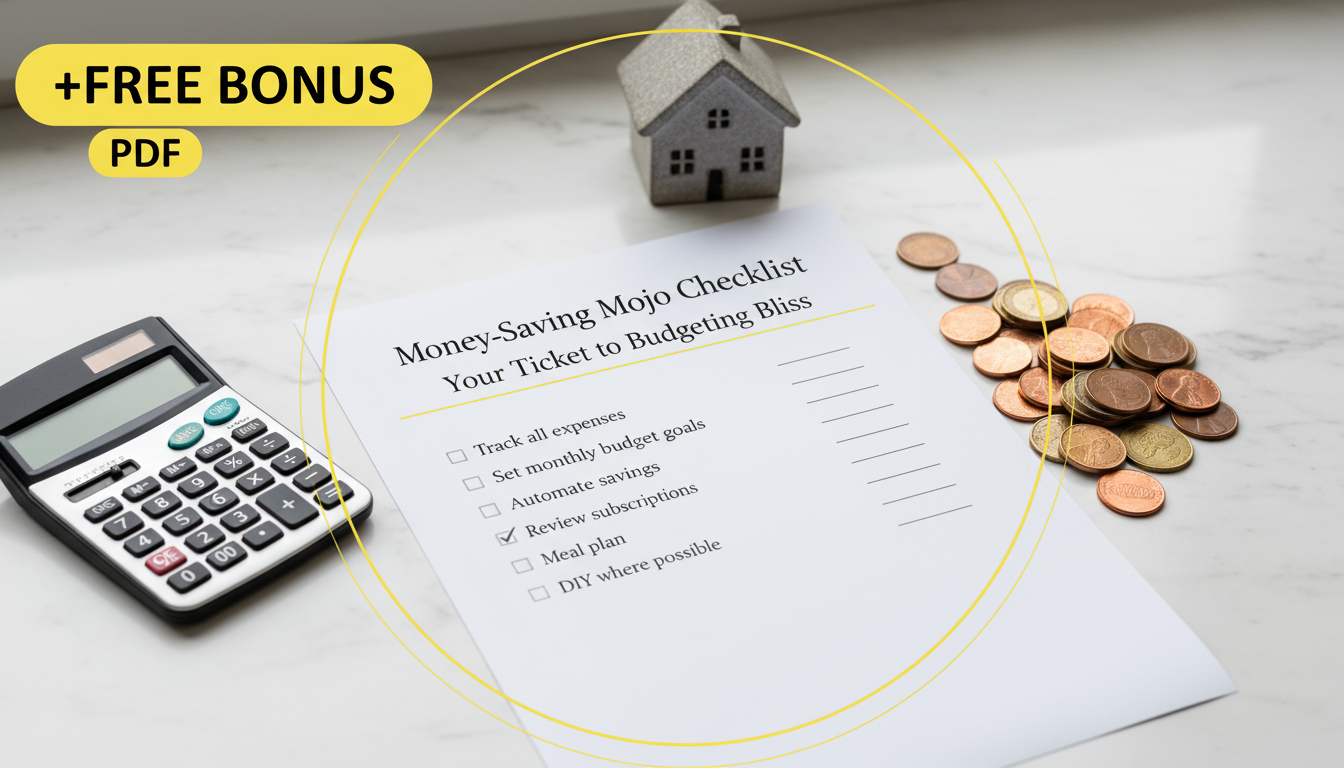
Some budgets can’t hit these exact percentages, especially in high-cost areas. If needs exceed 50%, focus on practical adjustments: renegotiate recurring bills, shop insurance rates, plan meals, or consider a temporary “70/20/10” style split while you work toward a healthier balance. For a step-by-step routine and more money-saving ideas, see this budgeting and money-saving checklist.
FAQ
What counts as “needs” vs. “wants” in a budget?
Needs are expenses required to maintain basic living and income (housing, utilities, essential food, insurance). Wants are optional upgrades or discretionary spending like entertainment, eating out, and non-essential shopping.
Recommended for you











Leave a comment